Charleston, South Carolina, December 27, 2025
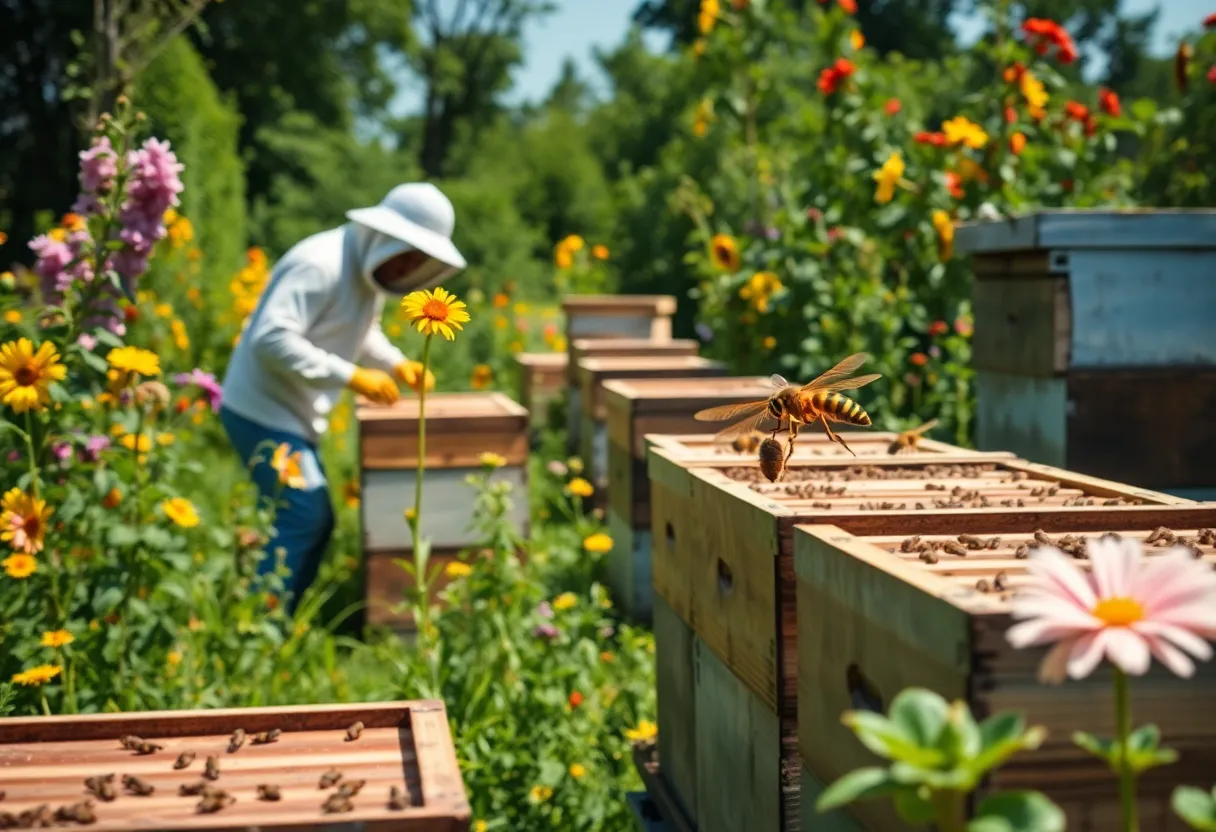
Beekeepers in Charleston, South Carolina, are facing significant challenges threatening honeybee populations, including invasive yellow-legged hornets, pesticide exposure, and Colony Collapse Disorder (CCD). Recent sightings of hornets and the dangers of pesticide application are alarming local beekeepers, prompting them to take action to protect hives. As CCD continues to impact bee colonies nationwide, strategic collaboration is deemed essential for the health and sustainability of these crucial pollinators.
Charleston Beekeepers Combat Growing Threats to Honeybees
Charleston, South Carolina – Beekeepers in Charleston are grappling with several pressing challenges that pose a significant threat to the health and sustainability of honeybee populations. These issues include the detection of the invasive yellow-legged hornets, risks from pesticide exposure, and the persistent menace of Colony Collapse Disorder (CCD).
Invasive Yellow-Legged Hornets Detected
In December 2025, invasive yellow-legged hornets were documented in York County, marking the first known sighting of this species in the region. Originating from Asia, these hornets are predatory insects that pose a serious threat to honeybees, previously wreaking havoc on hives in other locations. The arrival of these hornets in South Carolina is alarming for local beekeeping efforts, and beekeepers are encouraged to remain vigilant, reporting any sightings to local authorities.
Pesticide Exposure Risks
Another critical concern among Charleston beekeepers is the threat posed by pesticide applications, particularly those aimed at mosquito control. Previous pesticide spraying events, such as the aerial applications for Zika mosquitoes in 2016, resulted in significant bee fatalities, with millions of bees lost due to pesticide exposure. While current practices are evolving to minimize such risks, beekeepers are urged to stay informed about impending pesticide applications through local media and government updates, allowing them to take necessary precautions.
Threat of Colony Collapse Disorder (CCD)
At a nationwide level, beekeepers have been reporting alarming losses attributed to CCD, with commercial operations suffering an average colony loss of 62% between June 2024 and March 2025. CCD is characterized by the sudden disappearance of worker bees, which leads to the collapse of entire colonies, posing a grave danger to honeybee populations and, consequently, to the pollination services essential for agriculture. Beekeepers are called upon to adopt best management practices and remain abreast of the latest research to better counter the effects of CCD.
Understanding Honeybee Challenges
Honeybees are pivotal in pollinating crops and ensuring biodiversity; however, they are confronted with numerous challenges, including pesticide exposure, diseases, and adverse environmental conditions. The introduction of invasive species, like the yellow-legged hornet, further complicates these challenges. A collaborative effort among beekeepers, scientists, and policymakers is essential in addressing these issues and ensuring honeybee populations remain healthy and productive.
Frequently Asked Questions (FAQ)
What are yellow-legged hornets, and why are they a threat to honeybees?
Yellow-legged hornets are invasive insects native to Asia that prey on honeybees. Their presence in South Carolina poses a significant threat to local beekeeping operations. Beekeepers are urged to remain vigilant and report any sightings to local authorities.
How can beekeepers protect their hives from pesticide exposure?
Beekeepers are advised to monitor local media and government announcements to stay informed about upcoming pesticide applications. This awareness allows them to take necessary precautions, such as relocating hives or covering them during spraying events.
What is Colony Collapse Disorder (CCD), and how does it affect honeybees?
Colony Collapse Disorder is a phenomenon where worker bees suddenly disappear from a hive, leading to the collapse of the colony. This disorder poses a severe threat to honeybee populations and, by extension, to pollination services vital for agriculture. Beekeepers are encouraged to implement best management practices and stay informed about the latest research to mitigate the impact of CCD.
Key Features of the Challenges Facing Charleston Beekeepers
| Challenge | Description | Impact | Recommended Action |
|---|---|---|---|
| Invasive Yellow-Legged Hornets | Invasive hornets preying on honeybees in York County. | Threatens local beekeeping operations. | Beekeepers should report sightings to local authorities. |
| Pesticide Exposure | Risks associated with pesticide applications targeting mosquito control. | Potential mass mortality of bees due to pesticide exposure. | Beekeepers should monitor local media and government announcements to stay informed about upcoming pesticide applications. |
| Colony Collapse Disorder (CCD) | Sudden disappearance of worker bees leading to hive collapse. | Severe threat to honeybee populations and pollination services. | Beekeepers are encouraged to implement best management practices and stay informed about the latest research to mitigate the impact of CCD. |
Deeper Dive: News & Info About This Topic
HERE Resources

Author: STAFF HERE ROCK HILL
The ROCK HILL STAFF WRITER represents the experienced team at HERERockHill.com, your go-to source for actionable local news and information in Rock Hill, York County, and beyond. Specializing in "news you can use," we cover essential topics like product reviews for personal and business needs, local business directories, politics, real estate trends, neighborhood insights, and state news affecting the area—with deep expertise drawn from years of dedicated reporting and strong community input, including local press releases and business updates. We deliver top reporting on high-value events such as the Come-See-Me Festival, Rock Hill Arts Festival, and motorsport events at the Rock Hill Velodrome. Our coverage extends to key organizations like the Rock Hill Chamber of Commerce and the Culture & Heritage Museums, plus leading businesses in manufacturing and technology that power the local economy such as 3D Systems and Comporium. As part of the broader HERE network, including HEREAiken.com, HEREBeaufort.com, HEREChapin.com, HERECharleston.com, HEREClinton.com, HEREColumbia.com, HEREGeorgetown.com, HEREGreenwood.com, HEREGreenville.com, HEREHiltonHead.com, HEREIrmo.com, HEREMyrtleBeach.com, HERENewberry.com, HERERockHill.com, and HERESpartanburg.com, we provide comprehensive, credible insights into South Carolina's dynamic landscape.