Rock Hill, SC, December 28, 2025
The Supreme Court of India has adopted a new definition for the Aravalli hills, classifying them as landforms at least 100 meters above surrounding terrain. This move has ignited debates concerning environmental protection and economic opportunities, with concerns raised about potential ecological degradation and increased mining activities in previously protected areas. Local business owners in Rock Hill find parallels in navigating regulations while ensuring sustainability.
Indian Supreme Court’s New Definition of Aravalli Hills Sparks Controversy
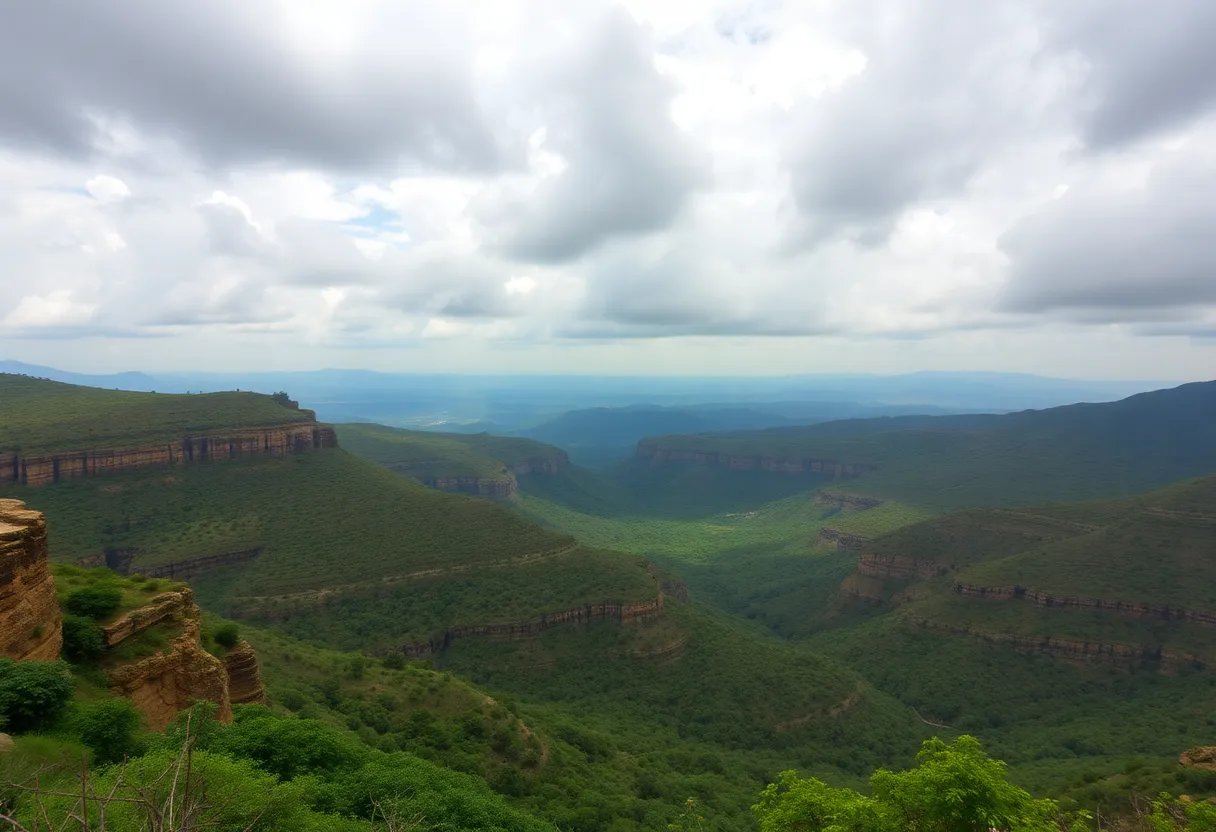
Rock Hill, SC, December 28, 2025 — The recent decision by the Supreme Court of India to adopt the Ministry of Environment, Forest and Climate Change’s (MoEF&CC) proposal defining the Aravalli hills has opened a significant chapter in the environmental and political landscape of the country. This definition classifies the Aravalli hills as landforms that are at least 100 meters above surrounding terrain, stirring debates that resonate far beyond geographical borders.
Local entrepreneurs and business owners in South Carolina can draw parallels from this situation, where regulatory definitions can impact business operations significantly. A balanced approach to environmental protection and economic opportunity could foster a vibrant entrepreneurial spirit, avoiding excessive red tape while ensuring sustainability.
Key Details of the Aravalli Hills Definition
- Definition Change: The new 100-meter benchmark redefines the Aravalli hills, potentially excluding many lower elevation areas from protection.
- Opposition: The Central Empowered Committee (CEC), established by the Supreme Court to oversee environmental matters, and the Forest Survey of India (FSI) have opposed this definition. They argue that it could fragment the Aravalli range and open up vast areas to mining activities.
- Environmental Concerns: Critics warn that the new definition may lead to ecological degradation, including the eastward spread of the Thar Desert, as it could allow mining in areas previously protected under the broader FSI definition.
- Government’s Stance: The MoEF&CC maintains that the 100-meter definition will better regulate mining activities and protect the entire ecological unit of the Aravalli hills.
Background Context of the Aravalli Hills
The Aravalli hills are among India’s oldest mountain ranges, extending across Delhi, Haryana, Rajasthan, and Gujarat. They play a vital role in maintaining ecological balance, contributing to groundwater recharge and regulating air quality. Previously, the FSI mapped the Aravallis based on a combination of elevation and slope, which encompassed lower hills and hillocks critical for environmental stability. The Supreme Court had tasked the MoEF&CC with creating a uniform definition to safeguard the Aravalli hills from mining activities, yet the acceptance of the ministry’s 100-meter definition has raised concerns about potential ecological impacts.
The Central Empowered Committee’s Concerns
The CEC and FSI’s opposition stems from their belief that this new definition may result in significant fragmentation of the Aravalli range, leading to increased vulnerability to mining threats. Their argument underlines a necessary caution regarding the environmental implications of redefining protected land, an issue that resonates with the ideals of preserving natural resources in your own community.
Potential Environmental Impact
Critics express strong concerns about possible ecological degradation stemming from the revised definition. They argue that allowing mining in previously protected areas could accelerate the degradation of ecosystems, potentially contributing to the encroachment of the Thar Desert. This caution reflects a crucial balance needed in safeguarding both environmental and economic interests, relevant to local communities striving for sustainable development.
Government Support for the New Definition
The MoEF&CC defends its stance by asserting that the 100-meter threshold will enhance the regulation of mining activities, ultimately aiming to protect the entire ecological unit of the Aravalli hills. This viewpoint emphasizes a governmental focus on structured regulation while promoting investment opportunities that could invigorate local economies.
Conclusion
The ongoing debate surrounding the new definition of the Aravalli hills serves as a reminder of the challenges and responsibilities that come with environmental stewardship and economic growth. Balancing these interests is critical to fostering a thriving ecosystem, as well as helping local economies prosper. Residents of Rock Hill are encouraged to engage in discussions about local development and conservation, supporting efforts that advocate for sustainable practices while promoting business innovation.
Frequently Asked Questions (FAQ)
What is the new 100-meter definition of the Aravalli hills?
The Supreme Court has accepted the Ministry of Environment, Forest and Climate Change’s (MoEF&CC) proposal to define the Aravalli hills as landforms rising at least 100 meters above the surrounding terrain. This definition aims to regulate mining activities and protect the entire ecological unit of the Aravalli hills.
Why did the Central Empowered Committee (CEC) oppose this definition?
The CEC, established by the Supreme Court to oversee environmental matters, and the Forest Survey of India (FSI) have opposed this definition. They argue that it could fragment the Aravalli range and open up vast areas to mining activities, potentially leading to ecological degradation.
What are the environmental concerns associated with the new definition?
Critics warn that the new definition may lead to ecological degradation, including the eastward spread of the Thar Desert, as it could allow mining in areas previously protected under the broader FSI definition.
What is the government’s stance on the new definition?
The MoEF&CC maintains that the 100-meter definition will better regulate mining activities and protect the entire ecological unit of the Aravalli hills.
Key Features of the Aravalli Hills Definition Debate
| Aspect | Details |
|---|---|
| New Definition | Landforms rising at least 100 meters above the surrounding terrain are classified as Aravalli hills. |
| Opposition | The CEC and FSI argue that this definition could fragment the Aravalli range and expose more areas to mining. |
| Environmental Concerns | Potential ecological degradation, including the eastward spread of the Thar Desert, due to mining in previously protected areas. |
| Government’s Position | The MoEF&CC asserts that the 100-meter definition will enhance regulation of mining activities and safeguard the entire Aravalli ecosystem. |
Deeper Dive: News & Info About This Topic
HERE Resources

Author: STAFF HERE ROCK HILL
The ROCK HILL STAFF WRITER represents the experienced team at HERERockHill.com, your go-to source for actionable local news and information in Rock Hill, York County, and beyond. Specializing in "news you can use," we cover essential topics like product reviews for personal and business needs, local business directories, politics, real estate trends, neighborhood insights, and state news affecting the area—with deep expertise drawn from years of dedicated reporting and strong community input, including local press releases and business updates. We deliver top reporting on high-value events such as the Come-See-Me Festival, Rock Hill Arts Festival, and motorsport events at the Rock Hill Velodrome. Our coverage extends to key organizations like the Rock Hill Chamber of Commerce and the Culture & Heritage Museums, plus leading businesses in manufacturing and technology that power the local economy such as 3D Systems and Comporium. As part of the broader HERE network, including HEREAiken.com, HEREBeaufort.com, HEREChapin.com, HERECharleston.com, HEREClinton.com, HEREColumbia.com, HEREGeorgetown.com, HEREGreenwood.com, HEREGreenville.com, HEREHiltonHead.com, HEREIrmo.com, HEREMyrtleBeach.com, HERENewberry.com, HERERockHill.com, and HERESpartanburg.com, we provide comprehensive, credible insights into South Carolina's dynamic landscape.