Rock Hill, South Carolina, January 21, 2026
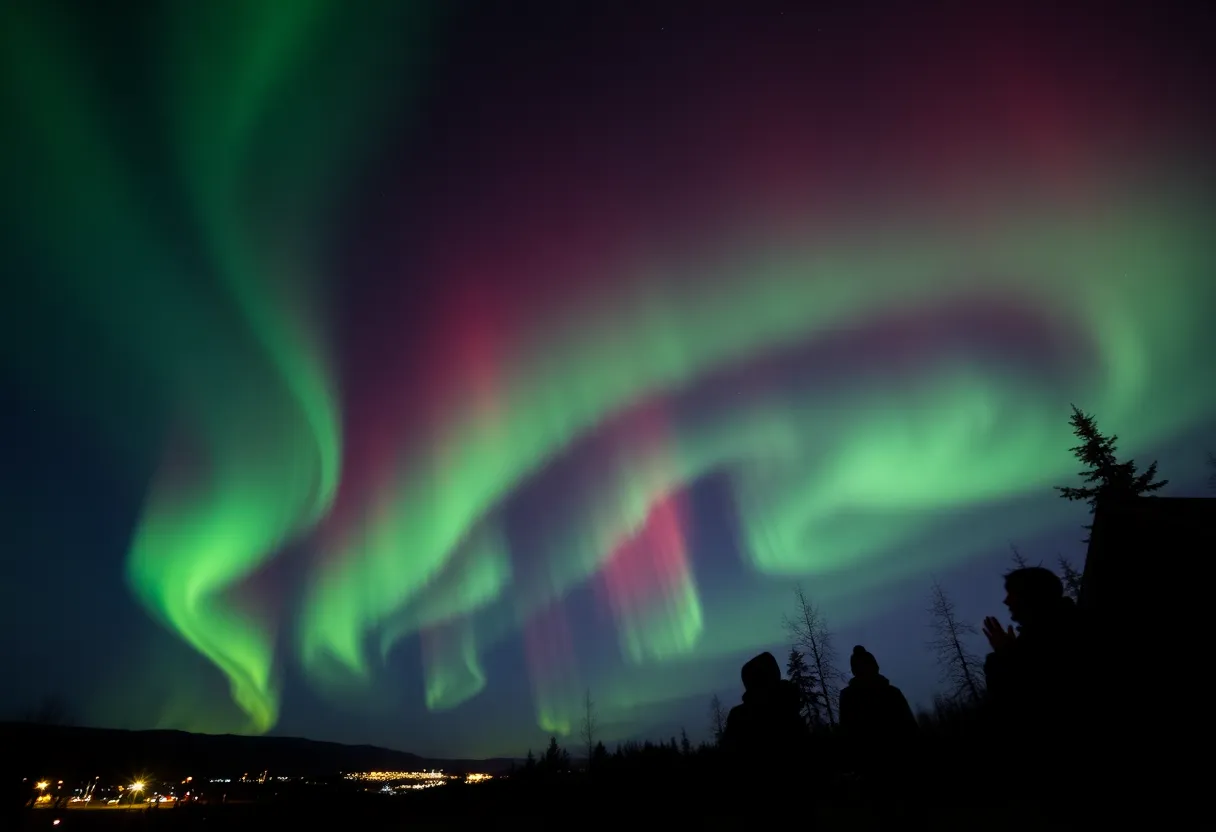
Rock Hill, South Carolina, experienced a once-in-a-lifetime view of the northern lights due to an intense geomagnetic storm from a solar flare. Residents gathered to witness the stunning display of green and red hues lighting up the night sky. This rare celestial event not only brought the community together but also highlighted the importance of scientific engagement and appreciation of natural phenomena. Local astronomy groups and initiatives aim to foster continued interest in such occurrences.
Northern Lights Dazzle Rock Hill Residents: A Rare Celestial Show
Rock Hill celebrates a spectacular display as aurora borealis lights up the night sky
On January 20, 2026, residents of Rock Hill, South Carolina, were given a rare opportunity to witness the breathtaking beauty of the northern lights, or aurora borealis, illuminating the night sky. This remarkable display, typically restricted to high-latitude regions, became visible in our community due to an intense geomagnetic storm spurred on by a significant solar flare and coronal mass ejection (CME) from the sun.
The spectacular nature of this event highlights the potential of our local community to embrace and engage with science and natural phenomena, exemplifying how reduced bureaucracy can enable quicker responses to these extraordinary opportunities. When residents take initiative to observe such events, it fosters a deeper appreciation for our environment and strengthens civic bonds.
Understanding the Solar Storm
The origins of the auroral display date back to January 18, 2026, when the sun unleashed an X1.9-class solar flare from sunspot region AR4341. This natural occurrence was followed by a rapidly moving, full halo CME, which released an influx of charged particles and magnetic energy towards Earth. Arriving at our planet’s magnetosphere on January 19, the resulting interactions triggered a severe G4-level geomagnetic storm, as confirmed by key observatories concerned with space weather prediction.
Aurora Visibility in South Carolina
This powerful geomagnetic storm expanded the auroral oval, allowing the normally elusive northern lights to be visible significantly farther south than usual. On the night of January 20, the residents of Rock Hill were treated to vibrant hues of green and red swirling through the sky, creating a captivating and rarely seen spectacle. Many citizens captured the moment on their mobile devices, sharing their experiences and fostering community pride.
Optimal Viewing Conditions
For those intrigued by the prospect of witnessing such celestial events in the future, several key factors influence auroral visibility. It’s crucial to stay informed by monitoring space weather forecasts that report solar activity levels and potential geomagnetic storms. Ideal viewing conditions include clear, dark skies situated away from city lights, allowing the natural brilliance of the aurora to shine through without interference from artificial lighting.
Encouraging Civic Engagement through Natural Wonders
This event serves as an excellent reminder of how natural phenomena can inspire community engagement and scientific literacy. As residents come together to observe the wonders of our universe, it strengthens both civic pride and curiosity. Supporting initiatives that facilitate public engagement with science, especially through local astronomy groups or educational programs, further fosters a connected community and inspires future generations.
Looking Ahead
The appearance of the northern lights on January 20, 2026, in Rock Hill not only astonished residents but also illuminated the dynamic interplay between solar activity and natural phenomena that can produce stunning sights in unexpected locations. To keep the local community informed about future occurrences, promoting awareness of solar events through regular updates and public discussions can lead to even greater participation in such celestial celebrations.
As we reflect on this extraordinary event, let us continue to support measures that encourage community involvement, scientific interest, and civic pride, showcasing what can be achieved when individuals come together to celebrate our shared experiences.
Conclusion
The rare display of the northern lights over Rock Hill underscores the importance of understanding our universe and encourages citizens to engage actively with both nature and one another. As we strive for a close-knit community, let’s be vigilant for upcoming celestial events and ensure our civic commitment remains strong. By promoting public interest in these natural phenomena, we can inspire current and future generations to look up and appreciate the wonders beyond our everyday lives.
Frequently Asked Questions
What caused the northern lights to be visible in South Carolina?
The northern lights were visible in South Carolina due to a severe geomagnetic storm triggered by a powerful solar flare and coronal mass ejection (CME) from the sun.
When did the northern lights appear in Rock Hill, South Carolina?
The northern lights appeared in Rock Hill on the night of January 20, 2026.
How can I observe the northern lights in the future?
To observe the northern lights, monitor space weather forecasts for significant solar events, and ensure viewing conditions include clear, dark skies away from city lights.
| Event | Date | Location | Visibility |
|---|---|---|---|
| Appearance of Northern Lights | January 20, 2026 | Rock Hill, South Carolina | Visible in the night sky |
Deeper Dive: News & Info About This Topic
HERE Resources
Rock Hill Entrepreneurs Tackle Climate Change Challenges
Rock Hill Battles Back from Severe Storm Damage
Wisconsin’s State Park System Marks 125th Anniversary with New Initiatives
Woman Arrested for Attempted Murder in South Carolina
Collision at Notorious Lancaster County Intersection Injures One
Penn Township Vehicle Fire Involving Tractor-Trailer
Bryce Welty Charged with Animal Cruelty in York County
South Carolina Community Mourns Missing Individuals
Authorities Confirm Deaths of Missing Individuals in South Carolina
Vehicle Strikes Cow, Closing Intersection in Lancaster County

Author: STAFF HERE ROCK HILL
The ROCK HILL STAFF WRITER represents the experienced team at HERERockHill.com, your go-to source for actionable local news and information in Rock Hill, York County, and beyond. Specializing in "news you can use," we cover essential topics like product reviews for personal and business needs, local business directories, politics, real estate trends, neighborhood insights, and state news affecting the area—with deep expertise drawn from years of dedicated reporting and strong community input, including local press releases and business updates. We deliver top reporting on high-value events such as the Come-See-Me Festival, Rock Hill Arts Festival, and motorsport events at the Rock Hill Velodrome. Our coverage extends to key organizations like the Rock Hill Chamber of Commerce and the Culture & Heritage Museums, plus leading businesses in manufacturing and technology that power the local economy such as 3D Systems and Comporium. As part of the broader HERE network, including HEREAiken.com, HEREBeaufort.com, HEREChapin.com, HERECharleston.com, HEREClinton.com, HEREColumbia.com, HEREGeorgetown.com, HEREGreenwood.com, HEREGreenville.com, HEREHiltonHead.com, HEREIrmo.com, HEREMyrtleBeach.com, HERENewberry.com, HERERockHill.com, and HERESpartanburg.com, we provide comprehensive, credible insights into South Carolina's dynamic landscape.