Myrtle Beach, South Carolina, November 27, 2025
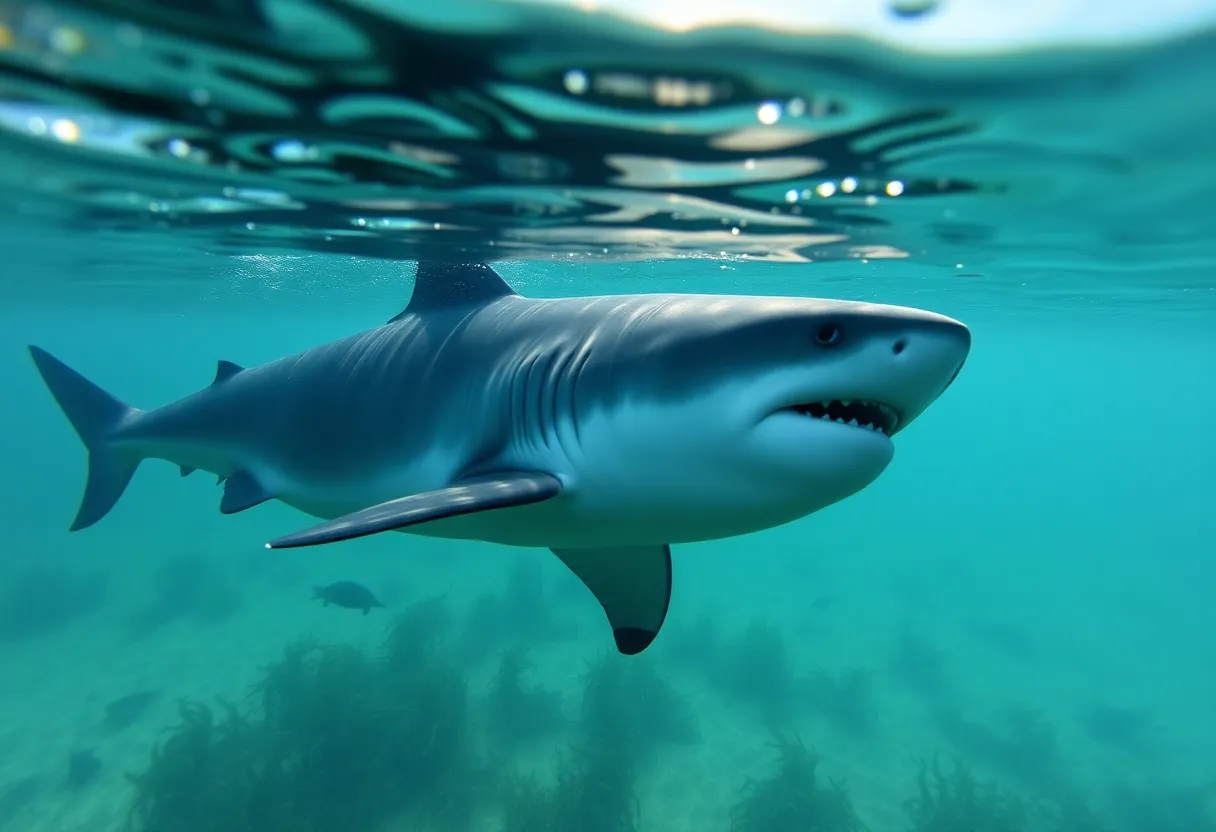
The sighting of a great white shark named ‘Seaweed’ off the coast of Myrtle Beach has thrilled marine researchers, shedding light on shark migration patterns. This finding emphasizes the importance of understanding these apex predators in relation to marine ecosystem health. As Seaweed moves along the U.S. East Coast, her migration can inform conservation efforts, and enhance public awareness about safely engaging with marine life. Proper education and safety guidelines for beachgoers aim to foster a safe and respectful interaction with these powerful creatures.
Great White Shark ‘Seaweed’ Sighting Near Myrtle Beach
Marine Researchers Excited About New Insights into Shark Migration
MYRTLE BEACH, SOUTH CAROLINA – The recent sighting of a great white shark named “Seaweed” off the Myrtle Beach coast has sparked interest among marine researchers and local authorities alike. As she continues her migratory path along the U.S. East Coast, Seaweed provides valuable data that can aid in understanding the migratory behaviors of these apex predators while raising awareness about the marine ecosystem’s health.
Sharks are often misunderstood and viewed with apprehension. However, understanding more about their roles in the marine environment could lead to better practices that foster both conservation and community safety. The ongoing research and monitoring empower local stakeholders to appreciate the presence of such a formidable species while ensuring that beachgoers can enjoy the ocean responsibly.
Shark’s Recent Activity
Seaweed, an adult female great white shark, has been recently detected off Myrtle Beach. This sighting is part of her ongoing migration, and her movements are being closely monitored by marine biologists who seek to better understand the migratory patterns of great white sharks along the East Coast. As top predators, their migration patterns play a significant role in the ecological balance of marine environments.
Background on Great White Sharks
Great white sharks, recognized for their impressive size and strength, are pivotal to the health of ocean ecosystems. By regulating marine populations, they help maintain the balance necessary for diverse aquatic life. However, these majestic creatures face numerous threats, including overfishing and habitat loss, making conservation efforts crucial. Increased understanding of their behaviors and populations will benefit both marine ecosystems and coastal communities.
Safety Precautions for Beachgoers
Despite their formidable reputation, great white sharks typically do not pose a direct threat to humans. Swimmers and surfers are encouraged to stay vigilant and adhere to local safety guidelines while engaging in water activities. Awareness and education surrounding shark behavior can further foster safe interactions between humans and marine wildlife.
Ongoing Research and Conservation Efforts
Ongoing research regarding great white sharks, including Seaweed, plays a vital role in shaping conservation strategies. Monitoring sharks’ movements and behaviors is essential in understanding their needs and threats. Public education initiatives can inform residents and visitors of the importance of protecting these animals and maintaining safe recreational practices along the coast.
Conclusion
The sighting of Seaweed exemplifies the remarkable nature of our ocean’s ecosystems and the importance of protecting these magnificent creatures. In Rock Hill and the surrounding areas, supporting local businesses and engaging in marine conservation efforts can enhance economic growth while safeguarding our coastal resources for future generations. Stay informed and participate in the community initiatives that promote both local entrepreneurial spirit and environmental stewardship.
Frequently Asked Questions (FAQ)
What is the significance of the great white shark named ‘Seaweed’ near Myrtle Beach?
The sighting of ‘Seaweed’ provides valuable data for marine researchers studying the migratory patterns of great white sharks along the U.S. East Coast.
Are great white sharks dangerous to humans?
While great white sharks are powerful predators, they typically do not pose a threat to humans. It’s advisable for swimmers and surfers to remain vigilant and adhere to local safety guidelines when in the water.
What conservation efforts are in place to protect great white sharks?
Conservation efforts include monitoring shark populations, implementing fishing regulations, and promoting public education to ensure the protection of these animals and the safety of coastal communities.
Key Features of the Great White Shark ‘Seaweed’ Sighting
| Feature | Details |
|---|---|
| Species | Great White Shark |
| Name | Seaweed |
| Location | Myrtle Beach Coast |
| Significance | Provides data on migratory patterns |
| Conservation Status | Protected under various conservation efforts |
Deeper Dive: News & Info About This Topic
HERE Resources

Author: STAFF HERE ROCK HILL
The ROCK HILL STAFF WRITER represents the experienced team at HERERockHill.com, your go-to source for actionable local news and information in Rock Hill, York County, and beyond. Specializing in "news you can use," we cover essential topics like product reviews for personal and business needs, local business directories, politics, real estate trends, neighborhood insights, and state news affecting the area—with deep expertise drawn from years of dedicated reporting and strong community input, including local press releases and business updates. We deliver top reporting on high-value events such as the Come-See-Me Festival, Rock Hill Arts Festival, and motorsport events at the Rock Hill Velodrome. Our coverage extends to key organizations like the Rock Hill Chamber of Commerce and the Culture & Heritage Museums, plus leading businesses in manufacturing and technology that power the local economy such as 3D Systems and Comporium. As part of the broader HERE network, including HEREAiken.com, HEREBeaufort.com, HEREChapin.com, HERECharleston.com, HEREClinton.com, HEREColumbia.com, HEREGeorgetown.com, HEREGreenwood.com, HEREGreenville.com, HEREHiltonHead.com, HEREIrmo.com, HEREMyrtleBeach.com, HERENewberry.com, HERERockHill.com, and HERESpartanburg.com, we provide comprehensive, credible insights into South Carolina's dynamic landscape.