News Summary
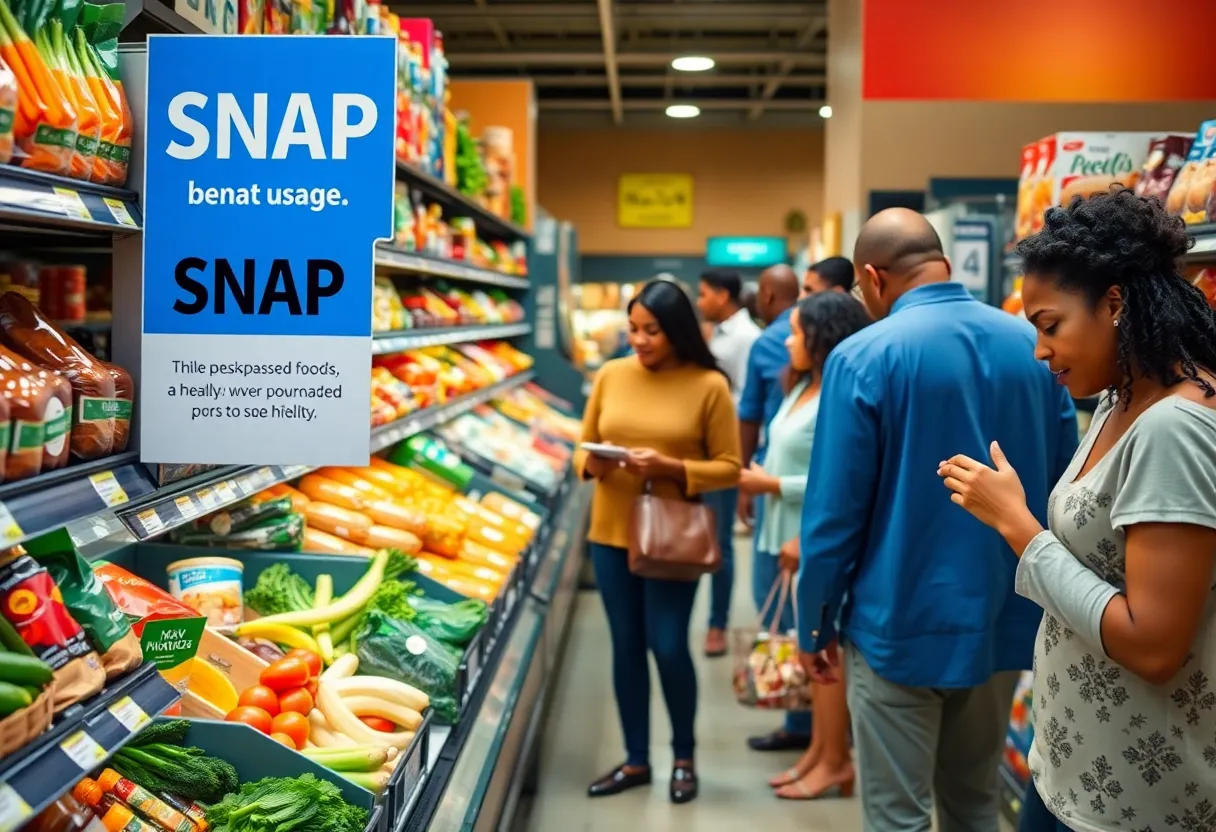
South Carolina’s Governor Henry McMaster has unveiled a proposal aimed at restricting the use of SNAP benefits for purchasing junk food, particularly candy and soda, impacting over 580,000 residents. This executive order would require USDA approval and follows previous attempts to impose similar regulations. Supporters argue it could reduce childhood obesity, while critics maintain it undermines personal freedom in dietary choices. The proposal reflects ongoing debates regarding nutrition and food assistance for low-income families, balancing health initiatives with individual rights.
Columbia, South Carolina – South Carolina Governor Henry McMaster has proposed new restrictions on the Supplemental Nutrition Assistance Program (SNAP) benefits that could affect over 580,000 residents. The proposal aims to prevent SNAP recipients from purchasing junk food items, specifically candy and soda, through their benefits. The governor announced his intentions on X (formerly Twitter) this past Wednesday, indicating a desire to implement what he describes as “common sense” limits on SNAP purchases to enhance public health.
The governor’s proposed changes follow previous attempts to curtail junk food purchases with food stamps. Earlier in 2023, a group of Republican lawmakers introduced the SNAP Integrity Act, which sought similar restrictions on candy and soda purchases. However, this legislation did not progress past the committee stage. The recent proposal differs as it is framed as an executive order, which requires approval from the United States Department of Agriculture (USDA) through a waiver process.
Should the USDA approve these new restrictions, they are expected to come into effect in early 2024. The proposed measures have sparked a mixed response among local residents, highlighting the ongoing debate about nutrition and dietary choices for low-income individuals. Some supporters of the proposal feel that restricting junk food purchases could combat concerns over childhood obesity and promote healthier eating habits within low-income neighborhoods. On the other hand, critics argue that food stamps are meant to provide basic assistance, which should include the right to indulge occasionally in treats.
Local resident assessments represent a spectrum of opinions. One Rock Hill resident voiced concern, emphasizing that everyone, regardless of economic status, should have access to occasional indulgence. Conversely, another resident supported the proposal, citing the importance of addressing childhood obesity as a critical health issue in the state.
The USDA has previously allowed for waivers that let states implement restrictions on non-nutritious items. This action took place under the Trump administration when twelve states received approvals to limit the types of food purchased using SNAP benefits. The South Carolina governor’s actions are part of a prevailing trend across several states seeking to introduce similar restrictions. Proponents believe that restructuring SNAP purchasing options will better address health concerns, especially among vulnerable populations.
Through the proposed executive order, Governor McMaster aims to strengthen public health initiatives while navigating the complexities of food assistance programs. Advocates of the SNAP benefits point out that while promoting nutrition is crucial, it is equally important to ensure that families find joy and satisfaction in their meals, inclusive of some treat items.
As the debate continues, the focus remains on the balance between ensuring low-income families have access to sufficient nutrition and respecting individuals’ personal choices on food consumption. The discussion surrounding Governor McMaster’s proposal presents an opportunity to reflect on public health objectives versus individual rights, particularly as it pertains to food access for economically disadvantaged populations.
Deeper Dive: News & Info About This Topic
HERE Resources
School Community Reacts to Senator Wes Climer’s Congressional Bid
Wes Climer Announces Candidacy for U.S. House in South Carolina
Rock Hill Faces Food Insecurity Crisis Amid Federal Budget Cuts
Food Banks Face Challenges Amid Federal Budget Cuts in the Carolinas
Trump Signs Major Tax Cuts and Spending Bill
Brandon Taylor Returns to 27 News Evening Team
Nebraska Becomes First State to Ban Soda Purchases in SNAP
Unlocking the Secrets of Rock Hill’s Carhartt Mansion Ruins
TikTok’s Impact on Local Businesses in the Carolinas
Charlotte Businesses Brace for TikTok Ban Consequences
Additional Resources
- Herald Online: Local News
- WKOW: Wisconsin SNAP Funding
- WISTV: D-SNAP in South Carolina
- Google Search: Supplemental Nutrition Assistance Program
- Wikipedia: Supplemental Nutrition Assistance Program


Author: STAFF HERE ROCK HILL
The ROCK HILL STAFF WRITER represents the experienced team at HERERockHill.com, your go-to source for actionable local news and information in Rock Hill, York County, and beyond. Specializing in "news you can use," we cover essential topics like product reviews for personal and business needs, local business directories, politics, real estate trends, neighborhood insights, and state news affecting the area—with deep expertise drawn from years of dedicated reporting and strong community input, including local press releases and business updates. We deliver top reporting on high-value events such as the Come-See-Me Festival, Rock Hill Arts Festival, and motorsport events at the Rock Hill Velodrome. Our coverage extends to key organizations like the Rock Hill Chamber of Commerce and the Culture & Heritage Museums, plus leading businesses in manufacturing and technology that power the local economy such as 3D Systems and Comporium. As part of the broader HERE network, including HEREAiken.com, HEREBeaufort.com, HEREChapin.com, HERECharleston.com, HEREClinton.com, HEREColumbia.com, HEREGeorgetown.com, HEREGreenwood.com, HEREGreenville.com, HEREHiltonHead.com, HEREIrmo.com, HEREMyrtleBeach.com, HERENewberry.com, HERERockHill.com, and HERESpartanburg.com, we provide comprehensive, credible insights into South Carolina's dynamic landscape.