News Summary
Texas has been ranked third in Area Development’s annual Top States for Doing Business survey, showcasing its strengths in job creation and energy production. Despite challenges such as high inflation and permitting bottlenecks, Texas excels in energy availability and infrastructure, highlighting its competitive business climate. The state’s focus on workforce training and streamlining permitting processes remains a priority as it continues to attract investment and foster economic growth.
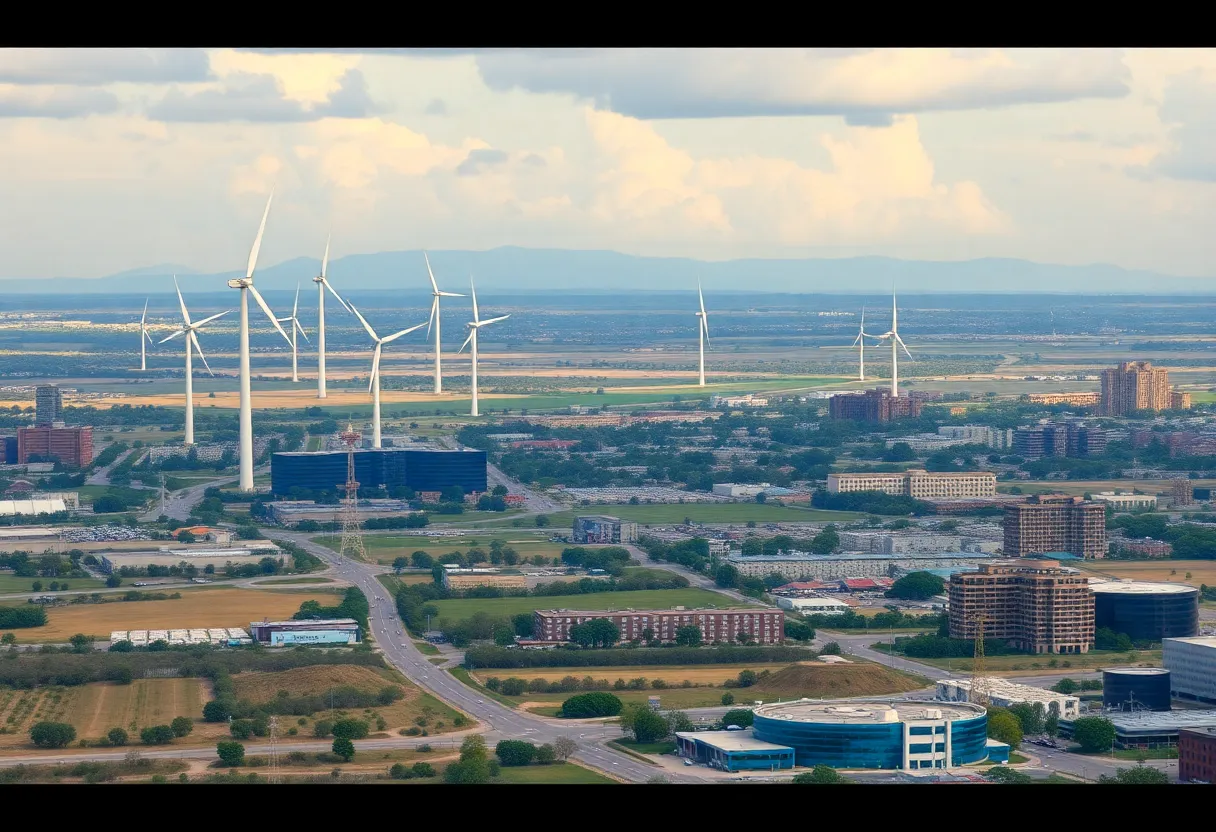
Texas has been ranked third in Area Development’s annual Top States for Doing Business survey for 2025, following Georgia, which secured the top position, and South Carolina in second place. This ranking reflects Texas’s ongoing leadership in job creation and energy production, both of which play crucial roles in establishing a favorable business climate.
This year’s survey indicates a shifting economic landscape, largely influenced by factors such as high inflation and tariff uncertainties. Specific metrics determining the rankings included workforce pipelines, power infrastructure, and the speed and reliability of project execution, which are increasingly important for attracting businesses in a competitive marketplace.
The structure of the survey has been modified to enhance clarity in assessing states’ capabilities. Notably, separate ratings for Energy Availability and Energy Cost were introduced this year. Texas excelled in these areas, ranking first for energy availability, which is a significant factor for companies looking to establish or expand operations.
In terms of infrastructure and operational efficiency, Texas placed second for access to qualified labor and logistics and infrastructure, while it ranked fifth for permitting speed and fourth for its regulatory framework. These categories underscore the state’s emphasis on maintaining a smooth operational environment for businesses. However, it ranked eighth for workforce training programs, suggesting that there is still room for improvement in preparing workers for specific industry demands.
The importance of factors such as water access, permitting speed, and site readiness has become more pronounced in this year’s survey, reflecting their critical influence on capital investment decisions. While Texas has its own distinctive electric grid and permitting processes, challenges remain. In various categories, including business incentive programs and favorable property taxes, Texas did not make the list of the top ten states, indicating a gap in areas that often attract businesses seeking to maximize their operational efficiencies.
Consultants have noted that permitting can act as a significant bottleneck in the development process. Nevertheless, some states are discovering ways to streamline these procedures to become more attractive to businesses. It has been observed that states need to create transparent permitting pathways, offer development-ready sites, and provide tailored workforce programs to align with specific industry needs.
The report also reveals a potential shift in business relocation incentives, moving away from traditional appeals such as tax credits towards a preference for long-term reliability in policies and execution efficiency. This illustrates a changing favor towards states that can demonstrate consistent operational benefits. As the economy adapts, there is an increasing emphasis on labor availability, which correlates with demographic trends, automation advancements, and connections to training centers.
States are beginning to explore “concierge-style” workforce solutions to specifically meet skill demands in emerging fields like life sciences, advanced manufacturing, and artificial intelligence. Such initiatives aim to connect educational resources and businesses to foster a more skilled workforce tailored to the industries where growth is anticipated.
The statewide rankings saw the Southeast continue to dominate, with North Carolina following Texas as the fourth top state for business, while Tennessee, Virginia, Alabama, Louisiana, Ohio, and Michigan filled the remaining spots in the top ten. Rounding out the top twenty states were Mississippi, Indiana, Arizona, Illinois, Oklahoma, Kentucky, Florida, Arkansas, Wisconsin, and Pennsylvania.
The expanded metrics used in the survey, coupled with insights into current market conditions, emphasize the evolving needs of businesses seeking to invest. As various factors weigh heavily on decision-making, Texas continues to adapt, positioning itself as a key player in attracting business investment and fostering economic growth in the years to come.
Deeper Dive: News & Info About This Topic
- The Center Square: Texas Business Ranking
- Wikipedia: Economy of Texas
- Spectrum Local News: Legacy Business Month Austin
- Google Search: Texas business environment
- KDH News: AI Impact on Small Businesses
- Google Scholar: Texas business report
- OpenPR: Xtinio Relocates Headquarters to Austin
- Encyclopedia Britannica: Texas economy
- Akin Gump: Texas Pro-Business Law
- Google News: Texas job growth


Author: STAFF HERE ROCK HILL
The ROCK HILL STAFF WRITER represents the experienced team at HERERockHill.com, your go-to source for actionable local news and information in Rock Hill, York County, and beyond. Specializing in "news you can use," we cover essential topics like product reviews for personal and business needs, local business directories, politics, real estate trends, neighborhood insights, and state news affecting the area—with deep expertise drawn from years of dedicated reporting and strong community input, including local press releases and business updates. We deliver top reporting on high-value events such as the Come-See-Me Festival, Rock Hill Arts Festival, and motorsport events at the Rock Hill Velodrome. Our coverage extends to key organizations like the Rock Hill Chamber of Commerce and the Culture & Heritage Museums, plus leading businesses in manufacturing and technology that power the local economy such as 3D Systems and Comporium. As part of the broader HERE network, including HEREAiken.com, HEREBeaufort.com, HEREChapin.com, HERECharleston.com, HEREClinton.com, HEREColumbia.com, HEREGeorgetown.com, HEREGreenwood.com, HEREGreenville.com, HEREHiltonHead.com, HEREIrmo.com, HEREMyrtleBeach.com, HERENewberry.com, HERERockHill.com, and HERESpartanburg.com, we provide comprehensive, credible insights into South Carolina's dynamic landscape.