As fishing season approaches, local anglers in Rock Hill are reminded that simply releasing a fish does not guarantee its survival. Research highlights that the actions taken before, during, and after landing a fish are critical to its post-release survival rates. This includes gear selection, handling techniques, and the time a fish spends out of water.
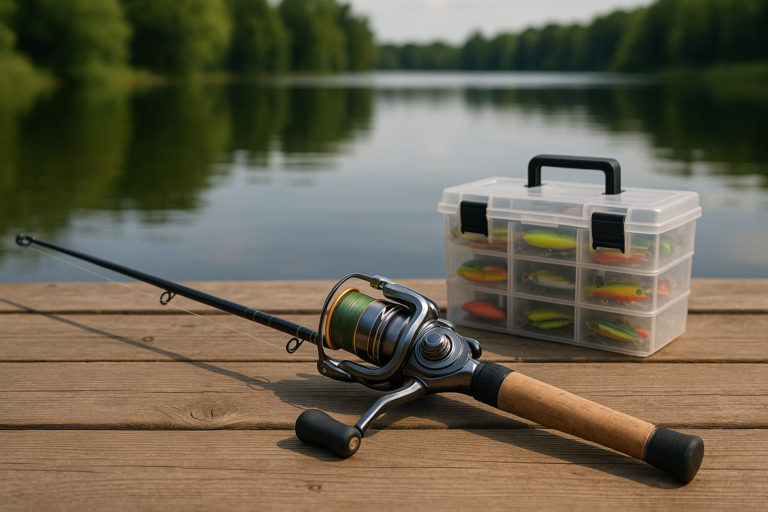
To enhance the chances of survival for released fish, experts recommend using specific gear. Circle hooks or barbless hooks are preferred as they reduce the risk of deep hooking and internal injuries. Additionally, non-stainless steel hooks are beneficial because they corrode out of tissue if a fish swallows the hook and escapes. Using wet, knotless rubber or mesh nets is also advised, as these minimize damage to the fish’s mucus coating and fins, which are vital for their health.
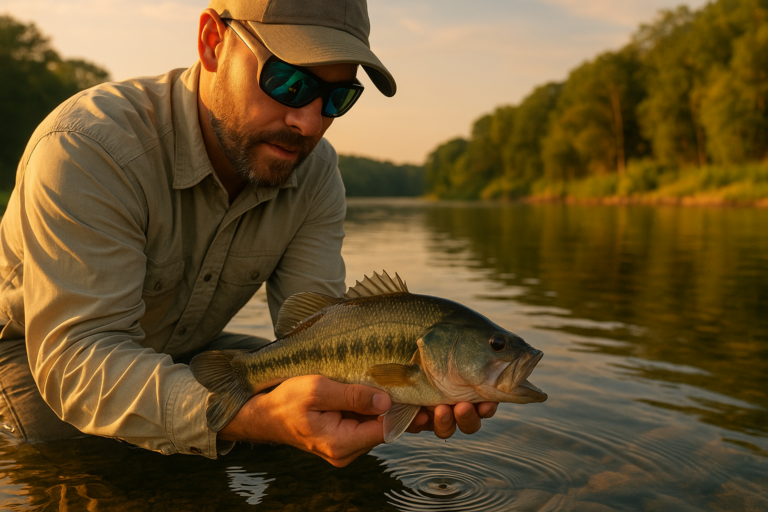
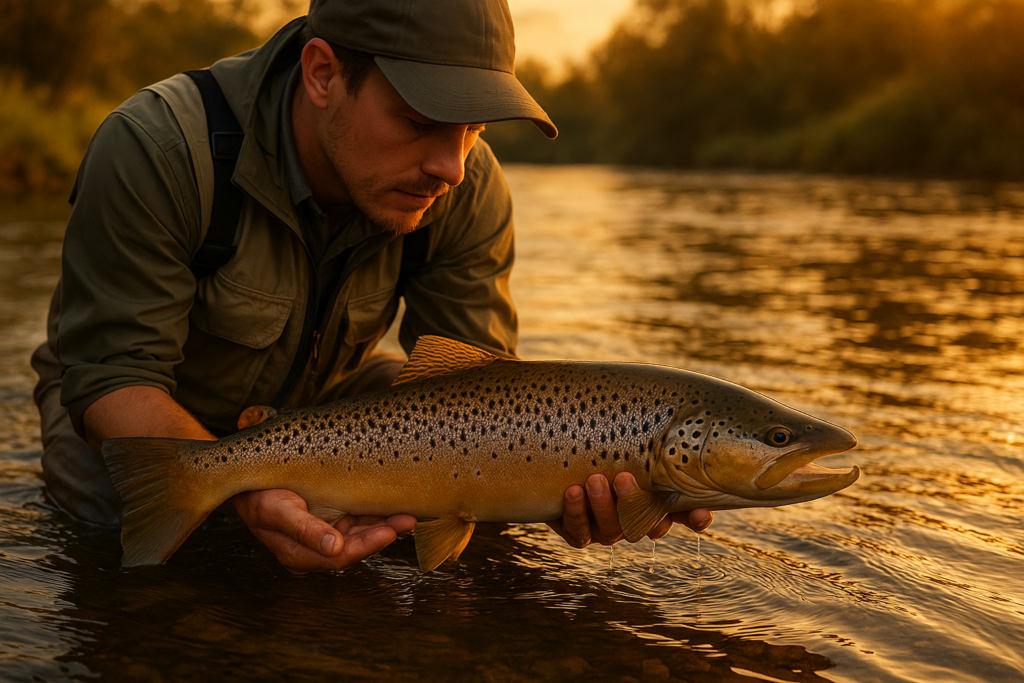
One of the most critical factors in catch-and-release fishing is the amount of time a fish is exposed to air. Ideally, air exposure should be kept under 60 seconds. Fish should be handled minimally and only with wet hands to avoid damaging their skin. It is important to avoid touching the eyes and gills, and to support the fish along its full length rather than suspending it vertically by the lip or jaw.
For deep-water fish, there is an additional concern known as barotrauma. This occurs when fish are brought up rapidly from depths greater than 30 feet, leading to a build-up of gases in their body cavities and causing swim bladder distension. To improve survival rates for these fish, it is recommended to release them at depth using a descending device, which is far more effective than releasing them at the surface.
Moreover, exhausted fish require resuscitation before being released. This can be done by holding the fish upright, facing into a current until it regains equilibrium and swims away under its own power. Releasing a sluggish fish at the surface before it has fully recovered can sharply reduce its chances of survival.
As fishing enthusiasts in Rock Hill prepare to enjoy the waters, applying these best practices can make a significant difference in the health and survival of fish populations. By being mindful of how they handle and release fish, anglers can contribute to sustainable fishing practices and the overall health of local ecosystems.
For more information on catch-and-release best practices, anglers can consult resources from NOAA Fisheries and the Texas Parks and Wildlife Department, which provide guidelines aimed at improving the survival rates of released fish.