As hunting season approaches in Rock Hill, local hunters are reminded of the importance of field dressing wild game safely to preserve meat quality and prevent foodborne illnesses. Proper techniques can make the difference between a successful harvest and spoiled meat.
Evisceration should begin as soon as possible after harvesting the game. This step is crucial as it accelerates the loss of body heat, halts bacterial growth on internal surfaces, and ultimately preserves the quality of the meat. Delaying this process is the most common avoidable cause of spoilage, making it vital for hunters to act quickly.
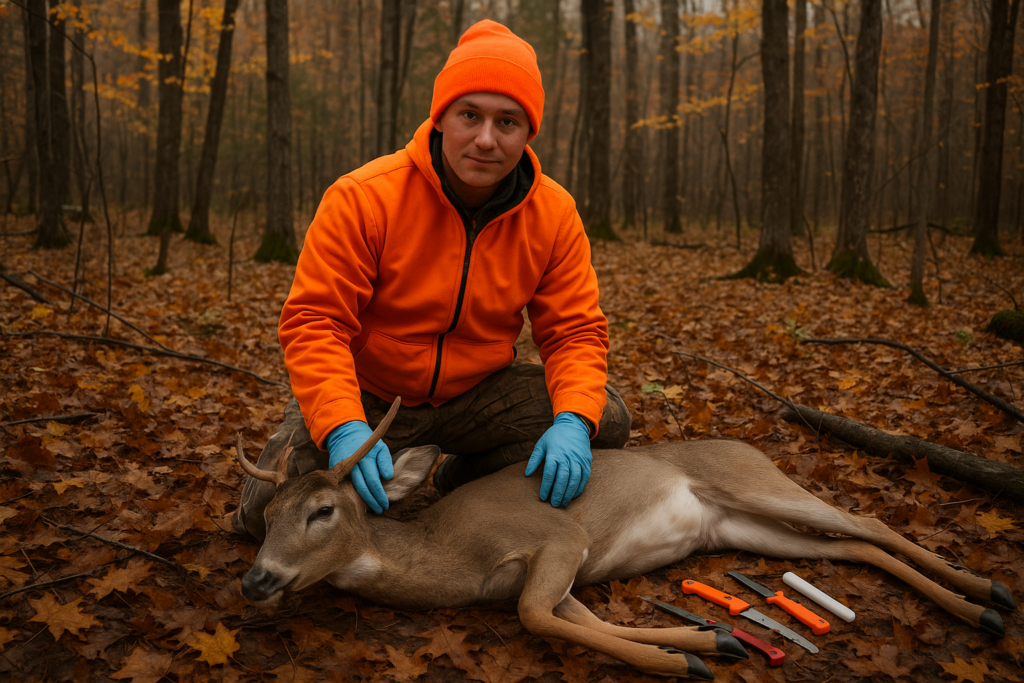
Wearing disposable gloves throughout the field dressing process is recommended to reduce exposure to zoonotic pathogens. Additionally, gloves help prevent the contamination of the meat with skin bacteria. Hunters should also ensure that their hands and all cutting tools are washed thoroughly with soap and water before and after handling the game.
The core technique for field dressing involves making a careful skin incision along the midline from the breastbone toward the hindquarters. It is essential to avoid puncturing the intestines or digestive organs, as gut contents contain bacteria associated with foodborne illness that can migrate to muscle tissue.
Once the organs are removed, the chest and abdominal cavity should be wiped dry with paper towels. It is important to note that rinsing with stream or pond water can introduce moisture, which accelerates bacterial growth. To facilitate air circulation and rapid cooling, the cavity should be propped open with a stick.
Maintaining the carcass below 40°F (4°C) from the field to the processor is a critical food safety threshold. Hunters should ensure that meat does not remain in a warm vehicle or warm air for extended periods. Upon reaching camp or home, carcasses should be refrigerated or placed on ice immediately to prevent spoilage.
By following these steps, Rock Hill hunters can ensure that their game is processed safely and remains of high quality for consumption. Proper field dressing not only enhances the hunting experience but also promotes food safety for families enjoying the fruits of their labor.