For residents in Rock Hill, understanding home insulation can lead to substantial energy savings and increased comfort. One of the key measures of insulation effectiveness is the R-value, which gauges a material’s resistance to heat flow. The higher the R-value, the better the insulation. This is particularly important in attics, which are often the highest-priority location for insulation upgrades. Heat naturally rises, making attics susceptible to heat loss if they are not adequately insulated.
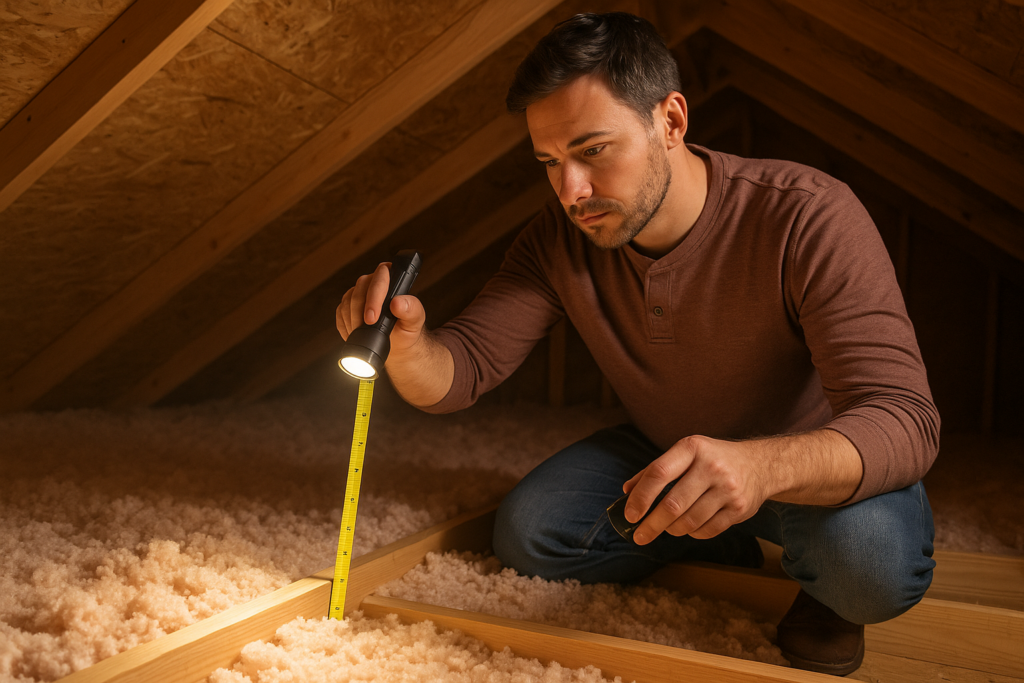
Efficiency guidance suggests that attic R-values should range from R-30 in warmer climate zones to R-60 in the coldest areas. Even homes that currently have 3 to 4 inches of insulation in colder climates may need to upgrade to an R-value between R-38 and R-49 to ensure optimal performance.
Different insulation materials offer varying R-values per inch. For example, fiberglass batts typically provide an R-value of approximately R-3.1 to R-3.4 per inch, while blown-in cellulose can deliver about R-3.2 to R-3.7 per inch. Closed-cell spray foam is a more effective option, reaching R-6 or more per inch. Homeowners should consider these options when planning insulation upgrades.
In addition to insulation, air sealing is a crucial step that can enhance energy efficiency. According to federal efficiency guidance, combining air sealing with insulation can reduce annual heating and cooling costs by up to 10%. Addressing the attic first is often the most effective strategy, as heat loss in this area accounts for a significant portion of a home’s total energy loss.
Before adding insulation, it is advisable to seal any air leaks around penetrations such as electrical wiring, plumbing, recessed lights, and duct chases. While insulation helps slow heat flow through conduction, it does not prevent air movement, which can carry heat out of the conditioned space. Therefore, ensuring that air sealing is completed prior to insulation installation can maximize the effectiveness of the overall energy-saving efforts.
Homeowners in Rock Hill looking to improve their energy efficiency should prioritize attic insulation and consider both R-values and air sealing techniques to achieve the best results. By taking these steps, they can enjoy lower energy bills and a more comfortable living environment throughout the year.