Anticipated periods of intense heat, often referred to as heat domes, present significant challenges for maintaining healthy outdoor plants in Rock Hill. With July temperatures consistently high, protecting garden beds, container plants, and patio greenery requires proactive measures to mitigate stress and conserve moisture.
One of the most critical strategies for plant survival during prolonged heat is deep and infrequent watering. Instead of light, daily sprinkles, which encourage shallow root growth, plants benefit from thorough saturation that reaches deeper into the soil. This promotes the development of robust root systems capable of accessing moisture reserves. Watering early in the morning, before the sun’s intensity increases, minimizes evaporation and allows plants to absorb water effectively before the heat of the day sets in. For garden beds, this might mean running a soaker hose for an extended period, while containers may require a slow pour until water drains from the bottom.
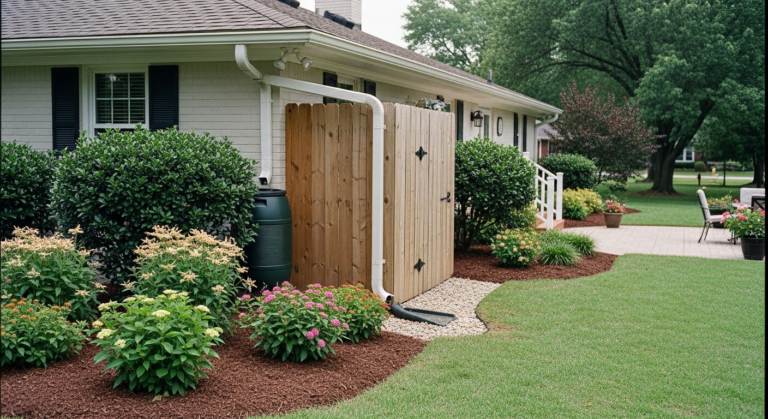
Mulching plays a dual role in heat protection, helping to retain soil moisture and regulate soil temperature. A layer of organic mulch, such as pine straw, shredded bark, or compost, applied around plants can significantly reduce evaporation from the soil surface. This barrier also insulates the soil, keeping roots cooler in the intense summer sun and warmer during cooler nights. For residents in neighborhoods like Riverwalk or Manchester Village, where many homes feature ornamental beds and patio containers, applying a fresh layer of mulch can be a straightforward yet impactful step.
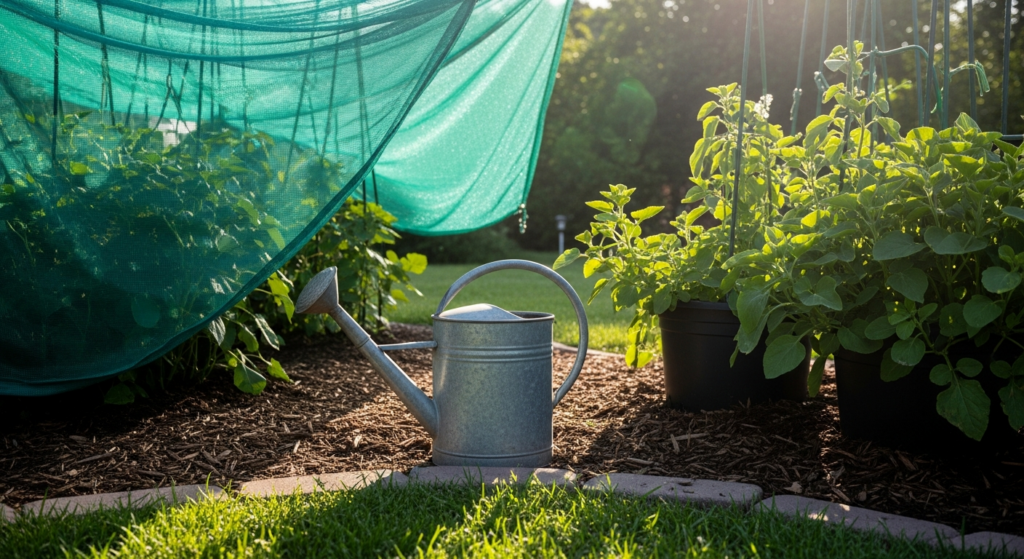
Providing shade is another effective tactic, particularly for heat-sensitive plants or those in containers. Temporary shade structures, such as shade cloths, umbrellas, or even strategically placed taller plants, can offer crucial relief during the hottest parts of the day. For container gardens, the ability to move pots to shadier locations, such as under a porch or a mature tree, can prevent scorching and reduce water demand. This flexibility is a key advantage for patio gardeners across Rock Hill.
Beyond plant care, timing outdoor work is essential for personal safety and plant health. Avoiding gardening tasks during the midday hours, typically between 10 a.m. and 4 p.m., protects individuals from heat exhaustion and minimizes additional stress on plants. Pruning or planting during peak heat can shock plants, making them more vulnerable. Instead, focus on early morning or late evening when temperatures are lower.
Monitoring plants closely for signs of stress, such as wilting, yellowing leaves, or stunted growth, allows for timely intervention. While the focus is often on watering, it is also important to avoid over-fertilizing during heat waves, as this can stimulate new growth that is particularly susceptible to heat damage. Healthy plants, well-established before the onset of extreme heat, are better equipped to withstand the challenging conditions of a Rock Hill summer.
### Why it matters in Rock Hill
The sustained summer heat presents a consistent challenge for gardeners and landscape managers throughout Rock Hill. Public spaces like Glencairn Garden, a prominent local landmark, exemplify the ongoing effort required to maintain plant vitality in these conditions. The strategies of deep watering, mulching, and providing shade are not merely recommendations but essential practices for preserving the aesthetic and ecological value of both private gardens and community green spaces. For homeowners and institutions alike, understanding and implementing these measures helps ensure that Rock Hill’s diverse flora can thrive despite the intense July sun, contributing to the city’s overall green infrastructure and quality of life.