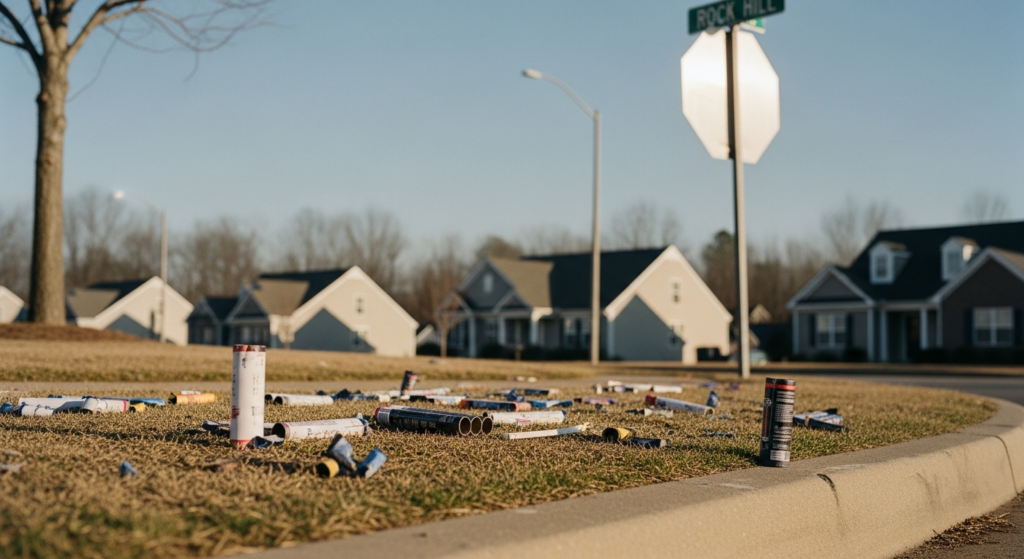
National public safety advisories issued ahead of the recent Independence Day holiday weekend highlighted significant risks associated with consumer fireworks, focusing on preventing burns and injuries, mitigating air quality impacts, and reducing wildfire hazards. These warnings, disseminated nationally, serve as a reminder of the precautions necessary when handling pyrotechnics, even as the celebratory period concludes.
The primary concern articulated in these advisories centered on the potential for severe physical injury. Fireworks, while a traditional part of holiday celebrations, are responsible for thousands of emergency room visits annually across the country. Common injuries include burns to the hands, face, and eyes, as well as lacerations and concussions. Children are particularly vulnerable, often sustaining injuries from sparklers, which can reach temperatures exceeding 1,000 degrees Fahrenheit. Safety guidelines consistently recommend maintaining a safe distance from lit fireworks, ensuring adult supervision, and having a water source readily available for dousing spent devices or extinguishing small fires.
Beyond immediate physical harm, the use of fireworks also poses environmental and health considerations, particularly regarding air quality. The combustion of fireworks releases fine particulate matter and various gases into the atmosphere. These airborne pollutants can exacerbate respiratory conditions such as asthma and bronchitis, affecting sensitive populations, including young children, the elderly, and individuals with pre-existing lung or heart conditions. In urbanized areas like Rock Hill, where population density can lead to higher concentrations of such pollutants, the cumulative effect of widespread fireworks use can temporarily degrade local air quality.
Another critical aspect of the public safety warnings addressed the risk of wildfires. Dry conditions, which can occur in the Piedmont region where Rock Hill is situated, increase the susceptibility of vegetation to ignition from stray sparks or improperly extinguished fireworks. The Catawba River watershed, encompassing parts of York County, includes areas with significant natural landscapes that could be vulnerable. Even seemingly innocuous devices can launch embers that travel considerable distances, igniting dry grass, brush, or even structures. Authorities consistently advise against using fireworks near dry foliage, wooded areas, or residential structures, and stress the importance of thoroughly soaking spent fireworks in water before disposal.
These national advisories underscore a broader commitment to public health and safety during periods of increased fireworks use. While specific local incidents or restrictions were not part of the national guidance, the principles of safe handling, environmental awareness, and injury prevention remain universally applicable. For residents of Rock Hill, understanding these risks and adhering to safety protocols is key to ensuring community well-being, not just during holidays but whenever consumer fireworks are used.
### Why it matters in Rock Hill
The national warnings regarding fireworks safety, burn prevention, air quality, and wildfire risk hold direct relevance for Rock Hill. Piedmont Medical Center, a cornerstone healthcare provider in the city, frequently sees an increase in emergency department visits related to fireworks injuries during holiday periods. Adherence to safety guidelines can directly reduce the burden on local medical services and prevent avoidable trauma for residents. Furthermore, the City of Rock Hill’s public safety departments, including fire and police services, are tasked with responding to incidents ranging from small brush fires to property damage, all of which can be exacerbated by unsafe fireworks practices. Maintaining vigilance and following established safety protocols helps protect both individual well-being and the collective resources of the Rock Hill community.