Freshwater fishing continues to grow in popularity across the United States, with an estimated 40 million participants. For those in Rock Hill and the broader York County area looking to join their ranks, understanding the basic equipment and techniques can transform a casual interest into a rewarding outdoor pursuit. A comprehensive guide for beginners outlines essential gear, effective bait, versatile lures, and strategies for locating productive fishing spots, all while navigating local regulations.
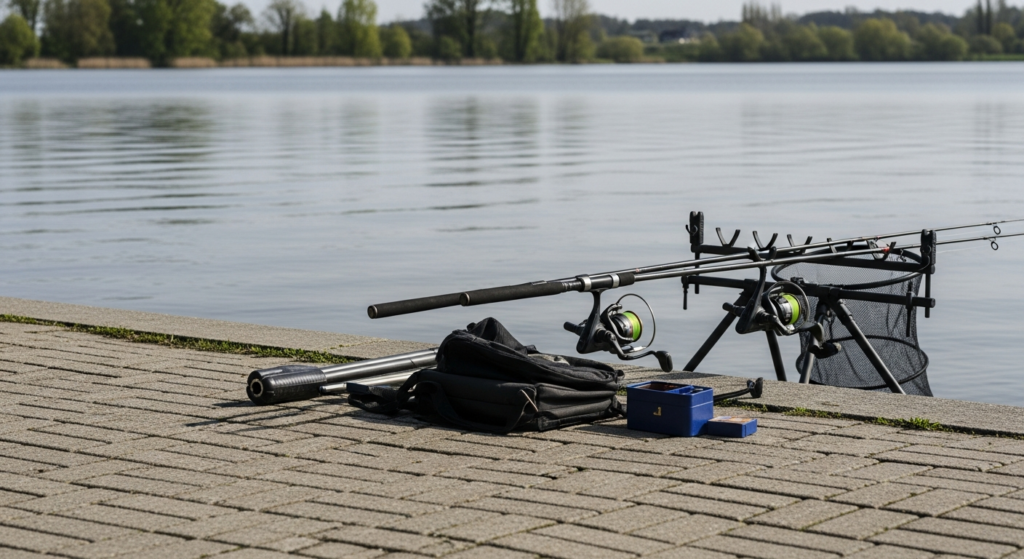
Starting with the right equipment is crucial for new anglers. Recommended beginner rod and reel setups prioritize ease of use and versatility. A 6’6” spincast rod paired with a 150-size spincast reel offers simplicity, making it an excellent choice for those just learning to cast. For a step up in control and casting distance, a 6’6” spinning rod with a 2000 spinning reel provides a balanced option. More experienced beginners might consider a 7’ baitcasting rod with a 150-size casting reel, which offers greater precision for certain techniques once mastered. Each of these setups is designed to handle a variety of freshwater species commonly found in local waters.
Line choice is another fundamental aspect. For beginners, 10 lb. monofilament or nylon line is widely recommended due to its strength, knot-tying ease, and forgiving stretch. This type of line is suitable for a broad range of fishing scenarios and helps absorb some of the shock when a fish strikes, reducing the chance of line breakage for an inexperienced angler.
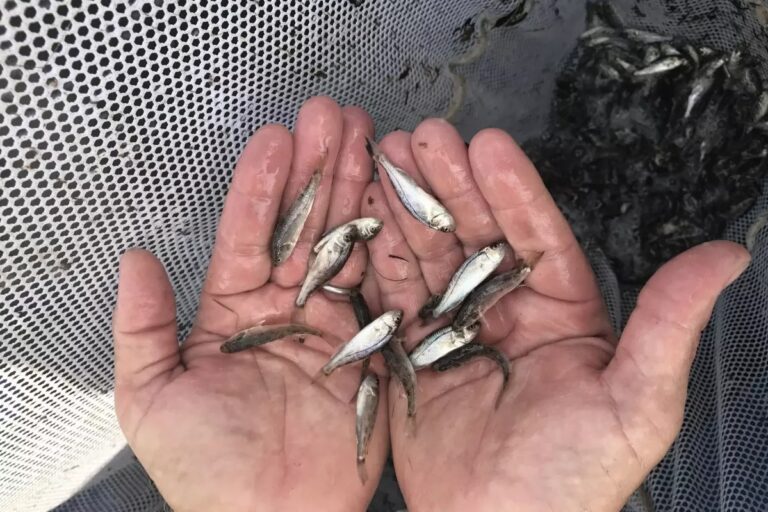
When it comes to attracting fish, simple and effective bait options are often the best starting point. Live worms and minnows remain perennial favorites for their natural appeal and effectiveness across many species. These baits are readily available and require minimal specialized technique, allowing beginners to focus on casting and presentation.
Beyond live bait, a small selection of versatile lures can significantly expand a beginner’s fishing repertoire. Lures are categorized by their action and the water column they target. Topwater lures, as their name suggests, float on the surface, creating disturbances that mimic injured prey. Jerkbaits are designed to be retrieved with a start-and-stop motion, imitating a struggling fish. Crankbaits dive to various depths depending on their lip design and are effective for covering water quickly. Bottom baits, such as a Texas Rig or a jig, are designed to be fished along the lakebed, targeting fish that feed closer to the bottom. Vibrating jigs combine the flash of a spinnerbait with the erratic action of a jig, making them highly attractive.
Specific lure recommendations for beginners include a soft 5” stickbait, which is incredibly versatile and can be fished in multiple ways, from weightless twitching to Texas-rigged. A 3/8oz spinnerbait offers flash and vibration, effective for attracting fish in various water conditions. A shallow running crankbait, designed to dive 0-5 feet, is ideal for exploring shallower areas of ponds and lakes. Finally, a hollow body frog is excellent for fishing over dense vegetation, mimicking frogs or other small animals on the surface.
Locating productive fishing spots is often a matter of research and local knowledge. State agencies, such as the South Carolina Department of Natural Resources, provide valuable information on public access points, fish stocking programs, and specific regulations for various bodies of water. Local tackle stores are also invaluable resources, often staffed by experienced anglers who can offer real-time advice on what’s biting and where. Free online fishing message boards and dedicated fishing apps can also help identify popular or productive areas. Before heading out, anglers should always check state regulations and purchase a fishing license online, ensuring compliance with local laws.
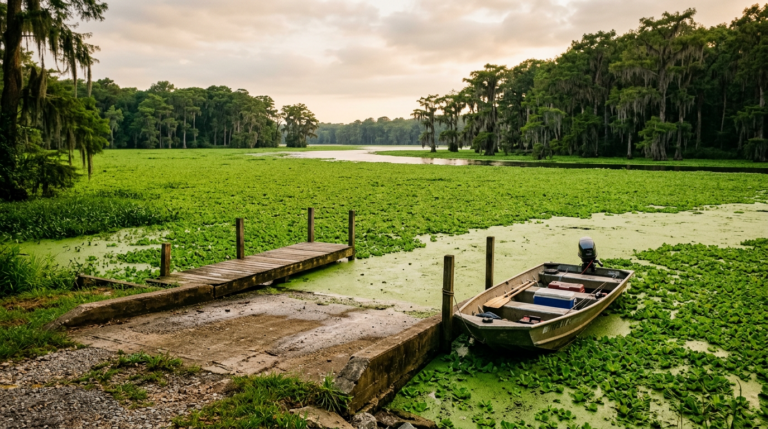
The types of fish an angler can target vary by water body. Pond fishing typically offers opportunities for bluegill, crappie, sunfish, catfish, or largemouth bass. These species are often found in shallower, more accessible waters. Lake fishing, such as in Lake Wylie or Winthrop Lake, can target similar shallow-water species, but also opens up possibilities for lake trout and walleye in deeper, open water. The Catawba River, a significant waterway in the region, also presents diverse fishing opportunities, depending on the specific stretch and conditions.
Fishing activity can also be influenced by seasonal and weather conditions. During the summer months, fish are often more active during cooler parts of the day, such as early morning or late evening, or during periods of overcast skies. Understanding these patterns can increase a beginner’s chances of success and make for a more enjoyable experience on the water.
Why it matters in Rock Hill
For residents of Rock Hill, access to freshwater fishing opportunities contributes significantly to the quality of life and recreational landscape of the city. The proximity to major waterways like Lake Wylie and the Catawba River, along with smaller local ponds and Winthrop Lake, provides diverse environments for anglers of all skill levels. Engaging in fishing offers a tangible connection to the natural environment, promoting outdoor activity and a deeper appreciation for the region’s aquatic ecosystems. As the City of Rock Hill continues to develop its recreational offerings, supporting accessible and well-managed fishing spots enhances the community’s appeal, providing a healthy and engaging pastime for families and individuals working at institutions like Piedmont Medical Center or attending Winthrop University. These natural assets are a vital part of Rock Hill’s identity, offering both tranquility and sport within a short distance of urban life.