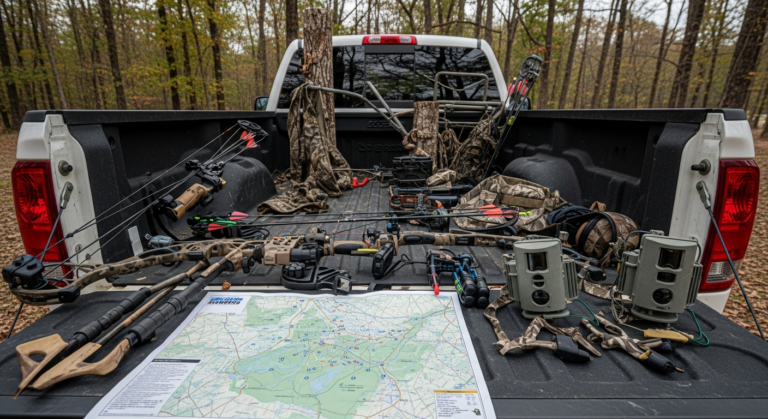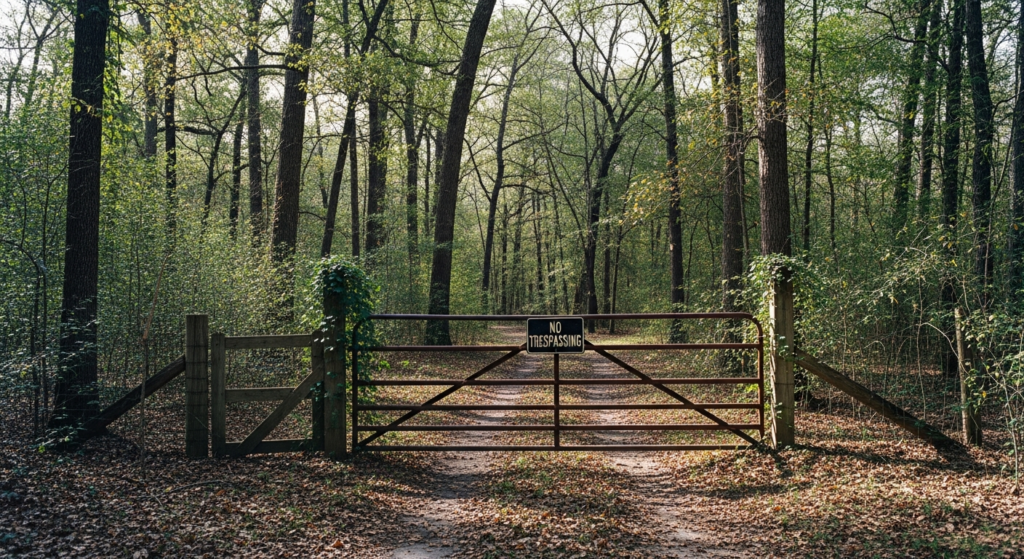
A comprehensive OnDemand legal course, titled “Leases, Easements, and Access: Legal Insights for Hunting and Fishing,” has become available, providing an in-depth look at the legal frameworks governing land access for recreational purposes. The program, delivered as a video with an accompanying downloadable course book, is specifically designed for legal professionals, including attorneys and paralegals, who advise clients on property rights and recreational land use.
The course delves into the fundamental distinctions between public and private land access, a critical area of understanding for both landowners and those seeking recreational opportunities. It guides participants through the process of choosing the most appropriate legal instrument—whether a license, a lease, or an easement—to fit a client’s specific needs. This selection is paramount, as each agreement carries distinct legal implications regarding duration, scope of rights, and enforceability.
Key topics covered include the meticulous drafting of hunting and fishing licenses, which typically grant revocable permission for short-term access. The program also provides extensive guidance on negotiating hunting and fishing leases, offering perspectives from both the landowner and the prospective lessee. This dual approach is designed to equip legal professionals with the tools to secure favorable terms, address potential liabilities, and ensure clarity in agreements that often span multiple seasons or years. Furthermore, the course examines the creation of easements for hunting and fishing access, which establish more permanent, non-possessory rights to use another’s land for specified purposes.
The curriculum emphasizes the importance of addressing key provisions within hunting leases, such as liability clauses, game management responsibilities, payment structures, and restrictions on use. For easements, the focus is on crafting clear and binding agreements that precisely define the scope of access and prevent future disputes. These detailed considerations are particularly relevant in areas like Rock Hill and York County, where a mix of private landholdings, agricultural properties, and natural resources like the Catawba River and Lake Wylie present varied scenarios for recreational access.
Leading the program is Dane E. Ardente, an attorney with a specialized practice in land use and commercial litigation. Mr. Ardente’s expertise encompasses municipal law and permitting, property and real-estate disputes, business disputes, and breach-of-contract litigation. He holds a B.A. from the University of Rhode Island and a J.D. from Roger Williams University. Admitted to practice in Rhode Island, Massachusetts, and the U.S. District Court for the District of Rhode Island, his background provides a broad foundation for the course’s comprehensive approach to land access law.
For legal professionals seeking to fulfill continuing legal education (CLE) requirements, the course offers one total credit hour in a wide array of jurisdictions across the United States. These include Alaska (through March 24, 2027), Arizona (through March 24, 2027), California (through March 24, 2027), Colorado (through December 31, 2027), Connecticut (through March 24, 2027), Delaware (through March 24, 2027), Florida (through September 30, 2026), Georgia (through December 31, 2026), Hawaii (through March 24, 2027), Idaho (through March 24, 2030), Illinois (through March 23, 2027), Iowa (no expiration date listed), Maine (through March 23, 2027), Minnesota (through March 24, 2027), Missouri (1.2 credits through March 24, 2027), Montana (through March 24, 2028), Nebraska (through March 24, 2027), Nevada (through March 24, 2028), New Hampshire (through March 24, 2028), New Mexico (through March 24, 2027), New York (through March 24, 2028), North Dakota (through March 24, 2028), Northern Mariana Islands (through March 24, 2027), Oklahoma (through March 24, 2027), Oregon (through March 24, 2028), Pennsylvania (through March 24, 2027), Tennessee (through March 23, 2027), Vermont (through March 24, 2027), Washington (through March 24, 2030), Wisconsin (through December 31, 2026), and West Virginia (1.2 credits through March 24, 2027).
Notably, the course does not currently offer CLE credit for South Carolina or North Carolina. This means attorneys practicing in Rock Hill, York County, and the broader Charlotte metro area south of the state line, while able to gain valuable substantive knowledge from the program, would need to seek out other accredited courses to fulfill their state-mandated CLE requirements. Despite this, the foundational legal principles and practical strategies discussed remain highly relevant to the challenges and opportunities faced by local legal professionals advising clients on land use and recreational access.
The legal intricacies of land access are particularly pertinent in a region experiencing rapid growth and development, such as Rock Hill and its surrounding York County. As urban and suburban areas expand, the interface between private property rights and public or recreational access becomes more complex. Landowners, whether individuals, families, or corporate entities, often seek legal counsel to manage their properties effectively, mitigate liability risks, and potentially generate income through controlled access for hunting, fishing, or other outdoor activities. Conversely, individuals or groups seeking such access require clear, legally sound agreements to ensure their rights are protected.
Attorneys in Rock Hill frequently encounter cases involving property boundaries, easements, and land use regulations. The principles outlined in this course—from understanding the nuances of different agreement types to negotiating specific provisions—can enhance a local practitioner’s ability to serve clients navigating these issues. The emphasis on selecting the agreement form that best fits a client’s needs and creating clear, binding terms is a universal best practice in property law, regardless of specific state statutes.
Why it matters in Rock Hill:
The availability of this OnDemand course, even without specific South Carolina CLE credit, holds significance for Rock Hill and York County. With its proximity to natural assets like the Catawba River and Lake Wylie, and a landscape that blends developing neighborhoods like Riverwalk and Manchester Village with more rural expanses, land access for recreation and property management is a constant concern. Local attorneys, whether practicing at firms or within organizations like the City of Rock Hill’s legal department, regularly advise landowners and developers on complex property matters. Understanding the distinctions between licenses, leases, and easements, as detailed in this program, can directly inform their counsel, helping to prevent disputes and facilitate responsible land use. The insights offered by an expert like Dane E. Ardente, even from outside the state, provide a valuable resource for local legal professionals committed to navigating the evolving landscape of property rights and recreational access in the Rock Hill area.