Proactive home maintenance during the summer months can mitigate significant repair costs and extend the lifespan of a property, a lesson many homeowners learn through experience. The financial and structural implications of neglected upkeep underscore the importance of regular inspections and timely interventions.
One illustrative case involved Erin Heger and her husband, Steven, who purchased a two-story home in Olathe, Kansas. A spring storm exposed critical vulnerabilities: leaf-clogged gutters led to foundation flooding, and a shattered window allowed water to infiltrate their basement. The couple faced an initial estimate of $8,000 for a comprehensive no-clog gutter system. However, they ultimately secured a system on sale for $3,800, utilizing their April 2020 COVID-19 stimulus check to cover the expense. Their experience highlights how unforeseen events can quickly escalate maintenance needs into substantial financial outlays.
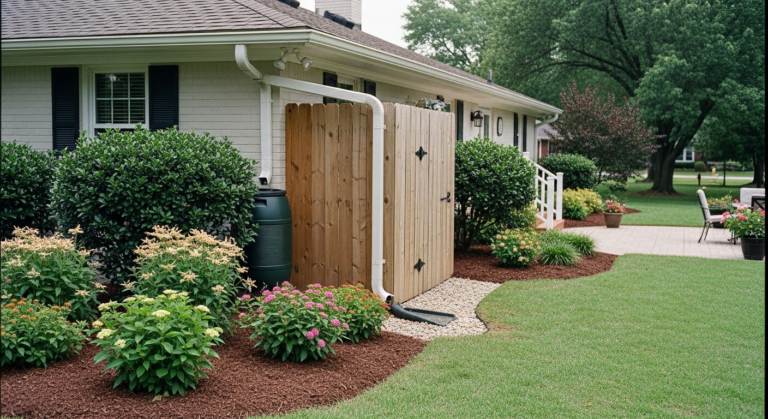
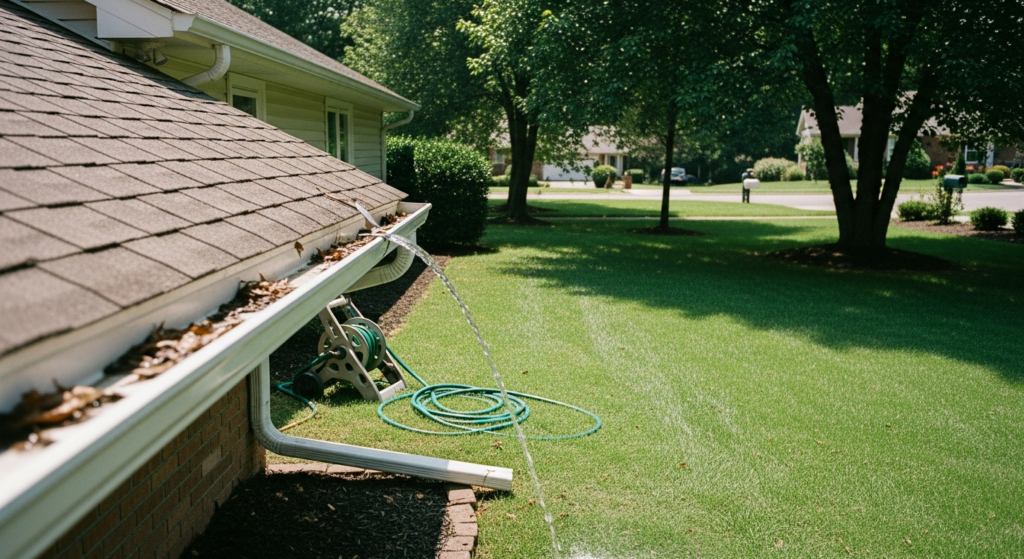
Gutter systems are a primary defense against water damage, designed to direct water at least five feet away from a home’s foundation. Regular inspections should identify loose or corroded components, any separation of the gutters from the house, ground erosion near downspouts, and the presence of debris that could impede water flow. Signs such as overflowing gutters or slow drainage indicate a need for immediate attention. While professional gutter cleaning typically costs around $150, a thorough cleaning is recommended every five years, even for homes equipped with gutter guards.
Beyond gutters, roof integrity is paramount. Homeowners should routinely inspect their roofs for missing or loose shingles, paying close attention to seams and flashing, which are common points of failure. Damaged seals around windows, chimneys, and other roof penetrations can also lead to leaks. Inside the attic, checks for missing insulation, discoloration, and mold can reveal hidden issues. Similarly, decks require attention; inspections should look for mold, mildew, popped screws, loose boards, and any wobbling in railings or stairs, as well as the critical connection point where the deck meets the house.
Exterior painting and staining are also key elements of summer maintenance. Optimal temperatures for exterior painting typically range between 50 and 90 degrees Fahrenheit. Proper preparation, including sanding, scraping, and filling, is crucial for a durable finish. A quality paint job can last up to 10 years. Deck sealants, however, have varying lifespans: clear sealants may require annual application, opaque solid stains can last three to five years, and semi-transparent stains often need reapplication every two or three years.
General summer upkeep extends to a variety of household systems and areas. This includes deep-cleaning gas grills once each season to ensure safe and efficient operation. Irrigation systems should be run and repaired as needed to maintain landscaping. Regular weeding and mulching contribute to curb appeal and plant health. Hoses and outdoor faucets should be checked for leaks, and windows and screens cleaned for improved visibility and air quality. Inside, changing HVAC filters, clearing dryer vents, washing range-hood filters, and cleaning refrigerator coils are all essential tasks that improve efficiency and prevent potential hazards.
Moisture control within the home, particularly in attics and basements, is critical in areas like Rock Hill where humidity can be high during the summer. Attics should be checked for missing insulation, holes, and uninsulated access doors. Gaps around ducts and light fixtures should be sealed with caulk to prevent air and moisture infiltration. In basements, a dehumidifier can help manage humidity levels, ideally maintaining them between 30% and 50%. Persistent moisture issues or the presence of mold may necessitate consultation with an HVAC professional. Furthermore, failing caulking around sinks, showers, and tubs should be replaced with waterproof, mold-resistant alternatives to prevent water damage and mildew growth.
The decision between undertaking do-it-yourself (DIY) projects and hiring professionals often comes down to a trade-off between time and money. Daniel Morgan of Virginia Beach, Virginia, exemplified this balance by demolishing a fence himself to save labor costs, then hiring professionals for its installation and to open his pool. He also engaged a neighborhood teenager to power-wash concrete surfaces, opting to reseal the concrete himself. This approach demonstrates how homeowners can strategically allocate resources, tackling less complex tasks themselves while entrusting more specialized or labor-intensive work to experts.
Why it matters in Rock Hill
For homeowners across Rock Hill and York County, particularly in neighborhoods like Riverwalk or Manchester Village, proactive home maintenance is not merely a matter of aesthetics but a critical component of preserving property value and ensuring structural integrity. The humid summer climate in the Piedmont region can exacerbate issues like mold, mildew, and wood rot if gutters are neglected or interior moisture is not properly managed. Deferred maintenance can lead to significant and often unexpected repair costs, impacting household budgets and potentially diverting funds from other local economic activities. Ensuring homes are well-maintained contributes to the overall stability of the housing market in Rock Hill and helps residents avoid larger financial burdens, which can be particularly relevant for employees of major local institutions such as Piedmont Medical Center or Winthrop University, who form a substantial part of the city’s homeowner base.