As August unfolds across Rock Hill, many outdoor enthusiasts are already looking ahead to the next spring, specifically to the turkey hunting season. While the actual hunting months are still distant, the summer offers a crucial window for preseason preparation, ensuring hunters are fully equipped, legally compliant, and proficient when the season arrives.
One of the foundational aspects of responsible turkey hunting involves strict adherence to state regulations. Hunters are advised to keep their hunting tags readily accessible, along with a pen, to ensure immediate and legal tagging of any harvested bird. This seemingly minor detail is critical for compliance with South Carolina’s wildlife management protocols, which are designed to maintain healthy turkey populations and ensure fair chase.
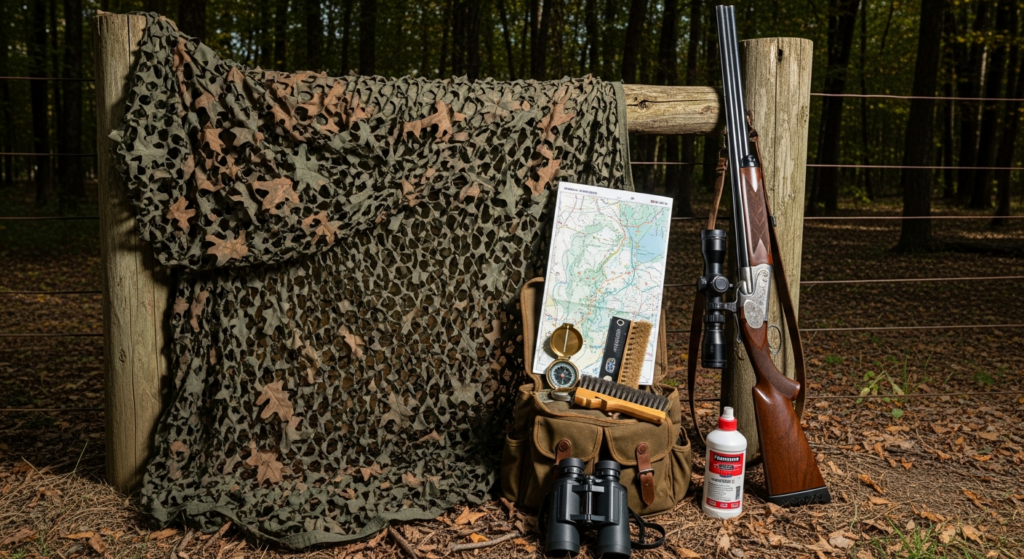
Concealment is paramount when pursuing wild turkeys, known for their exceptionally sharp eyesight. Hunters must meticulously select camouflage patterns that blend seamlessly with the specific environments found in York County and the broader Piedmont region. This includes patterns suited for hardwood ridges, common along the Catawba River watershed, as well as pine flats. Beyond clothing, covering exposed skin is vital; gloves and a face mask are indispensable for obscuring the hunter’s outline and minimizing any detectable movement that could alert a wary bird.
The choice and preparation of weaponry are equally critical. Most states, including South Carolina, permit turkeys to be taken with shotguns, muzzleloaders, or archery equipment. For shotgun users, proper patterning is non-negotiable. This involves testing various ammunition types with a properly installed turkey choke, ensuring a dense and consistent shot pattern at typical hunting distances. This practice not only confirms the shotgun’s effectiveness but also builds a hunter’s confidence in their equipment. Bowhunters, on the other hand, must ensure their setup is meticulously tuned and legal for the state. This includes practicing from realistic seated positions, which mimic actual hunting scenarios, and rigorously researching and testing broadheads for accuracy, penetration, and reliability.
Effective communication with turkeys relies on a diverse array of calls. Hunters are encouraged to carry multiple call types, each serving a distinct purpose. Diaphragm calls, slate or glass pot-and-striker calls, box calls, and even traditional wing bone calls allow hunters to mimic various turkey vocalizations, from soft yelps to aggressive gobblers, increasing the chances of luring a bird into range. Proficiency with these calls requires consistent practice, a task well-suited to the quiet months of summer.
Navigational preparedness is another pillar of successful turkey hunting. Modern mapping applications such as HuntStand and onX Hunt have become invaluable tools for identifying property boundaries, legal access points, potential roosting habitat, and travel corridors. For hunters in York County, understanding the diverse land ownership and public access points, particularly around areas like Lake Wylie and the Catawba River, is crucial. These digital tools provide a detailed overview of the terrain, helping hunters plan their approach and ensure they remain within legal hunting areas.
Beyond specialized gear, a suite of essential field equipment ensures comfort, safety, and efficiency. This includes carrying sufficient water and food, a sharp and reliable knife for field dressing and processing, and optics such as binoculars for scouting. A compact first aid kit is a non-negotiable safety item, preparing hunters for minor injuries that can occur in rugged terrain. Organizing these items efficiently is often achieved with a turkey vest or a lightweight backpack, designed to keep calls, ammunition, water, and other necessities readily accessible.
Comfort and protection from the elements are also key considerations, particularly during warmer periods of the spring season. Clothing treated with permethrin offers robust protection against ticks, which are prevalent in wooded areas. Additionally, a Thermacell device can provide relief from mosquitoes during peak insect activity, allowing hunters to remain focused and still. While these are general recommendations for outdoor activities, their importance is amplified during the often-humid conditions of spring hunts in the Piedmont.
Finally, optional gear can be tailored to individual hunting styles and expected conditions. Items like rangefinders, which provide precise distance measurements, or shooting sticks, which offer a stable shooting platform, can significantly enhance a hunter’s effectiveness. The decision to include such gear often comes down to personal preference and the specific challenges of the hunting environment.
Why it matters in Rock Hill
For Rock Hill, a community that values its natural surroundings and outdoor recreational opportunities, the diligent preparation of turkey hunters reflects a broader commitment to responsible engagement with the local environment. While hunting itself is typically conducted outside city limits in York County’s more rural areas, the ethos of preparedness, safety, and respect for wildlife resonates within the City of Rock Hill’s appreciation for its green spaces, like River Park and Glencairn Garden, which encourage outdoor activity. Local retailers specializing in outdoor gear and sporting goods also see an economic benefit from these preseason preparations, as hunters invest in equipment and supplies. This focus on readiness ensures that when the spring season arrives, hunters from Rock Hill contribute to ethical hunting practices and the sustainable management of wildlife resources across York County and the wider region. The commitment to understanding local terrain and regulations also underscores a civic responsibility towards preserving the natural heritage that defines much of the Piedmont landscape surrounding Rock Hill.