Maintaining a home and its surrounding property during the summer months involves a range of tasks that, if overlooked, can lead to significant financial costs or, more critically, personal injury. As residents across Rock Hill and York County navigate the ongoing warm weather, a detailed approach to property upkeep can prevent common accidents and structural damage.
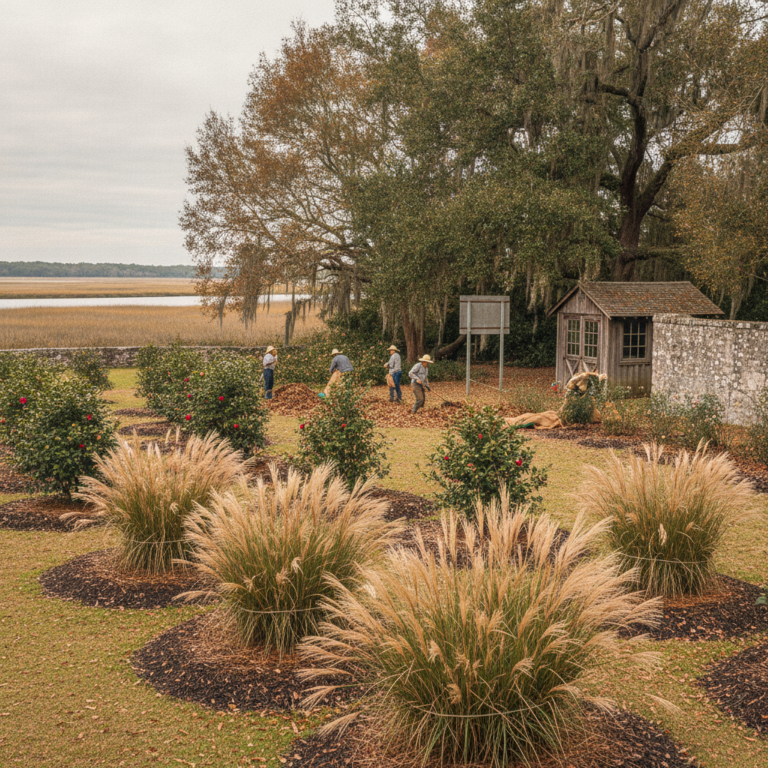
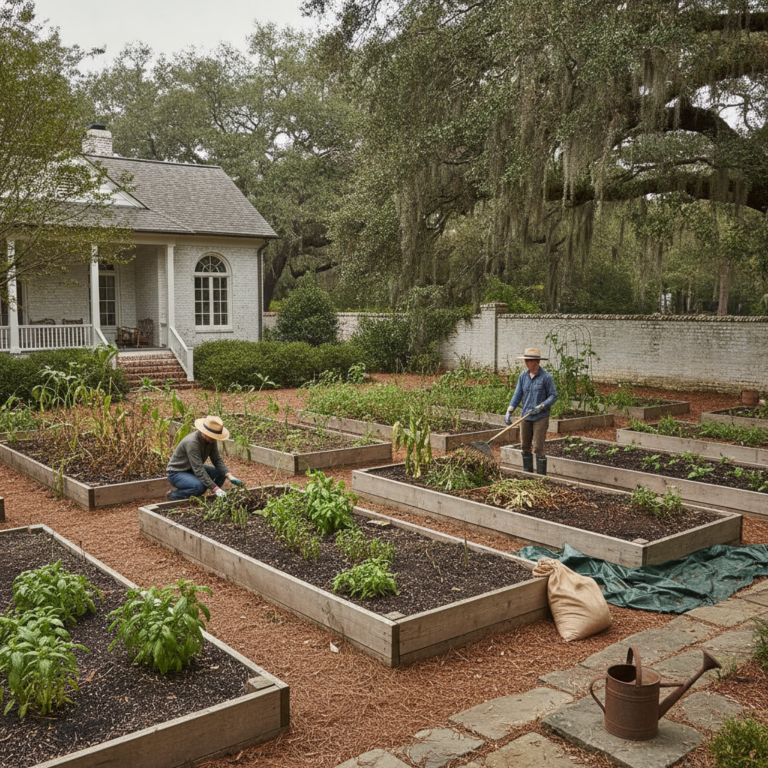
Injuries related to lawn and gardening equipment are a notable concern each year. Nationally, nearly 320,000 individuals seek emergency medical attention annually for such incidents. To mitigate these risks, homeowners are advised to familiarize themselves with all lawn and gardening equipment before use, ensuring proper safety gear, such as gloves, eye protection, and sturdy footwear, is consistently worn. Taking frequent breaks, especially during peak heat, is crucial to avoid heat-related illness. Awareness of one’s surroundings, particularly children and pets, can prevent accidental harm. Beyond personal safety, proper landscaping also protects the home itself. Grading soil so it slopes slightly away from the foundation within the first 10 feet helps direct rainwater runoff, preventing water accumulation that can compromise foundations. Additionally, removing standing water from buckets, plant pots, and low-lying areas eliminates breeding grounds for mosquitoes and reduces potential moisture damage.
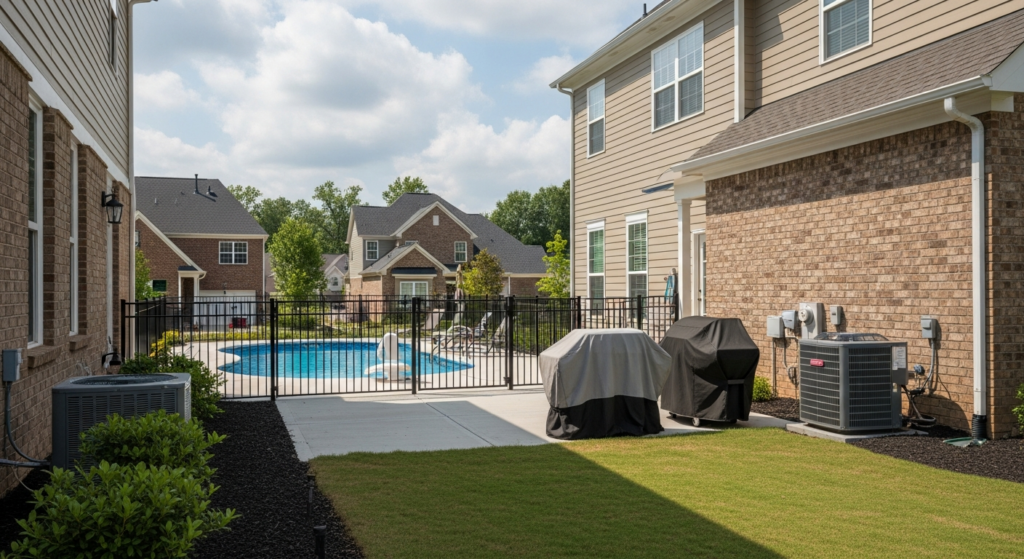
For properties featuring swimming pools, diligent maintenance is paramount to both safety and structural integrity. Before the pool season fully commences, cleaning the filter is a fundamental step. The pump filter should also be cleaned regularly, always after unplugging and shutting off the pump to prevent electrical hazards. Leaks, often subtle, can lead to substantial damage, including costly repairs and dangerous sinkholes. Approximately one in 20 pools has a detectable leak. A simple method to check for leaks involves placing a five-gallon bucket filled with water on a pool step, noting the water level inside and outside the bucket over a 24-hour period; a significant discrepancy can indicate a leak. Furthermore, inspecting trees near or over the pool area is vital, as falling branches can cause severe damage to the pool structure or injure swimmers.
The exterior of a home requires consistent attention. Cleaning gutters and downspouts regularly, and rechecking them after significant rainstorms, ensures proper water drainage away from the house, preventing fascia damage and foundation issues. For homes with playsets, a thorough inspection is critical, particularly given that about 50,000 children visit emergency rooms annually for playground injuries, with approximately 80% of these resulting from falls. Homeowners should tighten nuts and bolts, oil moving parts, check protective caps and plugs, and replace any warped, cracked, or deteriorated components to ensure structural soundness. Pressure washing can effectively remove mold and mildew from siding and walkways, improving aesthetics and preventing surface degradation. A professional roof inspection is recommended to identify and repair damaged shingles or potential water leaks before they escalate. Finally, addressing chipped paint or rotted wood promptly protects the underlying structure from further decay and pest infestation.
Outdoor cooking, a popular summer activity, necessitates strict safety protocols. Gas, electric, and charcoal grills should always be placed at least three feet away from children and pets, as well as from homes, deck railings, and tree branches. Grills should never be left unattended while in use. Regular cleaning before cooking, including emptying grease traps, is essential to reduce the risk of flare-ups and dangerous grease fires.
Similarly, fire pits and campfires, while offering ambiance, demand careful management. Keeping a hose or a five-gallon bucket of water nearby provides an immediate means of extinguishing embers. Fires should never be left unattended and must be fully extinguished before leaving the area. Limiting fires to three feet in diameter and two feet in height helps contain them. Utilizing a stone- or brick-confined pit or a portable outdoor fireplace equipped with a screen adds an extra layer of safety. It is also crucial to remove all flammable materials and dry leaves from the immediate vicinity of the fire pit.
Inside the home, security and environmental control are key. Maintaining and properly locking the garage door is a fundamental security measure. Removing valuables from vehicles, even when parked in a locked garage, adds another layer of protection against theft. Monitoring indoor humidity levels with a hygrometer is advisable, as the recommended range is between 30% and 60%. Higher humidity can significantly increase the risk of mold growth, wood rot, and pest infestations. Employing a dehumidifier when humidity levels climb above the ideal range can mitigate these issues.
Finally, the efficient operation of air conditioning systems is vital for comfort and health during Rock Hill’s hot summer months. Having a licensed HVAC technician inspect air-conditioning systems or window units before the onset of hot weather ensures they are running optimally. Scheduling these inspections before the busy season begins can help avoid delays and ensure timely service, preventing breakdowns when cooling is most needed.
Why it matters in Rock Hill
The proactive approach to home maintenance outlined in these guidelines holds particular relevance for property owners across Rock Hill. With a diverse housing stock ranging from historic homes in areas like Old Town to newer developments in neighborhoods such as Riverwalk and Manchester Village, the potential for varied maintenance needs is significant. Neglecting these tasks can lead to increased calls for emergency services, placing additional strain on resources like Piedmont Medical Center for injury treatment or the Rock Hill Fire Department for preventable incidents. Furthermore, maintaining property values and ensuring the safety of families, particularly children who might be using playsets or enjoying backyard activities, directly impacts the quality of life in communities throughout Rock Hill. Adhering to these practices safeguards individual homes and contributes to the overall well-being and resilience of the city’s residential landscape.