As summer fishing activity continues across York County and the broader Rock Hill area, anglers are reminded to prioritize safety on the water. With elevated temperatures and the potential for sudden weather shifts, a new set of guidelines underscores critical measures for staying safe and practicing responsible angling.
Central to the recommendations is maintaining adequate hydration. Anglers are advised to begin their day well-hydrated, consuming at least eight glasses of water daily, and increasing this intake significantly during periods of heavy sweating. Carrying an insulated water bottle is suggested to keep fluids cool, and considering electrolyte drinks or tablets can help replenish essential salts lost through perspiration. The guide specifically cautions against consuming caffeine and alcohol, both of which can contribute to dehydration. Incorporating water-rich fruits and vegetables into one’s diet is also recommended to support overall hydration.
Sun protection is another paramount concern. Individuals spending time outdoors, particularly during peak sun hours, should apply broad-spectrum sunscreen with an SPF of at least 30 to all exposed skin. This application should occur 15 to 30 minutes before heading outside and be reapplied every two hours, or more frequently if sweating heavily or after water exposure. Beyond sunscreen, UV-protective sunglasses are crucial for eye health, and protective clothing, such as long-sleeved shirts and pants, can offer an additional barrier against harmful rays. Taking shaded breaks and minimizing direct sun exposure between 10 AM and 4 PM are also key strategies to mitigate sun-related risks.
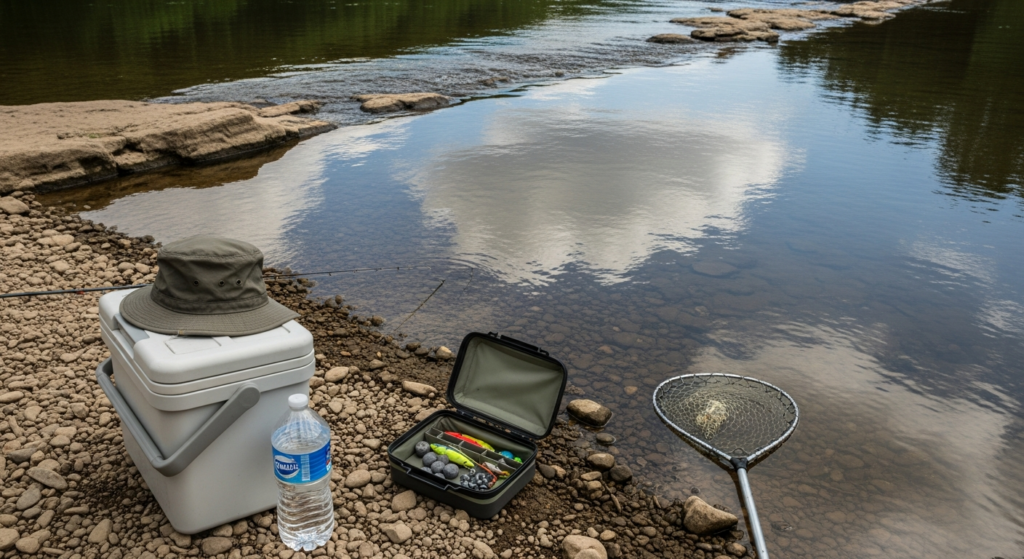
Appropriate attire plays a significant role in comfort and safety. Light-colored, loose-fitting, and breathable fabrics, including moisture-wicking materials, are highly recommended to help regulate body temperature. UV-protective garments offer specialized defense against solar radiation. A wide-brimmed hat provides shade for the face and neck, while a buff or neck gaiter can protect the neck and ears. For footwear, lightweight options with good grip are essential, and water shoes are specifically suggested for those planning to wade in local waterways like the Catawba River or Lake Wylie.
Recognizing the symptoms of heat exhaustion is vital for prompt intervention. Anglers should be aware of signs such as heavy sweating, weakness, dizziness, nausea, headache, and muscle cramps. If these symptoms appear, immediate action is necessary to prevent progression to more severe heat stroke. Recommended responses include moving to a shaded or air-conditioned area, slowly drinking cool water or an electrolyte solution, applying cool wet cloths to the skin, taking a cool shower or bath, and loosening any restrictive clothing. Medical attention should be sought if symptoms do not improve or worsen.
Weather awareness is non-negotiable for anyone planning to fish in the Rock Hill area. Checking local weather forecasts, heat advisories, and severe-weather alerts before and during a trip is crucial. Anglers should also consult tide charts for coastal fishing (though less relevant for inland Rock Hill) and river conditions for local bodies of water. Utilizing a weather radio or smartphone alerts can provide real-time updates. Planning trips for cooler periods, such as early morning or late afternoon, can significantly reduce heat exposure. Employing a buddy system ensures that someone is aware of an individual’s whereabouts and can assist in an emergency.
Carrying essential gear can make a substantial difference in an unexpected situation. A well-stocked first-aid kit, containing bandages, antiseptics, pain relievers, and any personal medications, is fundamental. Sufficient water and high-energy snacks are critical for sustained activity. A cooler with ice packs can keep drinks and snacks cool, and a portable fan or misting device can offer personal cooling. Sunscreen, hats, and sunglasses are, again, emphasized. A multi-tool or fishing knife, extra clothing, and a lightweight waterproof jacket are also recommended to address various contingencies.
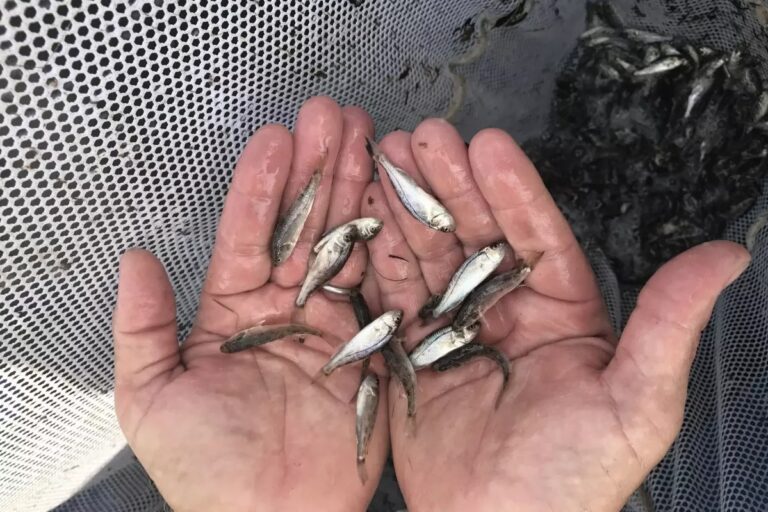
Beyond personal safety, responsible fishing practices are integral to preserving local aquatic ecosystems. Anglers are encouraged to use barbless hooks or to crimp hook barbs to minimize harm to fish. When handling fish, wetting hands beforehand helps protect their protective slime coat, and avoiding contact with gills and eyes reduces stress and injury. Properly supporting the fish’s body, especially larger specimens, and limiting its time out of water are crucial for its survival. Using a landing net can facilitate a quick and safe release. Preparing cameras before taking photos ensures that the fish is returned to the water as swiftly as possible. Adhering to catch limits and seasonal restrictions, as well as practicing catch and release when appropriate—especially for larger, breeding-age fish—contributes to healthy fish populations in Lake Wylie and the Catawba River.
Why it matters in Rock Hill
The emphasis on summer fishing safety directly impacts the well-being of residents and visitors who frequent Rock Hill’s numerous waterways and parks, including popular spots like Ebenezer Park and River Park. With the Catawba River and Lake Wylie serving as significant recreational hubs, understanding and implementing these safety guidelines is crucial for preventing heat-related illnesses, which can strain local emergency services and healthcare providers like Piedmont Medical Center. Moreover, responsible fishing practices ensure the long-term health and sustainability of aquatic life in these vital natural resources, preserving the recreational opportunities that contribute to the quality of life in Rock Hill for years to come. Adherence to these recommendations safeguards individual health and supports the ecological integrity of the region’s cherished natural environment.