How to Choose the Best DIY Roof Repair Techniques to Save You Money
Roof repair can seem daunting, but a DIY approach can save homeowners significant money. Choosing the right techniques for roof repair involves understanding the type of damage, the materials involved, and the required tools. This guide will explore effective DIY roof repair techniques that can be executed with minimal costs and expert-level efficiency.
Identify the Type of Damage
The first step in any roof repair is to accurately identify the type of damage your roof has sustained. Common issues include:
Leaks
Leaks are among the most frequent problems. They can result from broken shingles, gaps in the flashing, or damaged seam seals. Identifying the leak’s source is vital for effective repair.
Missing or Damaged Shingles
Shingles can crack or be blown off during storms. Inspecting shingles for wear is crucial to ensure they’re still providing adequate protection.
Cracked Flashing
Flashing, the material used to prevent water from entering the house at junctions, can crack or warp. Damaged flashing needs to be replaced to prevent leaks.
Ponding Water
Flat roofs are prone to ponding water, leading to leaks and structural damage. Addressing drain clogs and ensuring proper drainage are essential to mitigate this risk.
Choose Appropriate Repair Techniques
Once you have identified the damage type, choose the appropriate repair technique. Below are some effective DIY methods:
Sealant Application
If you discover minor leaks or cracks, a high-quality roofing sealant can be used. Select a sealant suited for your roofing material to ensure a durable bond. Clean the area before applying the sealant for optimal results.
Replacing Shingles
For missing or damaged shingles, replacement is often the best solution. Follow these steps:
- Gather Materials: Purchase matching shingles and roofing nails.
- Remove the Damaged Shingle: Carefully pry up surrounding shingles and remove the damaged one.
- Install the New Shingle: Slide the new shingle into place and secure it with nails.
Flashing Repair
When dealing with cracked flashing, consider the following repair options:
- Sealant: Apply a high-quality roofing sealant to cracks.
- Replace Flashing: If the cracks are extensive, it may be necessary to remove the old flashing and install new pieces.
Ponding Water Management
For flat roofs with ponding water, performing regular maintenance is vital:
- Clear Debris: Regularly remove leaves, dirt, and other debris from the roof surface and drainage areas.
- Add Additional Drains: If necessary, consider installing more drains or scuppers to facilitate water flow.
Gather Your Tools
Successful DIY roof repair requires the right tools. The following items are essential:
Safety Equipment
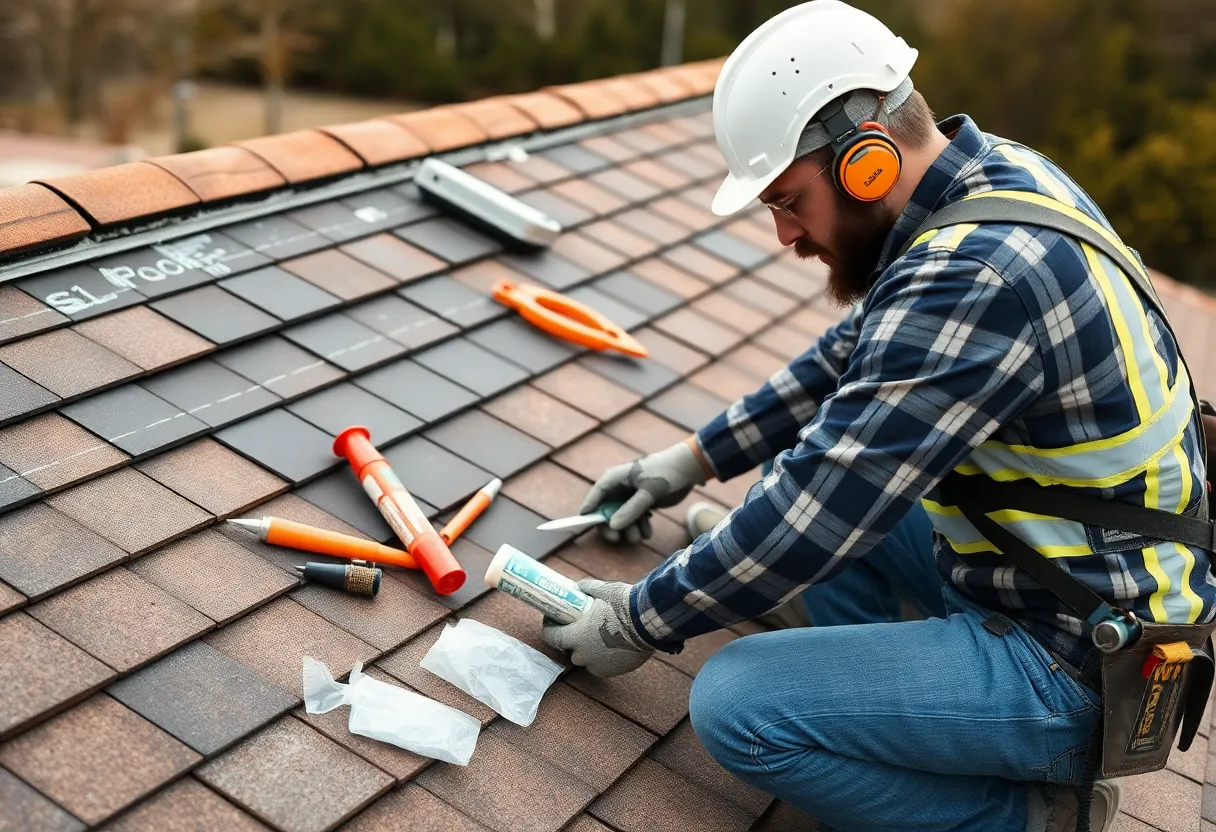
Safety should always come first. Use a sturdy ladder, wear a hard hat, and utilize non-slip footwear.
Basic Roofing Tools
- Nail Gun: For securely fastening shingles.
- Utility Knife: For cutting shingles and flashing.
- Caulking Gun: To apply sealant effectively.
- Measuring Tape: To measure materials accurately.
Roofing Materials
Purchase high-quality materials suited for your roof type. Consider cost-effectiveness without compromising quality.
Know When to Seek Professional Help
While many repairs can be completed through DIY methods, some situations may require professional assistance:
Extensive Damage
If your roof has experienced extensive damage or if multiple issues are present, it might be best to consult a roofing contractor.
Safety Concerns
If safety is a concern due to height or weather conditions, hiring an experienced professional is advisable.
Structural Issues
For structural problems beneath the rooftop, it is crucial to get a professional opinion to avoid compromising the safety of your home.
Prevent Future Roof Damage
Once repairs are completed, focus on maintenance to prevent future issues:
Regular Inspections
Conduct regular roof inspections, ideally twice a year and after severe weather. Look for signs of wear or damage, and address issues promptly.
Clean Gutters
Keep gutters clear to ensure that water flows freely and does not back up onto the roof.
Trim Overhanging Branches
Overhanging tree branches can cause damage to roofs, especially in high winds. Regularly trim back branches to minimize risk.
Cost-Effective Alternatives
Explore cost-effective materials and techniques to keep expenses low. Often, investing a small amount in quality materials will pay off in longevity and performance.
Use Reusable Materials
When replacing shingles or flashing, consider using recycled or reclaimed materials. They may offer a lower cost option without sacrificing quality.
Consider DIY Roofing Kits
Many manufacturers offer DIY roofing kits that include all necessary materials and instructions. These can simplify the repair process and reduce costs.
Conclusion
Choosing the best DIY roof repair techniques involves identifying damage types, selecting appropriate repair methods, and gathering the right tools. Through careful planning and execution, homeowners can effectively manage roof repairs without incurring high expenses. Remember, safety and professional guidance are paramount, particularly in challenging situations. Taking preventative measures such as regular inspections and maintenance can further enhance your roof’s longevity and performance. By applying these principles and techniques, you can effectively save money on roof repairs while ensuring your home remains safe and secure.

Author: STAFF HERE ROCK HILL
The ROCK HILL STAFF WRITER represents the experienced team at HERERockHill.com, your go-to source for actionable local news and information in Rock Hill, York County, and beyond. Specializing in "news you can use," we cover essential topics like product reviews for personal and business needs, local business directories, politics, real estate trends, neighborhood insights, and state news affecting the area—with deep expertise drawn from years of dedicated reporting and strong community input, including local press releases and business updates. We deliver top reporting on high-value events such as the Come-See-Me Festival, Rock Hill Arts Festival, and motorsport events at the Rock Hill Velodrome. Our coverage extends to key organizations like the Rock Hill Chamber of Commerce and the Culture & Heritage Museums, plus leading businesses in manufacturing and technology that power the local economy such as 3D Systems and Comporium. As part of the broader HERE network, including HEREAiken.com, HEREBeaufort.com, HEREChapin.com, HERECharleston.com, HEREClinton.com, HEREColumbia.com, HEREGeorgetown.com, HEREGreenwood.com, HEREGreenville.com, HEREHiltonHead.com, HEREIrmo.com, HEREMyrtleBeach.com, HERENewberry.com, HERERockHill.com, and HERESpartanburg.com, we provide comprehensive, credible insights into South Carolina's dynamic landscape.
 Mays Contracting