How to Successfully Design Your Roof for Maximum Wind Resistance
Wind exposure is a crucial factor in roofing design, especially in areas prone to severe weather. A roof designed with wind resistance in mind can enhance longevity, prevent damage, and ensure safety. This article outlines key strategies to effectively design your roof for maximum wind resistance.
Understanding Wind Forces on Roofs
Wind loads exert a pressure on structures, which can vary based on the wind speed, direction, and the building’s shape. Understanding how wind interacts with roofs is essential for proper design.
- Pressure and Suction: Winds create both positive pressure on the windward side and negative pressure (suction) on the leeward side of the roof. Roofs must be designed to withstand these forces without structural failure.
- Building Height: Taller structures face stronger wind forces. Wind speed increases with height, making wind resistance critical for high-rise buildings.
- Local Wind Patterns: Areas with a history of strong gusts require design considerations specifically tailored to those conditions.
Choosing the Right Roofing Materials
Selection of materials plays a pivotal role in the ability of a roof to resist wind damage. Opt for materials that can withstand wind pressures and resist uplift forces.
Recommended Materials
- Metal Roofing: Lightweight yet durable, metal roofs can shed wind easily and are less likely to lift off during storms.
- Asphalt Shingles: Opt for premium, high-wind-rated asphalt shingles designed to stay attached in hurricane-force winds.
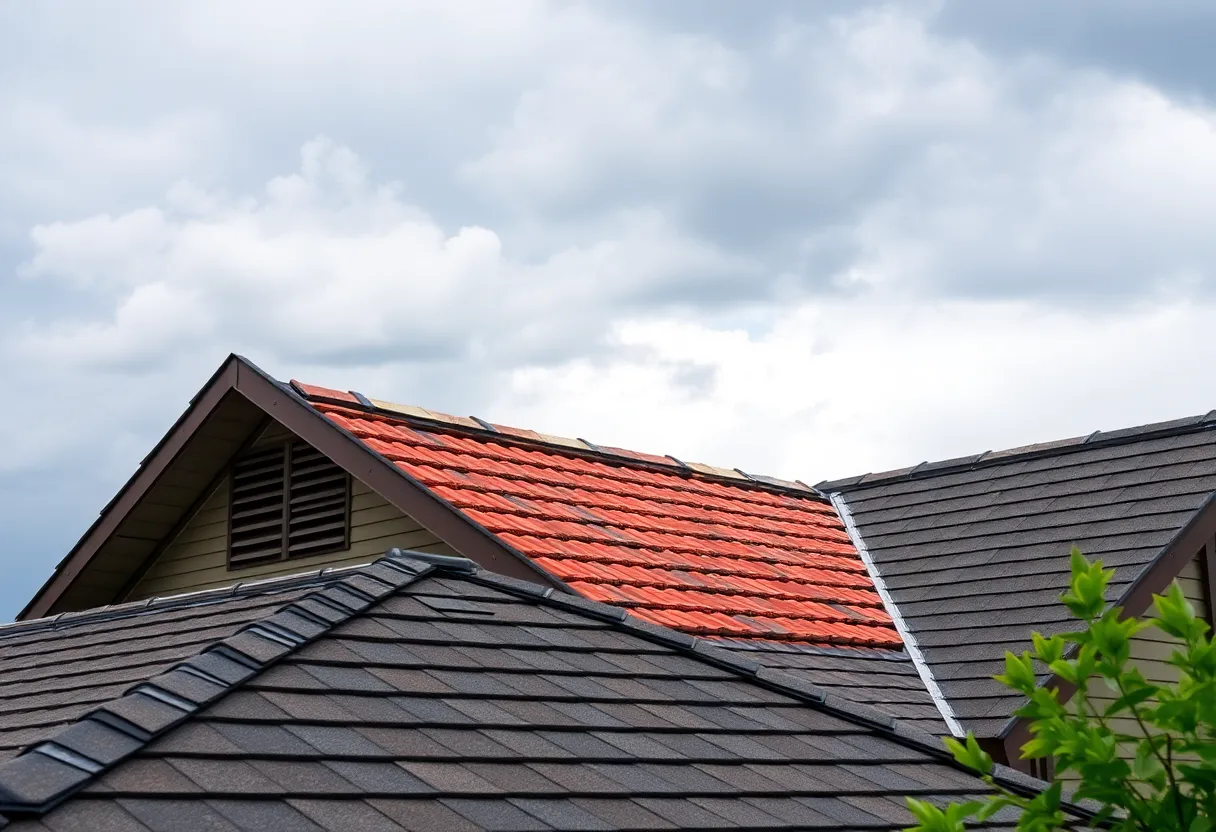
- Tile Roofing: Clay or concrete tiles can provide excellent durability and wind resistance, provided they are properly installed.
Recommended Materials
Brick and Concrete: Utilizing these materials in combination with roof systems can significantly increase integrity against wind uplift. The heavy weight and interlocking nature provide added resistance.
Roof Design Principles
The shape and structure of a roof significantly affect its wind resistance capabilities. Design choices can either mitigate or exacerbate wind uplift risks.
Roof Shape
- Pitched Roofs: Sloped roofs help redirect wind away from the structure, reducing the likelihood of uplift. A pitch of at least 3:12 is recommended.
- Gable Roofs: These are common and effective, but they must be braced properly at the eaves to avoid lifting.
- Dome and Arched Roofs: These shapes can deflect wind and are ideal for wind-prone areas.
Roof Overhangs
While roof overhangs can provide shade and protection from rain, excessive overhang can increase wind uplift. It is vital to design overhangs that minimize wind exposure yet offer adequate coverage.
Proper Installation Techniques
Even the best materials and designs can fail due to improper installation.
Installation Tips
- Sealing and Fastening: Use approved fasteners and ensure all materials are properly sealed to prevent wind from infiltrating.
- Underlayment: Install a high-quality underlayment beneath shingles to provide additional protection and enhance adherence.
- Overlap and Interlock: Ensure that shingles have adequate overlap and interlocking properties to prevent wind from lifting them.
Enhancing Structural Integrity
Integrating structural elements into the roof design can bolster its resistance to wind.
Structural Reinforcement
- Ridge and Eave Bracing: Establishing bracing at these points enhances the overall stability of the roof.
- Cross-Bracing: Installing cross-bracing in the roof’s framing provides additional stiffness against wind forces.
- Hurricane Ties: Connecting rafters to the walls using hurricane ties can prevent uplift during high winds.
Landscaping and Surrounding Structures
External factors such as trees and nearby buildings can influence roof performance in windy conditions.
Hedges and Trees
- Buffer Zones: Planting trees or hedges strategically serves as a windbreak, lessening wind speeds before hitting the roof.
- Avoiding Risks: Avoid planting large, heavy trees close to the structure to reduce the risk of falling branches during storms.
Nearby Buildings
Assess the orientation of surrounding buildings. Structures that can deflect wind away from the roof can reduce the risk of damage during high winds.
Regular Maintenance and Assessments
Maintaining a roof is crucial for long-term wind resistance. Regular inspections can identify potential weaknesses before severe weather hits.
Inspection Checklist
- Check Flashing: Ensure all flashing materials are intact and securely fastened to prevent water infiltration.
- Visual Inspections: Regularly examine shingles for wear and damage that could compromise wind integrity.
- Lichen and Mold Control: Control lichen, mold, or algae growth that can deteriorate roofing materials over time.
Conclusion
Designing a roof for maximum wind resistance requires careful consideration of materials, shape, and installation techniques. By prioritizing wind resistance from the planning stages through to regular maintenance, property owners can protect their investments and ensure safety during storms. Ultimately, a wind-resistant roof is not merely a design choice—it’s a crucial aspect of ensuring the resilience of your structure against nature’s forces.

Author: STAFF HERE ROCK HILL
The ROCK HILL STAFF WRITER represents the experienced team at HERERockHill.com, your go-to source for actionable local news and information in Rock Hill, York County, and beyond. Specializing in "news you can use," we cover essential topics like product reviews for personal and business needs, local business directories, politics, real estate trends, neighborhood insights, and state news affecting the area—with deep expertise drawn from years of dedicated reporting and strong community input, including local press releases and business updates. We deliver top reporting on high-value events such as the Come-See-Me Festival, Rock Hill Arts Festival, and motorsport events at the Rock Hill Velodrome. Our coverage extends to key organizations like the Rock Hill Chamber of Commerce and the Culture & Heritage Museums, plus leading businesses in manufacturing and technology that power the local economy such as 3D Systems and Comporium. As part of the broader HERE network, including HEREAiken.com, HEREBeaufort.com, HEREChapin.com, HERECharleston.com, HEREClinton.com, HEREColumbia.com, HEREGeorgetown.com, HEREGreenwood.com, HEREGreenville.com, HEREHiltonHead.com, HEREIrmo.com, HEREMyrtleBeach.com, HERENewberry.com, HERERockHill.com, and HERESpartanburg.com, we provide comprehensive, credible insights into South Carolina's dynamic landscape.
 Mays Contracting