What Are the Best Strategies for DIY Roof Inspection?
A roof inspection is an essential part of maintaining your home. Properly assessing your roof’s condition can help identify potential problems before they escalate into costly repairs. This guide outlines the best strategies for conducting your own DIY roof inspection.
Understanding the Importance of Roof Inspections
Regular roof inspections play a critical role in extending the lifespan of your roof. Homes are exposed to various weather conditions, which can lead to wear and tear over time. A proactive approach to roof maintenance helps in:
- Detecting Leaks Early: Small leaks can cause significant damage if not addressed promptly.
- Preventing Mold Growth: Moisture accumulation can lead to mold that affects air quality and structural integrity.
- Increasing Property Value: A well-maintained roof adds to the overall value of your home.
Timing Your Inspection
The timing of your roof inspection can significantly influence its effectiveness. Consider these guidelines:
Seasonal Checks
Inspect your roof at least twice a year—preferably in the spring and fall. These seasons typically provide stable weather, allowing for a thorough examination without interference from extreme conditions.
Post-Storm Evaluations
After severe weather events—like heavy rain, snow, or hail—conduct a roof inspection to check for damage that may have occurred. Prompt evaluation can help mitigate further issues.
Preparing for a Roof Inspection
Before you ascend your roof, adequate preparation is essential. Follow these steps:
Gather Necessary Tools
Equip yourself with the following tools:
- Ladder: A sturdy ladder is crucial for accessing the roof safely.
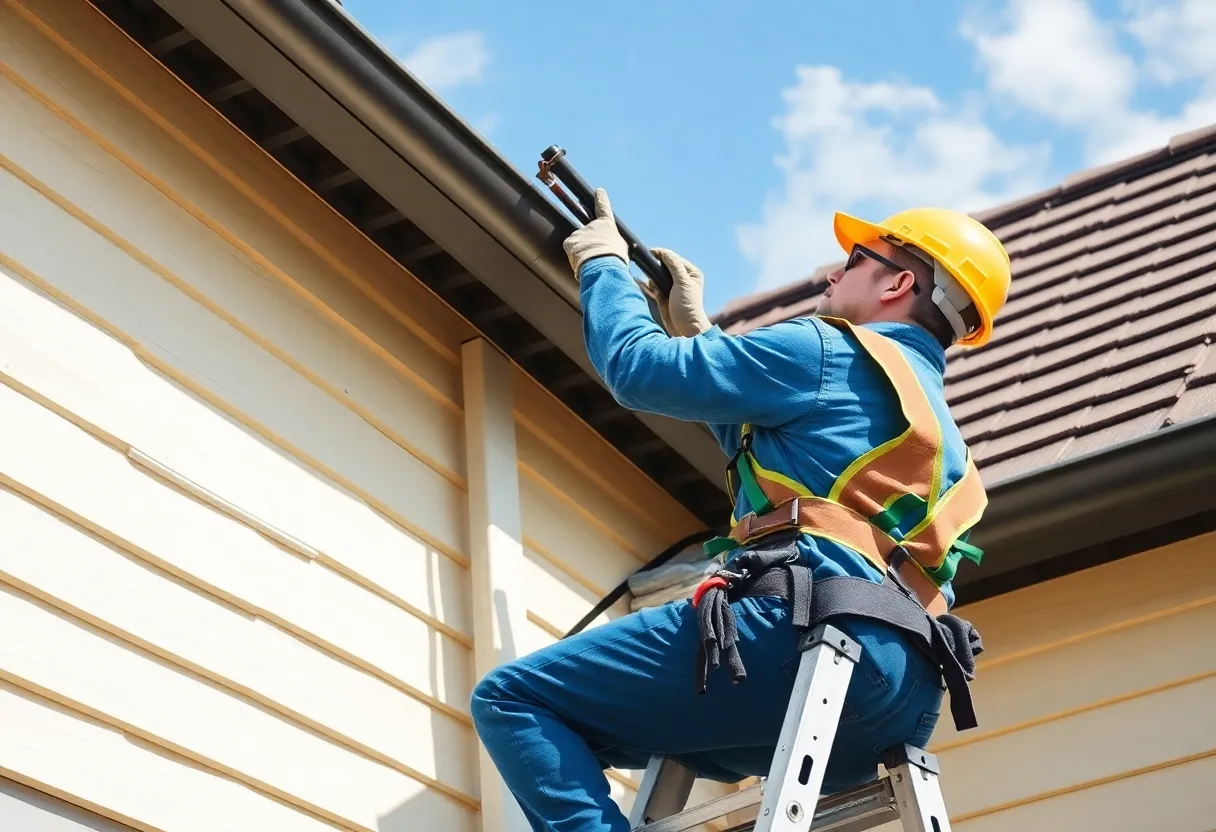
- Safety Gear: Use gloves, non-slip shoes, a hard hat, and safety goggles.
- Inspection Tools: A flashlight, a tape measure, and a notepad for taking notes.
Check the Weather
Choose a clear day for your inspection. Wet or windy conditions can make roof evaluations dangerous. Aim for dry conditions to enhance safety and visibility.
Conducting the Visual Inspection
Once adequately prepared, proceed with your inspection. Follow these steps for an effective evaluation:
Inspect from the Ground First
Begin your assessment from the ground level. Look for visible signs of damage, including:
- Missing or Broken Shingles: Inspect for any shingles that are out of place or have visible damage.
- Dirt and Debris: Accumulation of leaves or branches can indicate potential drainage issues.
- Gutters and Downspouts: Check for blockages which may cause water backup.
Ascending the Roof
When climbing onto the roof, take your time and ensure your ladder is stable. Once on the roof, look for:
- Shingle Condition: Examine shingles for curling, cracking, or granule loss.
- Flashing Integrity: Check flashing around chimneys, vents, and edges for rust or separation.
- Water Accumulation: Note areas where water may pool, indicating drainage issues.
Identifying Common Roof Problems
During your inspection, be aware of common roof problems that can arise:
Leaks and Water Damage
Look for signs of leaks such as:
- Stains on Ceilings or Walls: These can indicate water entering your home from the roof.
- Wet Insulation: Touch the insulation to check for dampness, which may suggest leaks.
Roof Pests
Inspect for signs of infestations, such as:
- Birds and Squirrels: These can cause significant damage to roofing materials.
- Termite Damage: Check wooden components for soft spots or visible insects.
Documenting Your Findings
Keeping a detailed record of your inspection is critical for future reference. Create a system to document your insights:
Photographic Evidence
Use your smartphone or camera to capture images of any damage you observe. This visual documentation can aid in repairs or when consulting with professionals.
Reporting Issues
Make a list of all concerns, prioritizing which need immediate attention. Include details such as locations and descriptions of the problems.
Taking Action After Inspection
Following your inspection, decide on the best course of action:
DIY Repairs
If you are confident in your skills, consider conducting minor repairs yourself, such as:
- Replacing Missing Shingles: Purchase matching shingles to maintain aesthetic consistency.
- Fixing Flashing: Employ roofing cement to seal cracked or loose areas.
Consult Professionals for Major Issues
For major repairs that exceed your capabilities or comfort level, hire a licensed roofing contractor. Provide them with your documentation to facilitate discussions about needed work.
Safety Considerations
Safety must be your priority during roof inspections. Adhere to the following guidelines:
Use Proper Equipment
Always utilize safe and functional equipment. Choose a stable ladder and wear appropriate safety gear to reduce risks.
Don’t Work Alone
Whenever possible, have someone accompany you. In case of an emergency, having a partner can make a significant difference.
Conclusion
A DIY roof inspection can save homeowners significant money and time by detecting issues early. By utilizing the strategies outlined in this guide, you will be well-equipped to conduct an effective roof assessment. Stay proactive in your maintenance efforts to ensure your roof remains in top condition for years to come.

Author: STAFF HERE ROCK HILL
The ROCK HILL STAFF WRITER represents the experienced team at HERERockHill.com, your go-to source for actionable local news and information in Rock Hill, York County, and beyond. Specializing in "news you can use," we cover essential topics like product reviews for personal and business needs, local business directories, politics, real estate trends, neighborhood insights, and state news affecting the area—with deep expertise drawn from years of dedicated reporting and strong community input, including local press releases and business updates. We deliver top reporting on high-value events such as the Come-See-Me Festival, Rock Hill Arts Festival, and motorsport events at the Rock Hill Velodrome. Our coverage extends to key organizations like the Rock Hill Chamber of Commerce and the Culture & Heritage Museums, plus leading businesses in manufacturing and technology that power the local economy such as 3D Systems and Comporium. As part of the broader HERE network, including HEREAiken.com, HEREBeaufort.com, HEREChapin.com, HERECharleston.com, HEREClinton.com, HEREColumbia.com, HEREGeorgetown.com, HEREGreenwood.com, HEREGreenville.com, HEREHiltonHead.com, HEREIrmo.com, HEREMyrtleBeach.com, HERENewberry.com, HERERockHill.com, and HERESpartanburg.com, we provide comprehensive, credible insights into South Carolina's dynamic landscape.
 Mays Contracting