How to Successfully Design Your Roof for Maximum Snow Load Safety
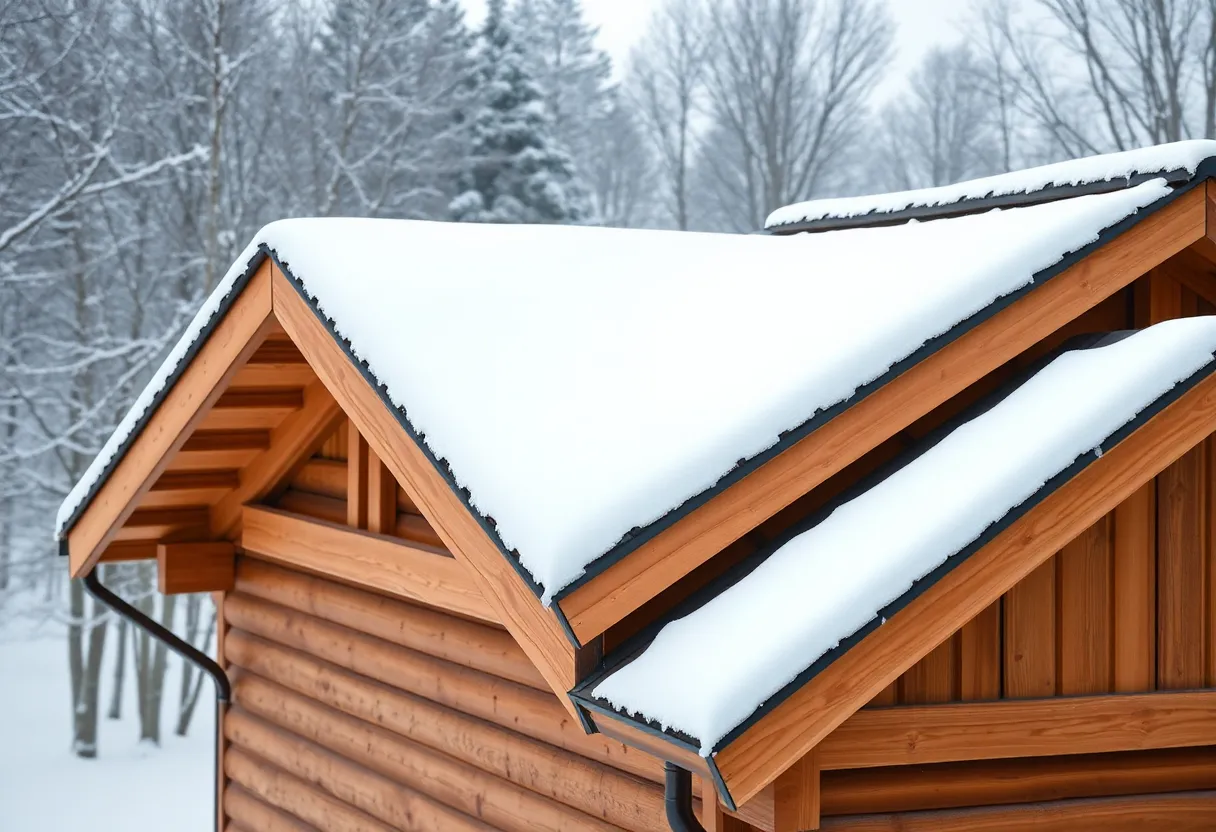
As winter approaches, the importance of a well-designed roof to handle snow loads cannot be overstated. Snow accumulation on roofs can lead to structural damage, safety hazards, and costly repairs. Understanding the principles of snow load design is essential for homeowners, builders, and architects. This article outlines the key considerations for effectively designing a roof that can safely support snow loads.
Understanding Snow Loads
Snow load refers to the weight of snow that accumulates on a roof. It is crucial to recognize that snow load can vary based on geographical location, roof design, and climate. Snow load factors include:
- Ground Snow Load: The weight of snow on the ground, typically measured in pounds per square foot (psf).
- Exposure Factor: Adjusts the ground snow load based on the roof’s exposure to wind.
- Roof Slope Factor: Affects how snow accumulates on the roof; flat roofs tend to collect more snow compared to steep roofs.
Key Factors in Roof Design for Snow Load
1. Determine Local Snow Load Requirements
Consulting local building codes is critical. These codes often provide specific guidelines based on the area’s historical data regarding snow loads. Understanding this information allows builders to design roofs that meet safety standards. Adhering to these specifications ensures structural integrity under snow accumulation.
2. Select Appropriate Roof Slope
Roof slope significantly affects snow accumulation. A steep slope reduces the chance of snow buildup. Consider the following:
- Slopes 4:12 and Greater: Snow slides off quickly, reducing the weight on the roof.
- Flatter Slopes: These may require design considerations for additional load-bearing capacity.
Designing a roof with an adequate pitch is beneficial in regions that experience heavy snowfall, as this minimizes the risk of overload.
3. Choose Robust Roof Materials
The choice of roofing material also plays a crucial role in handling snow loads. Some materials may allow for effective snow shedding while others may not. Consider using:
- Metal Roofing: Known for its low-friction surface, encouraging snow to slide off.
- Asphalt Shingles: Provide good weight-bearing capacity but may hold snow unless the slope is steep.
- Tiles: Consider the weight they add to the roof structure, as they can be heavier.
4. Structural Framework Considerations
A roof’s framing system must be designed to support snow loads effectively. Here are essential elements:
- Trusses and Rafters: These should be adequately spaced and sized to accommodate the weight of snow. Use engineered wood products for enhanced strength.
- Load Distribution: Ensure that weight is evenly distributed along walls and supports to prevent localized failures.
Snow Retention and Management Techniques
1. Snow Guards and Retention Systems
In areas prone to heavy snowfall, installing snow guards can prevent snow from sliding off suddenly and causing injury or damage. Snow retention systems help manage snow load by holding it in place until it melts gradually. This reduces the risk of sudden snow slides that can pose risks to people and property below.
2. Snow Removal Strategies
Regular snow removal is essential to prevent catastrophic roof failure. Consider these strategies:
- Manual Removal: Use a roof rake to clear snow from ground level, avoiding roof access when possible.
- Professional Services: Hiring roof snow removal services may be necessary for steep or large roofs.
Common Design Mistakes to Avoid
Even with thorough planning, several common errors can compromise a roof’s ability to handle snow loads:
- Ignoring Local Building Codes: Always adhere to the specific snow load requirements detailed in local regulations.
- Insufficient Framing: Underestimating the need for stronger structural supports can lead to devastating failures.
- Neglecting Roof Maintenance: Regular inspections and maintenance are crucial for ensuring that all snow management systems are functional.
Regular Roof Maintenance
Post-snow season, it’s vital to conduct regular maintenance checks on your roof. Inspection and maintenance help identify potential issues before they become serious problems. Critical areas to inspect include:
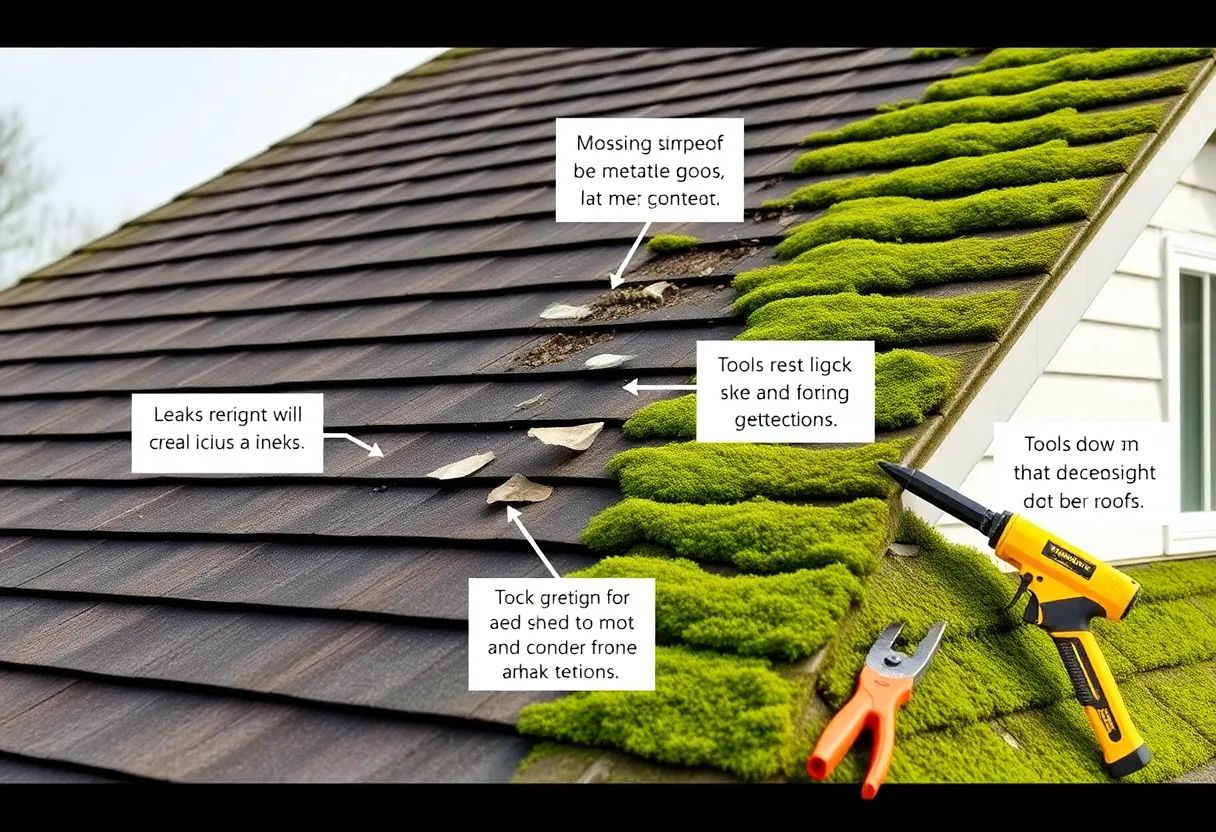
- Flashing and Sealant: Check for damages or wear that could lead to leaks.
- Gutters and Drainage: Ensure they are free from blockages that can lead to ice dams or further snow accumulation.
- Structural Integrity: Look for signs of sagging or stress in the roof framework.
Conclusion
Designing a roof to handle snow loads requires careful consideration of various factors, including local snow load requirements, roof slope, material choice, and structural integrity. By proactively addressing these factors and planning for snow management, builders and homeowners can ensure the safety and longevity of their roofs. Regular maintenance after snowfall is just as critical in maintaining safety and preventing problems. Implementing these strategies fosters a safer environment during the winter months.

Author: STAFF HERE ROCK HILL
The ROCK HILL STAFF WRITER represents the experienced team at HERERockHill.com, your go-to source for actionable local news and information in Rock Hill, York County, and beyond. Specializing in "news you can use," we cover essential topics like product reviews for personal and business needs, local business directories, politics, real estate trends, neighborhood insights, and state news affecting the area—with deep expertise drawn from years of dedicated reporting and strong community input, including local press releases and business updates. We deliver top reporting on high-value events such as the Come-See-Me Festival, Rock Hill Arts Festival, and motorsport events at the Rock Hill Velodrome. Our coverage extends to key organizations like the Rock Hill Chamber of Commerce and the Culture & Heritage Museums, plus leading businesses in manufacturing and technology that power the local economy such as 3D Systems and Comporium. As part of the broader HERE network, including HEREAiken.com, HEREBeaufort.com, HEREChapin.com, HERECharleston.com, HEREClinton.com, HEREColumbia.com, HEREGeorgetown.com, HEREGreenwood.com, HEREGreenville.com, HEREHiltonHead.com, HEREIrmo.com, HEREMyrtleBeach.com, HERENewberry.com, HERERockHill.com, and HERESpartanburg.com, we provide comprehensive, credible insights into South Carolina's dynamic landscape.
 Mays Contracting