How Do I Choose the Right Roofing Underlayment for Maximum Performance?
Choosing the right roofing underlayment is crucial for ensuring the long-term performance and durability of your roof. The underlayment acts as a secondary barrier against moisture, temperature fluctuations, and other elements that could compromise your roofing system. This article will delve into the key factors to consider when selecting the appropriate roofing underlayment while ensuring maximum performance and longevity.
Understanding Roofing Underlayment
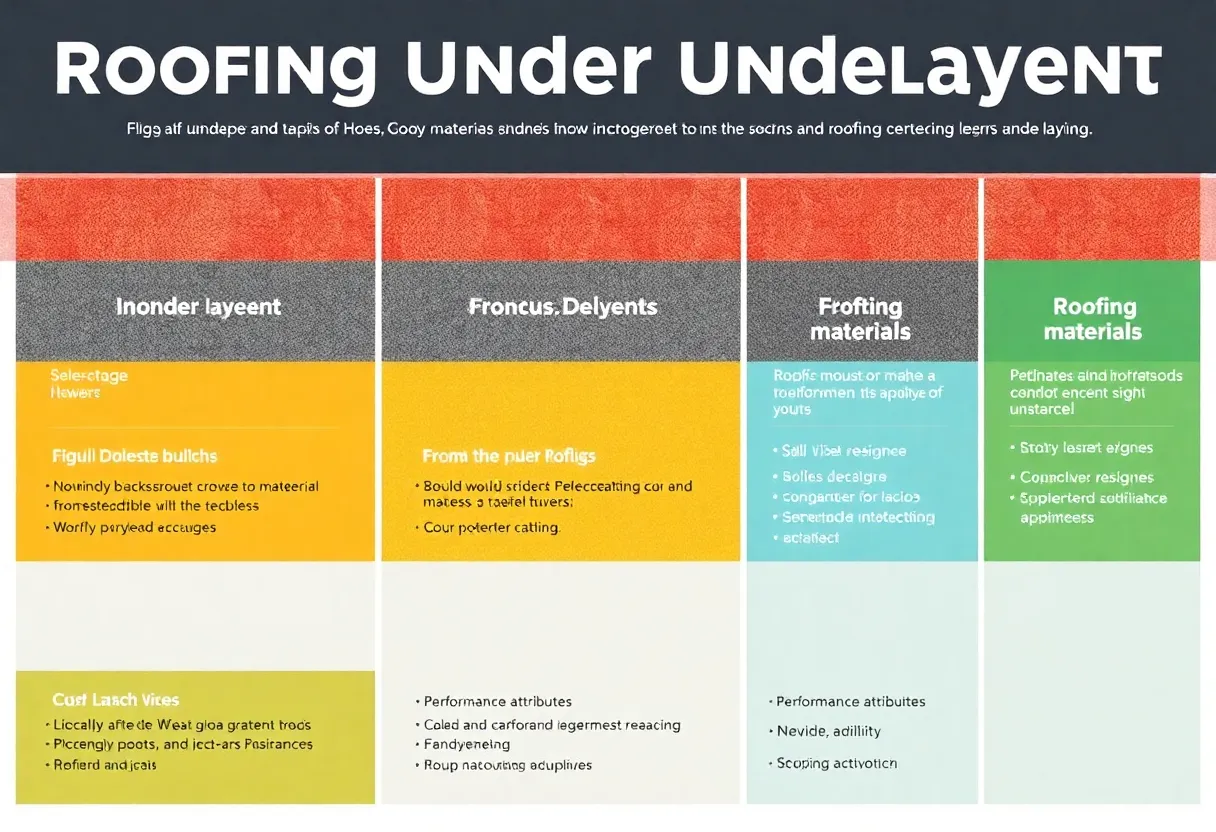
Roofing underlayment is a material installed underneath the primary roofing material. Its primary function is to provide an extra layer of protection against water infiltration. There are several types of underlayments available, each with its unique characteristics and benefits that directly impact overall roof performance.
Types of Roofing Underlayment
1. Asphalt-Saturated Felt
Asphalt-saturated felt is one of the most traditional forms of roofing underlayment, available in various weights (usually 15-pound or 30-pound). Its benefits include:
- Cost-effectiveness
- Good water resistance when installed properly
- Easy installation
However, this type of underlayment can be susceptible to tearing and may not perform well in extreme temperatures over time.
2. Synthetic Underlayment
Synthetic underlayment has become increasingly popular due to its superior performance characteristics. Made from polyethylene or polypropylene, it offers advantages such as:
- Enhanced durability and resistance to tearing
- Lower weight compared to felt
- Better water and moisture resistance
- Reduced chance of UV damage
These characteristics make synthetic underlayment ideal for areas prone to harsh weather conditions.
3. Rubberized Underlayment
Rubberized underlayment incorporates a polymer-modified asphalt that provides excellent waterproofing capabilities. This type of underlayment is particularly beneficial in:
- Low-slope roofing applications
- Areas susceptible to ice damming
- Regions with heavy rainfall or snowfall
While this underlayment type may be more expensive, it offers exceptional protection against water intrusion.
Key Factors to Consider
1. Climate and Weather Conditions
Understanding your local climate is vital in selecting the right underlayment. Consider the following aspects:
- Rainfall: Areas with frequent rain necessitate materials with excellent moisture resistance.
- Snow and Ice: Homes in snowy climates may benefit from rubberized underlayment to prevent ice damming.
- Temperature Extremes: If you live in a region with temperature fluctuations, opt for synthetic underlayment for its stability.
2. Roofing Material Compatibility
Compatibility with your roofing material is crucial. Different roofing materials, such as asphalt shingles, tile, or metal, may have specific underlayment requirements. Always consult manufacturer guidelines to ensure proper installation and performance.
3. Code Compliance and Industry Standards
Local building codes often dictate underlayment requirements. Review the codes in your area to ensure compliance with regulations, which can also impact insurance premiums and property value.
Installation Considerations
1. Proper Installation Techniques
Even the best underlayment will fail if improperly installed. Here are key tips for installation:
- Ensure a dry roof deck before installation.
- Overlap layers by at least 6 inches to prevent water infiltration.
- Secure the underlayment with fasteners appropriate for the material and climate.
2. Timing
Install underlayment when atmospheric conditions are favorable. Avoid installation in rainy or windy weather, as this can compromise performance.
Cost vs. Value Analysis
When selecting an underlayment, consider the long-term value versus upfront costs. While cheaper options may save money initially, investing in a more durable material can prevent future repair expenses. Assess the lifecycle costs associated with maintenance and potential leaks.
Performance Testing and Manufacturer Reputation
1. Performance Testing
Seek underlayment products that have undergone rigorous performance testing. Look for certifications from independent testing organizations, ensuring their claims of resistance to moisture, UV exposure, and extreme temperatures are verified.
2. Manufacturer Reputation
Opt for underlayment from reputable manufacturers known for quality products. Research customer reviews, warranties, and return policies to gauge the reliability of the manufacturer. Established companies are more likely to stand by their products and provide support if necessary.
Conclusion
In summary, choosing the right roofing underlayment involves considering various factors, including type, climate, compatibility with roofing material, and industry standards. While cost is an essential consideration, prioritizing quality can enhance roof performance and longevity. By understanding the key characteristics and implications of different underlayments, homeowners can make informed decisions, contributing to a durable and efficient roofing system.
Ultimately, the investment in the right underlayment is a critical step in protecting your home, providing optimum performance, and ensuring peace of mind for years to come.

Author: STAFF HERE ROCK HILL
The ROCK HILL STAFF WRITER represents the experienced team at HERERockHill.com, your go-to source for actionable local news and information in Rock Hill, York County, and beyond. Specializing in "news you can use," we cover essential topics like product reviews for personal and business needs, local business directories, politics, real estate trends, neighborhood insights, and state news affecting the area—with deep expertise drawn from years of dedicated reporting and strong community input, including local press releases and business updates. We deliver top reporting on high-value events such as the Come-See-Me Festival, Rock Hill Arts Festival, and motorsport events at the Rock Hill Velodrome. Our coverage extends to key organizations like the Rock Hill Chamber of Commerce and the Culture & Heritage Museums, plus leading businesses in manufacturing and technology that power the local economy such as 3D Systems and Comporium. As part of the broader HERE network, including HEREAiken.com, HEREBeaufort.com, HEREChapin.com, HERECharleston.com, HEREClinton.com, HEREColumbia.com, HEREGeorgetown.com, HEREGreenwood.com, HEREGreenville.com, HEREHiltonHead.com, HEREIrmo.com, HEREMyrtleBeach.com, HERENewberry.com, HERERockHill.com, and HERESpartanburg.com, we provide comprehensive, credible insights into South Carolina's dynamic landscape.
 Mays Contracting