How to Choose the Best Roof Insulation to Keep Your Home Comfortable Year-Round
Roof insulation plays a critical role in managing your home’s temperature. It effectively regulates heat flow, maintaining a comfortable environment regardless of the season. Choosing the right roof insulation requires careful consideration of various factors, including material types, R-values, installation methods, and climate. This guide will assist you in making informed choices for optimal insulation.
Understanding Roof Insulation and Its Importance
Roof insulation acts as a barrier to heat transfer. In winter, it retains warmth inside; in summer, it blocks heat from entering your home. This leads to improved energy efficiency, lower utility bills, and enhanced comfort. Additionally, proper insulation reduces environmental impact by decreasing energy consumption.
Types of Roof Insulation Materials
When selecting roof insulation, familiarize yourself with the different types available:
1. Fiberglass Insulation
- Cost-effective: One of the most affordable options on the market.
- Fire-resistant: Offers inherent fire-resistant properties.
- Easily installed: Widely available and simple to install.
- R-value: Typically provides an R-value between 2.9 and 4.3 per inch.
2. Foam Board Insulation
- High R-value: Can offer R-values ranging from 3.8 to 5.0 per inch.
- Moisture resistance: Effective at preventing water penetration.
- Lightweight: Easy to handle and install.
- Durability: Long-lasting and resistant to decay.
3. Spray Foam Insulation
- Excellent sealing capabilities: Provides an airtight seal, reducing energy loss.
- High R-value: Performs with an R-value between 5.5 and 6.5 per inch.
- Versatile application: Suitable for both new constructions and retrofits.
- Control over airflow: Effectively manages humidity and condensation.
4. Cellulose Insulation
- Eco-friendly: Made from recycled paper products.
- Effective sound barrier: Offers excellent sound-proofing properties.
- R-value: Generally achieves an R-value of approximately 3.1 to 3.7 per inch.
- Challenging installation: Requires professional installation for optimal performance.
5. Mineral Wool (Rock Wool) Insulation
- Fire resistance: Extremely fire-resistant, making it a safe choice.
- Water-resistant: Resists moisture and does not promote mold growth.
- Sound dampening: Effectively reduces noise pollution.
- R-value: Ranges from 3.0 to 4.0 per inch.
Understanding R-Values
The R-value of insulation measures its thermal resistance. A higher R-value indicates better insulating effectiveness. When choosing roof insulation, consider the recommended R-values based on your geographical location:
- Cold climates: Aim for R-values of 49 or higher.
- Mild climates: Target R-values between 30 to 49.
- Hot climates: R-values between 30 to 38 are usually adequate.
Considerations for Installation
Installation can significantly impact the performance of roof insulation. Here are some considerations:
1. Professional Vs. DIY Installation
Determine whether to hire a contractor or tackle the installation yourself. Some materials, such as spray foam, require professional application for best results. Others, like fiberglass batts, can be installed easily by homeowners. Understand your capabilities and the complexity of the insulation material.
2. Correct Installation Method
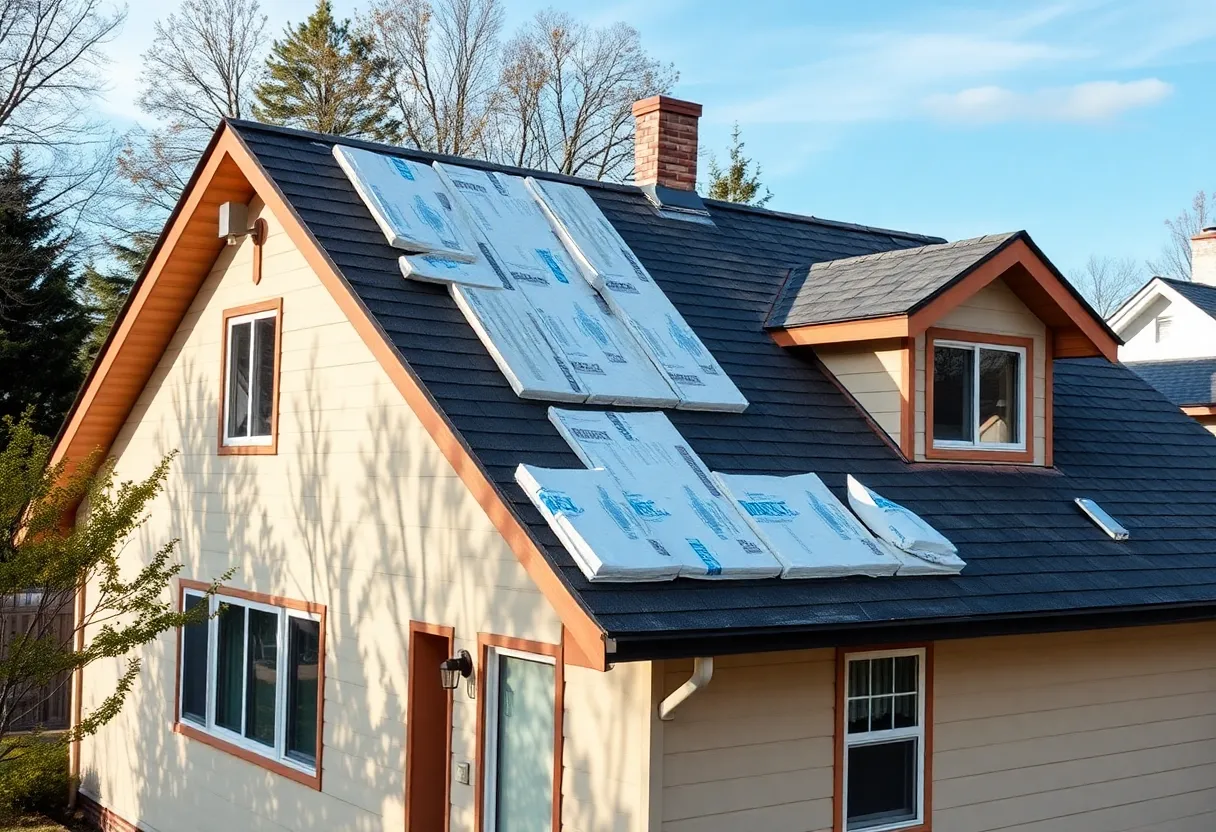
The installation method will depend on the chosen insulation type. For instance, foam boards need to be fitted snugly between rafters, while batt insulation requires careful layering to avoid gaps. Consult manufacturer guidelines for optimal installation instructions.
3. Ventilation Needs
Proper ventilation is essential when installing roof insulation. Inadequate ventilation can lead to moisture buildup, which can work against insulation, leading to mold growth and rotting. Ensure a comprehensive plan for attic ventilation, including roof vents and soffit vents.
Climate and Regional Considerations
Your local climate significantly influences the type of insulation you should choose. Analyze the following aspects:
1. Temperature Extremes
In regions with extreme temperatures, it is critical to choose insulation with higher R-values. In contrast, moderate climates may allow for lower-performing insulation.
2. Humidity Levels
If you live in a humid area, consider moisture-resistant materials such as foam board or mineral wool. These types have properties that prevent moisture from becoming trapped.
Cost of Roof Insulation
Budget plays a vital role in insulation selection. Factors influencing costs include:
- Material type: Different materials come with varying costs. Spray foam is often the most expensive, while fiberglass is typically the cheapest.
- Professional installation: Hiring contractors adds labor costs, while DIY installation can save money.
- Local market conditions: Prices can fluctuate based on geographic location and market demand.
Environmental Impact and Sustainability
Choosing eco-friendly insulation options can minimize your environmental footprint. Consider insulation made from recycled materials, such as cellulose, or renewable resources like sheep’s wool. These sustainable choices align with green building practices and contribute to energy efficiency.
Additional Tips for Selecting Roof Insulation
- Assess existing insulation: Before adding new insulation, check the condition of your current insulation. Remove and replace any damaged sections.
- Energy audits: Conduct an energy audit to evaluate your home’s efficiency and identify areas that require insulation improvements.
- Insulation thickness: Ensure the chosen insulation is thick enough to meet the recommended R-value for your area.
- Check local building codes: Abide by regional building regulations when selecting insulation materials.
Conclusion
Selecting the best roof insulation for your home involves considering multiple factors, including material types, R-values, installation methods, climate, and budget. By prioritizing performance, durability, and sustainability, you can ensure your home remains comfortable year-round while effectively reducing energy costs. Conduct thorough research and seek expert opinions to make well-informed decisions.

Author: STAFF HERE ROCK HILL
The ROCK HILL STAFF WRITER represents the experienced team at HERERockHill.com, your go-to source for actionable local news and information in Rock Hill, York County, and beyond. Specializing in "news you can use," we cover essential topics like product reviews for personal and business needs, local business directories, politics, real estate trends, neighborhood insights, and state news affecting the area—with deep expertise drawn from years of dedicated reporting and strong community input, including local press releases and business updates. We deliver top reporting on high-value events such as the Come-See-Me Festival, Rock Hill Arts Festival, and motorsport events at the Rock Hill Velodrome. Our coverage extends to key organizations like the Rock Hill Chamber of Commerce and the Culture & Heritage Museums, plus leading businesses in manufacturing and technology that power the local economy such as 3D Systems and Comporium. As part of the broader HERE network, including HEREAiken.com, HEREBeaufort.com, HEREChapin.com, HERECharleston.com, HEREClinton.com, HEREColumbia.com, HEREGeorgetown.com, HEREGreenwood.com, HEREGreenville.com, HEREHiltonHead.com, HEREIrmo.com, HEREMyrtleBeach.com, HERENewberry.com, HERERockHill.com, and HERESpartanburg.com, we provide comprehensive, credible insights into South Carolina's dynamic landscape.
 Mays Contracting