News Summary
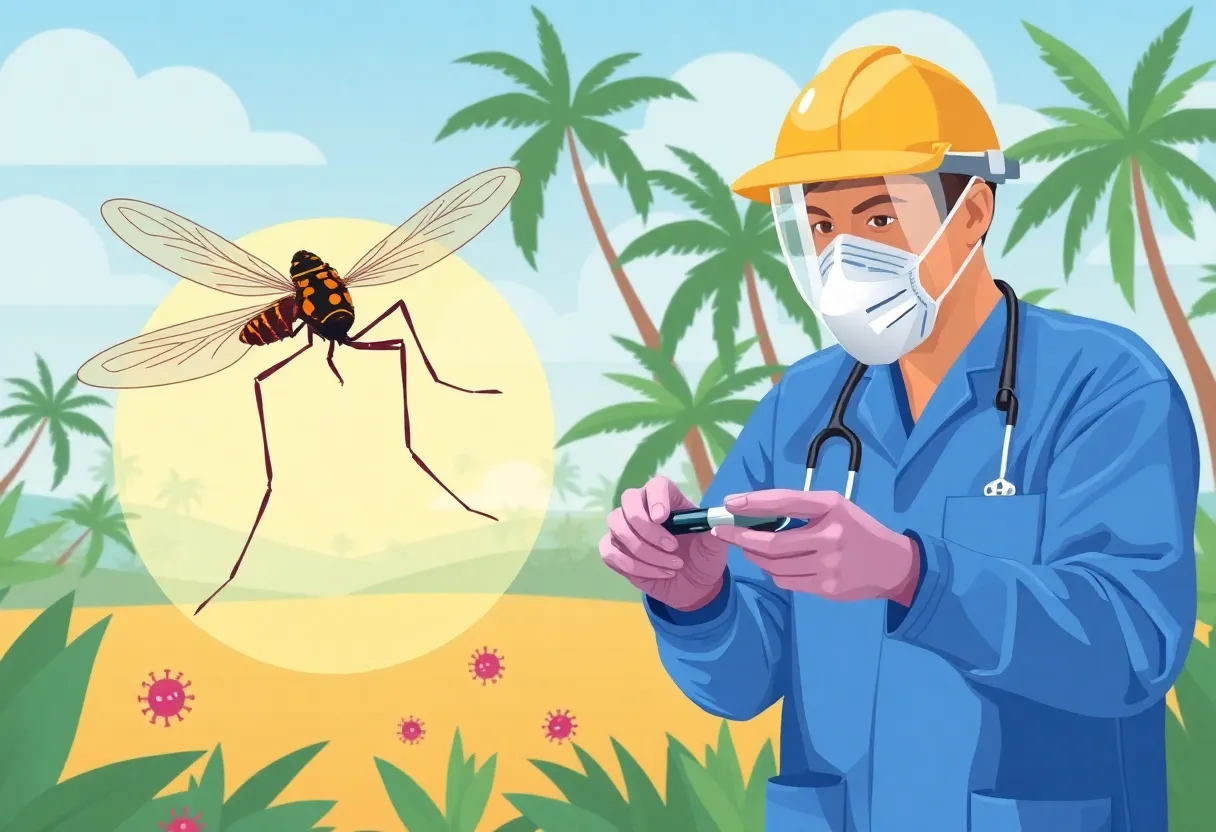
China is currently experiencing a severe chikungunya outbreak, with over 6,500 cases reported, mainly in Guangdong province. The CDC has issued a Level 2 travel alert advising travelers to take enhanced precautions. Symptoms of the disease include fever, severe joint pain, and rashes. While there are no specific antiviral treatments, authorities are intensifying mosquito control measures to limit further transmission. Concerns are growing that the virus could spread to new regions, prompting global health organizations to monitor the situation closely.
China is currently grappling with a significant outbreak of chikungunya, a viral disease transmitted by mosquitoes, leading the U.S. Centers for Disease Control and Prevention (CDC) to issue a Level 2 travel alert for the region. As of July 30, over 6,500 chikungunya cases have been documented, with a considerable concentration in southern China, particularly in Guangdong province.
The CDC’s alert, issued on Friday, advises travelers to exercise “enhanced precautions” when planning visits to China, highlighting the rapid rise in cases since early July. During the first week of the outbreak, more than 3,000 infections were reported, and Foshan, a major city in Guangdong, is responsible for approximately 60% of the cases. Although the majority of infections have been classified as mild, the ongoing surge poses risks for both residents and travelers.
Chikungunya is primarily transmitted through the bites of Aedes mosquitoes, which are active during the daytime. Following infection, symptoms usually develop within 3 to 7 days, including fever, severe joint pain, headaches, muscle pain, joint swelling, and rashes. While symptoms can be debilitating and last for months, most individuals recover without the need for hospitalization or resulting fatalities. There are currently no specific antiviral treatments available for chikungunya, making symptom management the focus of care.
Authorities responded to the outbreak by implementing strict health measures at ports and enhancing mosquito control strategies. This includes the release of thousands of mosquito-eating fish into water bodies in Guangdong to reduce mosquito populations and limit disease transmission. In tandem, surveillance and vector control initiatives are intensifying in Foshan to address the escalating number of cases and mitigate the potential for severe outcomes.
Concerns have emerged regarding the possibility of the chikungunya virus spreading to new regions. The CDC specifically warned that travelers could inadvertently carry the virus to areas where it has not yet circulated. A notable case of concern was reported in Hong Kong, where a child returning from a two-week stay in Shunde district tested positive for chikungunya, marking the first imported case in the region since 2019.
Globally, the chikungunya epidemic is not isolated to China. The European Centre for Disease Prevention and Control reported approximately 240,000 cases and 90 fatalities across 16 countries in 2023. This prompts a pressing need for both local and international responses to be vigilant and proactive in controlling the disease’s spread.
The World Health Organization (WHO) defines chikungunya as a mosquito-borne viral disease characterized by fever and debilitating joint pain, which is a hallmark symptom leading to the name “chikungunya” derived from the Kimakonde language meaning “that which bends up,” indicative of the posture of individuals suffering from severe joint pain.
In light of the outbreak, both the CDC and local health authorities in China recommend that travelers use EPA-registered insect repellents and stay in accommodations equipped with window screens or air conditioning as precautionary measures. With rising infection levels, ongoing efforts are critical to ensure the health and safety of both the local population and international visitors.
Deeper Dive: News & Info About This Topic
- South China Morning Post: Guangdong’s Response to Chikungunya
- Wikipedia: Chikungunya
- Bloomberg: Cannibal Mosquitoes in China
- Google Search: Chikungunya Virus
- IFLScience: Chikungunya Advisory in China
- Google Scholar: Chikungunya in China
- AP News: Chikungunya Outbreak in China
- Encyclopedia Britannica: Chikungunya Outbreaks
- The Independent: CDC Travel Warning on Chikungunya
- Google News: Chikungunya Outbreak China