How to Safely Navigate the Challenges of DIY Roofing Projects for Beginners
Taking on a DIY roofing project can be both an exciting and daunting venture. For homeowners looking to save money or personalize their space, the allure is understandable. However, roofing work can pose various hazards, both physical and technical. Thus, understanding how to execute these projects safely is paramount. Here’s a comprehensive guide to help beginners navigate the complexities of DIY roofing projects.
The Importance of Safety
Before diving into the technical aspects of roofing, it is crucial to understand the importance of safety. Roofing is inherently dangerous. Every year, thousands of individuals sustain injuries from falls and other accidents associated with roofing activities. Thus, implementing safety measures is not just advisable, but a necessity.
Personal Protective Equipment (PPE)
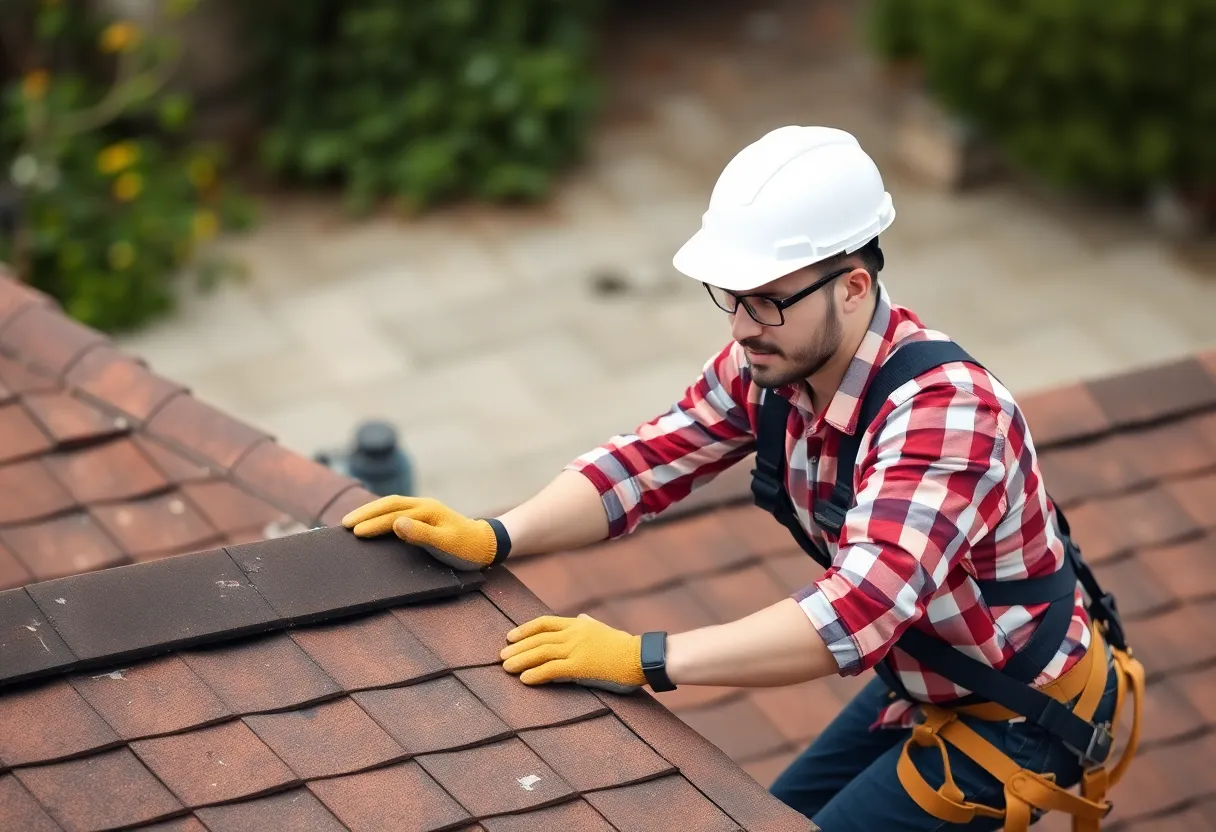
Investing in proper protective gear is essential. At a minimum, you should wear:
- Hard Hat: Protects your head from falling debris.
- Non-slip Safety Boots: Provides traction and stability on slippery roofs.
- Safety Harness: Crucial for preventing falls when working at heights.
- Gloves: Protects your hands from sharp materials and heat.
- Goggles: Shields your eyes from dust and debris.
Site Preparedness
Before starting, assess the workspace. Ensure the roof can handle the weight of personnel and materials. Look for:
- Stable Structures: Ensure trusses and beams are not compromised.
- Clear Debris: Remove any obstacles in your work area to prevent slips and trips.
- Weather Conditions: Roofing should only take place in favorable weather; avoid wet or windy days.
Gather the Right Tools and Materials
Successful roofing requires the right tools and materials. Having the necessary equipment at hand will facilitate a smoother process and better results.
Essential Tools
Here are some of the basic tools you will need for your roofing project:
- Roofing Nailer: Speeds up the installation of shingles.
- Hammer: Ideal for smaller jobs or adjustments.
- Ladder: Necessary for accessing the roof safely.
- Utility Knife: Essential for cutting roofing materials.
- Measuring Tape: For accurate measurements.
Materials
The choice of materials will depend on your roof type and climate. Common options include:
- Asphalt Shingles: Popular for their affordability and variety.
- Metal Roofing: Durable and energy-efficient.
- Tile Roofing: Aesthetic appeal, particularly in warmer climates.
Understand Your Roof Type
Different roofing systems may require different approaches. Identifying your roof type helps in understanding the specific challenges and techniques involved.
Pitched Roofs
Pitched roofs are inclined and usually require proper drainage. The steepness of the roof can increase risk factors. Ensure that safety harnesses are secured and consider using scaffolding for added stability.
Flat Roofs
These roofs are easier to navigate but may face different challenges, such as water pooling. It’s essential to check for drainage issues and ensure proper waterproofing.
Planning and Installation Techniques
Planning the project ensures a more systematic approach. Skipping this could lead to errors and potential hazards.
Measure Twice, Cut Once
Accurate measurements are vital. Before cutting any materials, double-check measurements to avoid waste and ensure a proper fit.
Start with a Solid Foundation
Install a proper underlayment before laying shingles. This material acts as a barrier between the shingles and the roof deck.
Conduct Regular Inspections
Once the roof is installed, conduct follow-up inspections. Check for signs of wear or water infiltration. Regular maintenance will prolong your roof’s life and identify problems before they worsen.
Common Issues to Watch For
Be vigilant for:
- Loose Shingles: May require immediate tightening or replacement.
- Cracks or Gaps: Signs of wear that need to be sealed.
- Water Pools: Especially on flat roofs; indicates drainage problems.
Know When to Seek Professional Help
While tackling a roofing project can be empowering, knowing your limits is equally critical. Some tasks may require professional expertise:
- Severe Roof Damage: Extensive repairs might be beyond DIY capabilities.
- Steep Pitches: If uncomfortable working at heights.
- Complex Roof Systems: Multi-tiered or intricate designs are often best left to professionals.
Further Resources and Training
Consider seeking additional resources to enhance your understanding. Online tutorials, workshops, or local community college classes can provide valuable insight. Training courses will improve your confidence and effectiveness.
Conclusion
Embarking on a DIY roofing project can indeed be a fulfilling experience. By prioritizing safety, understanding the right tools and materials, and observing proper installation techniques, you can significantly mitigate risks. Always be mindful of your limitations, and know when to call in professionals. With diligence and preparation, your roofing project can bring both functional and stylish benefits to your home.

 Mays Contracting