How to Choose the Right Roofing Solution for Your Unique Home Needs: A DIY Guide
Making the right choice for a roofing solution is crucial for the longevity and value of your home. Each roofing material has its unique properties, advantages, and disadvantages. This DIY guide will walk you through the process of selecting the best roofing solution tailored specifically to your home’s needs.
Understanding Your Home’s Unique Needs
Before diving into materials and styles, it’s essential to assess your home’s specific requirements. Consider factors such as:
Location and Climate
Your geographical area significantly influences roofing choices. In regions prone to extreme weather, such as heavy rain, snow, or high winds, more durable materials are a necessity. For example:
- Asphalt shingles are economical and common but may not withstand extreme weather conditions.
- Metal roofing is ideal for areas with heavy snowfall due to its ability to shed snow effectively.
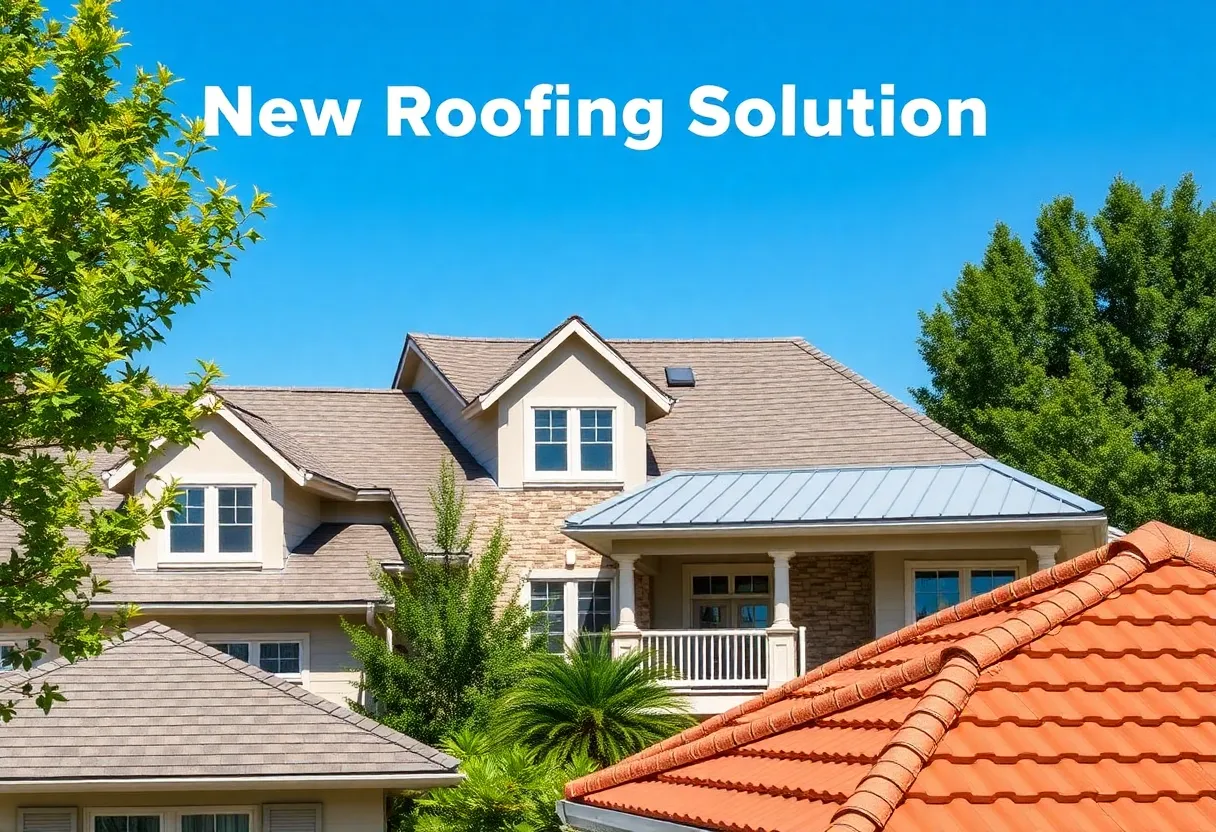
- Clay or concrete tiles are excellent for hot climates, providing durability and energy efficiency.
Home Style and Architecture
The design of your home plays a significant role in selecting roofing materials. A roofing solution should complement your home’s architecture. Typical considerations include:
- Traditional homes may look best with slate or shingle roofing.
- Modern homes often benefit from flat or metal roofs for sleek aesthetics.
- Colonial-style homes typically use wood or asphalt shingles to maintain historical integrity.
Budget Constraints
Determining your budget early on is essential. While some materials have higher upfront costs, their longevity can lead to savings in the long run. Remember to factor in:
- Initial costs
- Maintenance expenses
- Potential energy savings
- Resale value increase
Exploring Roofing Material Options
1. Asphalt Shingles
Asphalt shingles are the most common roofing material in North America due to their affordability and ease of installation. They come in two types:
- Three-tab shingles are the most economical option with a standard lifespan of about 20 years.
- Architectural shingles are thicker and more durable, typically lasting up to 30 years.
2. Metal Roofing
Metal roofing is gaining popularity due to its durability and energy efficiency. Options include:
- Steel is popular for affordability and strength.
- Aluminum is lightweight and resistant to rust but can be more expensive.
- Copper offers a stunning aesthetic but comes at a higher price point.
3. Slate Roofing
Slate is a luxurious roofing option known for its long lifespan (up to 100 years). While it requires a substantial investment, its natural beauty and outstanding durability make it a desirable choice for high-end properties.
4. Wood Shingles and Shakes
Wood roofing provides natural beauty and excellent insulation. However, it requires more maintenance and is susceptible to rot and pests. Comparing:
- Shingles are sawn and have a uniform appearance.
- Shakes are split more randomly, lending a more rustic look.
5. Clay and Concrete Tiles
Both clay and concrete tiles are immensely durable and perfect for hot climates. They are resistant to fire and can withstand wind up to 150 mph, making them an excellent option for hurricane-prone areas.
6. Synthetic Roofing
Synthetic materials can mimic the appearance of asphalt, slate, or wood at a reduced weight and cost. Options include:
- Rubber comes from recycled materials, ideal for eco-friendly roofing.
- Composite tiles are lightweight and resistant to mold and decay.
Energy Efficiency and Environmental Considerations
In today’s eco-conscious society, the energy efficiency of roofing materials is a critical factor. Here are some elements to consider:
Reflectivity
Some materials are more reflective than others, helping to reduce heat absorption. Darker colors absorb more heat, while lighter colors can keep your home cooler.
Insulation
Good insulation helps maintain temperature control, reducing energy costs. When choosing roofing, consider options that offer built-in insulation or those that work well with insulation products.
Longevity and Sustainability
Choose materials with excellent longevity and those that can be recycled. For instance, metal roofs are 100% recyclable, and roofing options made from recycled materials contribute to sustainability.
Special Features to Consider
Warranty and Lifespan
The warranty on roofing materials can provide insight into their expected lifespan. Generally, materials with longer warranties suggest higher durability. Pay attention to:
- Manufacturer warranties
- Labor warranties
Resistance to Elements
Evaluate material resistance to fire, wind, hail, and moisture. For example:
- Clay tiles are fire-resistant.
- Metal roofs can endure high winds and extreme weather.
- Impact-resistant shingles can handle hail without damage.
Maintenance Requirements
Different roofing materials have varying maintenance needs. Asphalt shingles may require more frequent checks, whereas metal roofs can be low maintenance. Always consider how much time, effort, and resources you’re willing to commit.
The Installation Process
Once you’ve selected your roofing material, the next step is installation. Depending on the complexity of your roof and the chosen materials, you can either tackle this as a DIY project or hire professionals. Consider the following:
Complexity of Installation
Complex roof designs may require professional installation. However, simpler roofs might be manageable with a DIY approach, particularly with asphalt shingles or metal panels.
Tools and Equipment
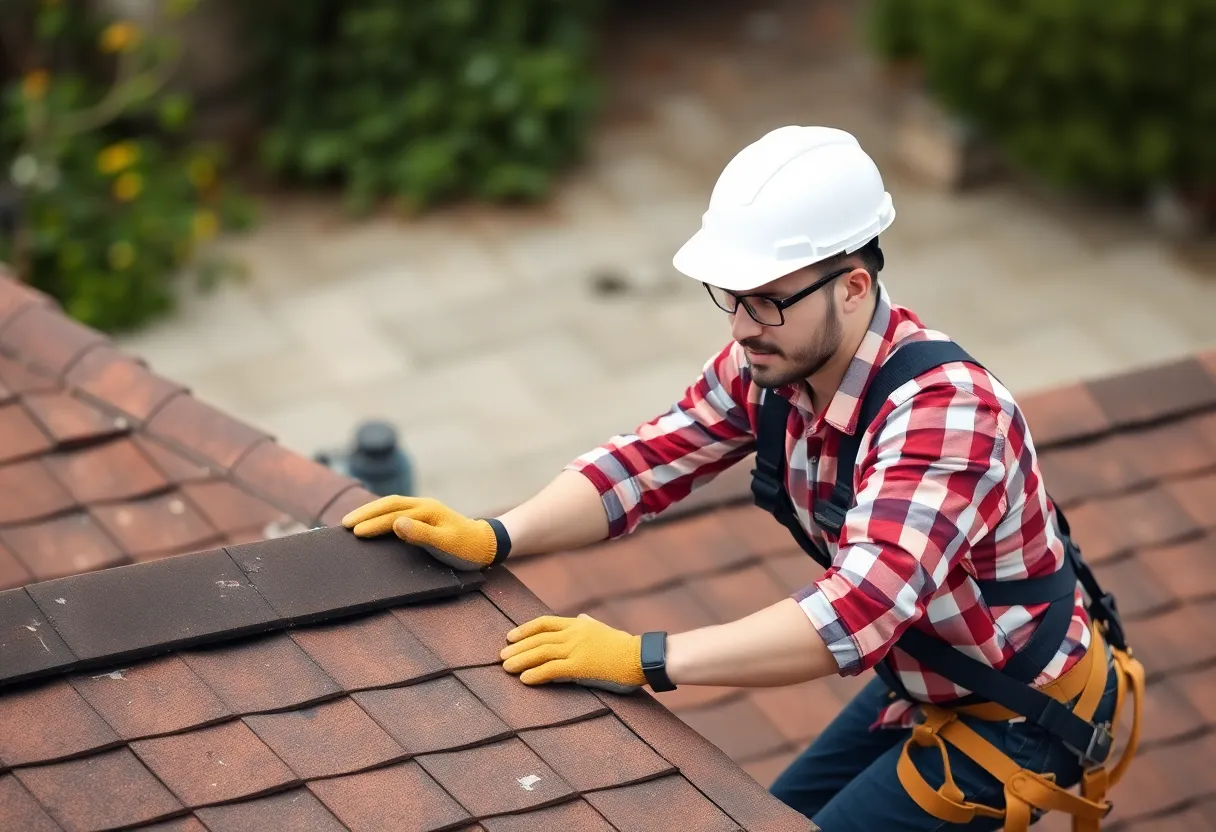
If opting for a DIY installation, ensure you have the proper tools:
- Ladders and scaffolding
- Safety gear
- Cutting tools for specific materials
Compliance with Local Building Codes
Check local zoning laws and building codes before proceeding with installation. Some regulations may specify roofing materials, colors, and styles for aesthetic harmony in neighborhoods.
Conclusion
Selecting the right roofing solution requires careful consideration of your home’s unique needs, environmental factors, and material options. By understanding the pros and cons of each roofing type, evaluating energy efficiency, and adhering to installation guidelines, you can ensure your home is well-protected and visually appealing. Invest time in researching, and you’ll be sure to make an informed decision, enhancing both the beauty and functionality of your living space.

 Mays Contracting