How to Successfully Install a Roof Safety Rail: Essential Tips for DIY Homeowners
Roof work comes with inherent risks. A roof safety rail can significantly reduce these hazards. This article provides essential tips for DIY homeowners looking to install a roof safety rail effectively and safely.
Understanding Roof Safety Rails
Roof safety rails are an essential part of fall protection systems. They act as a barrier, preventing individuals from slipping or falling off rooftops. Understanding their importance can motivate homeowners to prioritize safety when working on elevated surfaces.
Types of Roof Safety Rails
Before installation, familiarize yourself with the various types of roof safety rails available:
- Temporary Rails: Often used for construction projects, these are designed for short-term use.
- Permanent Rails: Ideal for regular access points, these are fixed installations that provide ongoing protection.
- Removable Rails: These can be installed and taken down as needed, offering flexibility.
Assessing Your Roof
Before installing a safety rail, assess your roof’s condition and layout. Identify potential hazards such as:
- Slope: Steeper slopes require additional safety considerations.
- Surface Material: Some materials may affect rail installation, necessitating special brackets.
- Access Points: Identify where people will most frequently access the roof.
Gathering Necessary Equipment and Materials
Successful installation involves having the right tools and materials on hand. Here’s what you’ll need:
- Roof Safety Rail System: Purchase a reputable product that meets safety standards.
- Drills and Drill Bits: These will be essential for making holes in the roof.
- Screws and Anchors: Ensure you use weather-resistant screws to prevent corrosion.
- Measuring Tape: For accurate measurements of your roof and rail system.
- Level: Ensures your safety rail is installed evenly.
Installation Steps
Step 1: Measure and Mark
Begin by measuring the perimeter of the roof area requiring coverage. Mark locations for the safety rail brackets, ensuring they align perfectly. The spacing will depend on the specific safety rail system guidelines, usually recommended at regular intervals.
Step 2: Drill Holes
Once you have your marks, drill holes at the marked spots. Use the appropriate drill bit for your roof material. A clean hole will ensure the screws fit securely, contributing to the overall stability of the safety rail.
Step 3: Install Brackets
Attach the brackets securely using the screws and anchors. It’s vital to follow the manufacturer’s instructions diligently. The structural integrity of the rails depends on this step.
Step 4: Attach the Safety Rail
Once the brackets are installed, it’s time to attach the railings. Slide the rails into the brackets and ensure they fit snugly. Double-check with a level to confirm they are straight.
Step 5: Secure All Connections
Inspect all joints and connections. Tighten any screws or anchors as necessary. It’s crucial that everything is secure to avoid any accidents.
Testing the Safety Rail
After installation, conduct a thorough test of the safety rail. Apply consistent pressure to ensure it holds firm. This step will help you identify any weak spots.
Regular Maintenance
Installing a roof safety rail is not a one-time task. Regular maintenance is essential:
- Visual Inspections: Check for signs of wear or damage periodically.
- Winter Maintenance: Remove ice or snow accumulation to keep safety features functional.
Common Mistakes to Avoid
Even experienced DIYers may encounter pitfalls during installation. Here are common mistakes to avoid:
- Improper Measurements: Double-check measurements to avoid errors.
- Using Incompatible Materials: Ensure all materials are suitable for your specific roof type.
- Ignoring Local Codes: Check the local building codes for safety rail requirements before installation.
Safety First: Personal Protection Equipment
While installing roof safety rails, wearing appropriate personal protective equipment (PPE) is essential. Ensure you wear:
- Non-slip Shoes: To maintain traction on the roof surface.
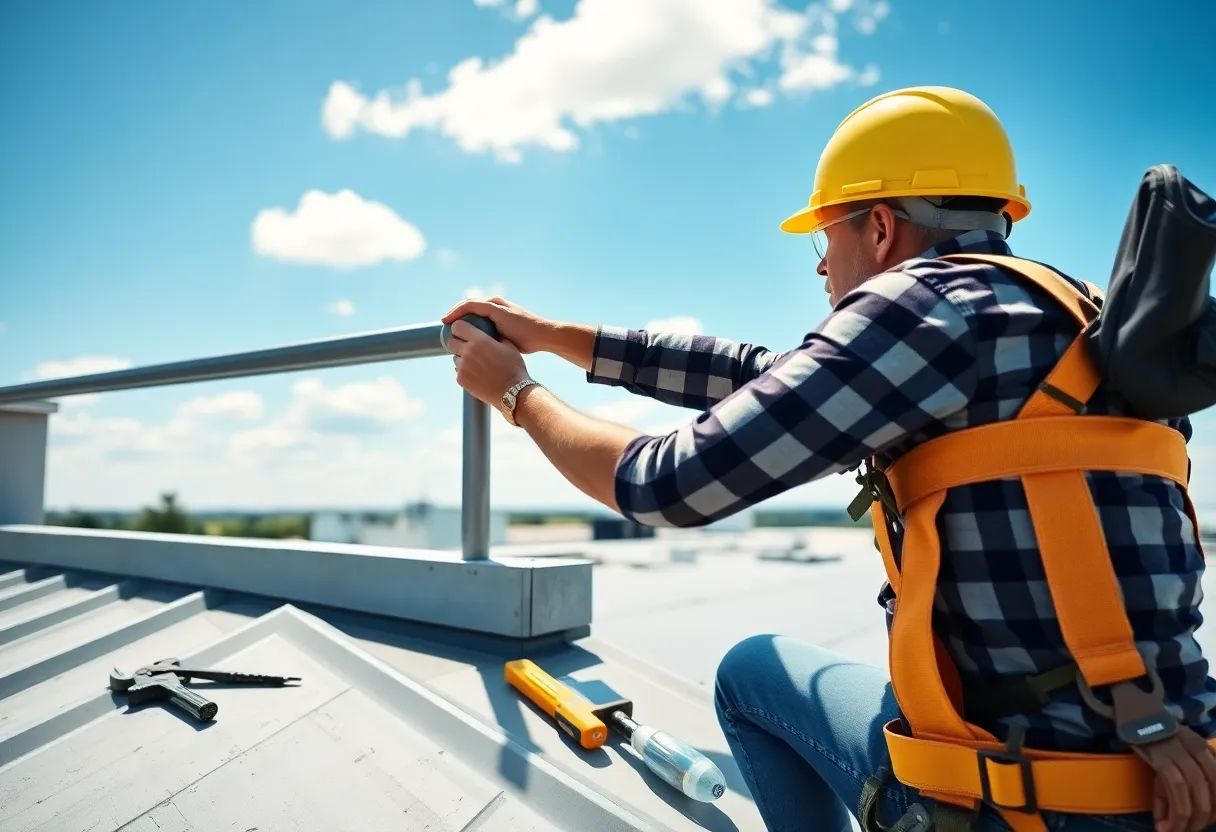
- Safety Harness: If working on steep slopes, always wear a harness attached to a secure anchor point.
- Hard Hat: Protects your head from any potential falling debris.
Consult a Professional if Necessary
Even with DIY skill, some aspects may require professional input. Consulting a roofing expert can ensure you’re on the right track. They can provide insights specific to your roof type and local climate conditions.
Conclusion
Installing a roof safety rail can significantly reduce risks associated with working at heights. By rigorously following guidelines, daily maintenance, and prioritizing safety, DIY homeowners can foster a safer working environment. Remember, investing in safety is a proactive step every homeowner should take when planning roof work.

Author: STAFF HERE ROCK HILL
The ROCK HILL STAFF WRITER represents the experienced team at HERERockHill.com, your go-to source for actionable local news and information in Rock Hill, York County, and beyond. Specializing in "news you can use," we cover essential topics like product reviews for personal and business needs, local business directories, politics, real estate trends, neighborhood insights, and state news affecting the area—with deep expertise drawn from years of dedicated reporting and strong community input, including local press releases and business updates. We deliver top reporting on high-value events such as the Come-See-Me Festival, Rock Hill Arts Festival, and motorsport events at the Rock Hill Velodrome. Our coverage extends to key organizations like the Rock Hill Chamber of Commerce and the Culture & Heritage Museums, plus leading businesses in manufacturing and technology that power the local economy such as 3D Systems and Comporium. As part of the broader HERE network, including HEREAiken.com, HEREBeaufort.com, HEREChapin.com, HERECharleston.com, HEREClinton.com, HEREColumbia.com, HEREGeorgetown.com, HEREGreenwood.com, HEREGreenville.com, HEREHiltonHead.com, HEREIrmo.com, HEREMyrtleBeach.com, HERENewberry.com, HERERockHill.com, and HERESpartanburg.com, we provide comprehensive, credible insights into South Carolina's dynamic landscape.
 Mays Contracting