What Are the Most Effective Ways to Prevent Ice Dams on Your Roof?
Understanding Ice Dams
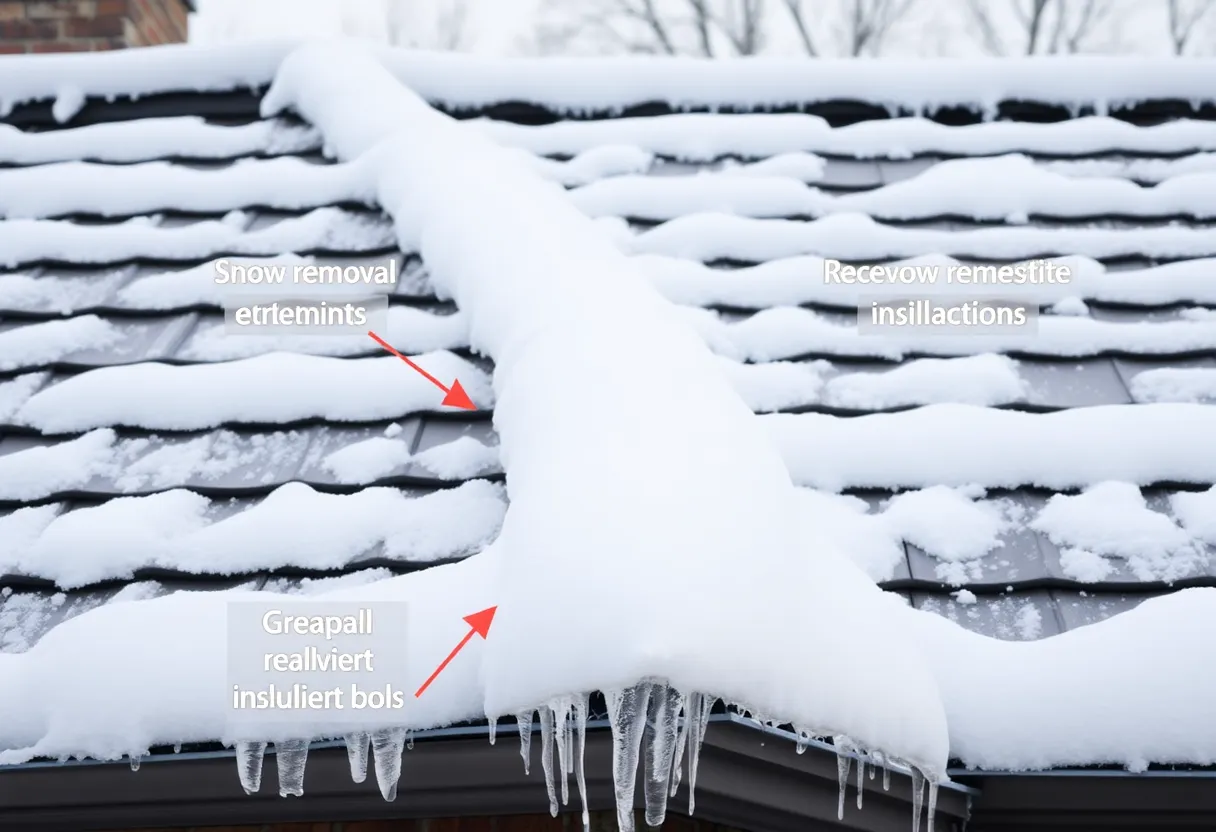
Ice dams occur when warm air from the home melts snow on the roof, which then runs down towards the eaves where it cools and refreezes. This cycle creates a barrier of ice that prevents water from draining off the roof, leading to potential leaks and water damage. Preventing ice dams is crucial for maintaining the integrity of your roofing system and avoiding expensive repairs.
Key Factors Contributing to Ice Dams
Before diving into preventative measures, it is essential to understand the key contributors to ice dam formation:
1. Insufficient Insulation
Poor insulation allows heat to escape from the living space into the attic, warming the roof’s surface and facilitating snow melt.
2. Attic Ventilation Issues
Improper ventilation can trap warm air in the attic, exacerbating the melting and refreezing cycle on the roof.
3. Snow Accumulation
Heavy snow can increase the likelihood of ice dams forming, particularly if the other factors aren’t properly addressed.
Effective Prevention Strategies
To prevent ice dams, implement the following methods:
1. Improve Attic Insulation
Increasing the insulation in your attic reduces heat loss and helps keep the roof’s surface cold. Consider using rigid foam board or fiberglass batts to enhance thermal resistance. Aim for an insulation value of at least R-38 in colder climates. Proper insulation minimizes temperature fluctuations between the attic and the roof.
2. Optimize Attic Ventilation
Adequate ventilation is essential for maintaining a consistent temperature in the attic. Ensure the following:
- Intake vents: Place these at soffits or lower roof edges. They allow cold air to enter the attic.
- Exhaust vents: Located at or near the roof peak, these vents replace warm air with cooler outdoor air. Options include roof vents or gable vents.
Ensure that the ventilation system is unobstructed, allowing for adequate airflow.
3. Utilize Radiant Barrier Technology
Radiant barriers are reflective materials installed in attics that help reduce heat transfer. They work by reflecting radiant heat away from the living space, keeping the attic cooler. Installing a radiant barrier can significantly reduce heating costs and minimize roof temperature.
4. Clear Snow Accumulation Regularly
Remove snow from the roof after heavy snowstorms to prevent it from melting and refreezing. Use a roof rake to safely remove snow without damaging shingles or other roofing material. Focus on clearing the edges where ice dams are likely to form. Avoid using sharp tools which might puncture the roof.
5. Install Ice and Water Shield
An ice and water shield is a waterproof membrane that can be installed under roofing shingles. It provides a secondary layer of protection against leaks caused by ice dams. This membrane should extend a few feet beyond the eaves to adequately shield vulnerable areas.
6. Ensure Roof Slope is Adequate
A well-slope roof allows water and melted snow to drain more effectively. If your home is undergoing renovations, consider increasing the roof slope if possible.
7. Consider Heating Cables
Heating cables can be installed along eaves and downspouts to melt areas of ice as they form. Make sure they are installed according to manufacturer guidelines, ensuring they are effective in preventing snow buildup and ice dam formation.
Monitoring and Maintenance
Implement a routine monitoring and maintenance schedule. Regularly inspect your attic, insulation, and ventilation systems to ensure they function effectively. Look for signs of moisture or water damage which could indicate existing issues.
1. Insulation Checks
Periodically check insulation for settling or gaps that may let heat escape. Reinforce or replace any compromised areas.
2. Ventilation Verification
Ensure that attic vents remain clear of obstructions. This includes checking for nests, debris, or insulation blocking airflow.
3. Roof Inspection
At least once a year, inspect the roof for signs of wear or damage. Look for missing shingles, cracks, or deterioration that could exacerbate the risk of ice dams.
Conclusion
Preventing ice dams on your roof is vital to maintaining a healthy, functional roofing system. By improving insulation and ventilation, you can significantly reduce the likelihood of ice dam formation. Regular maintenance, snow removal, and the installation of protective measures such as ice and water shields further enhance your defense against ice dams. Remember, addressing these aspects now can save you time, money, and headaches in the future.
Ultimately, preventing ice dams requires a proactive approach. Assess your home’s insulation and ventilation performance, implement effective strategies, and remain vigilant with maintenance. Stay ahead of winter weather and keep your home safe from ice dams.

 Mays Contracting