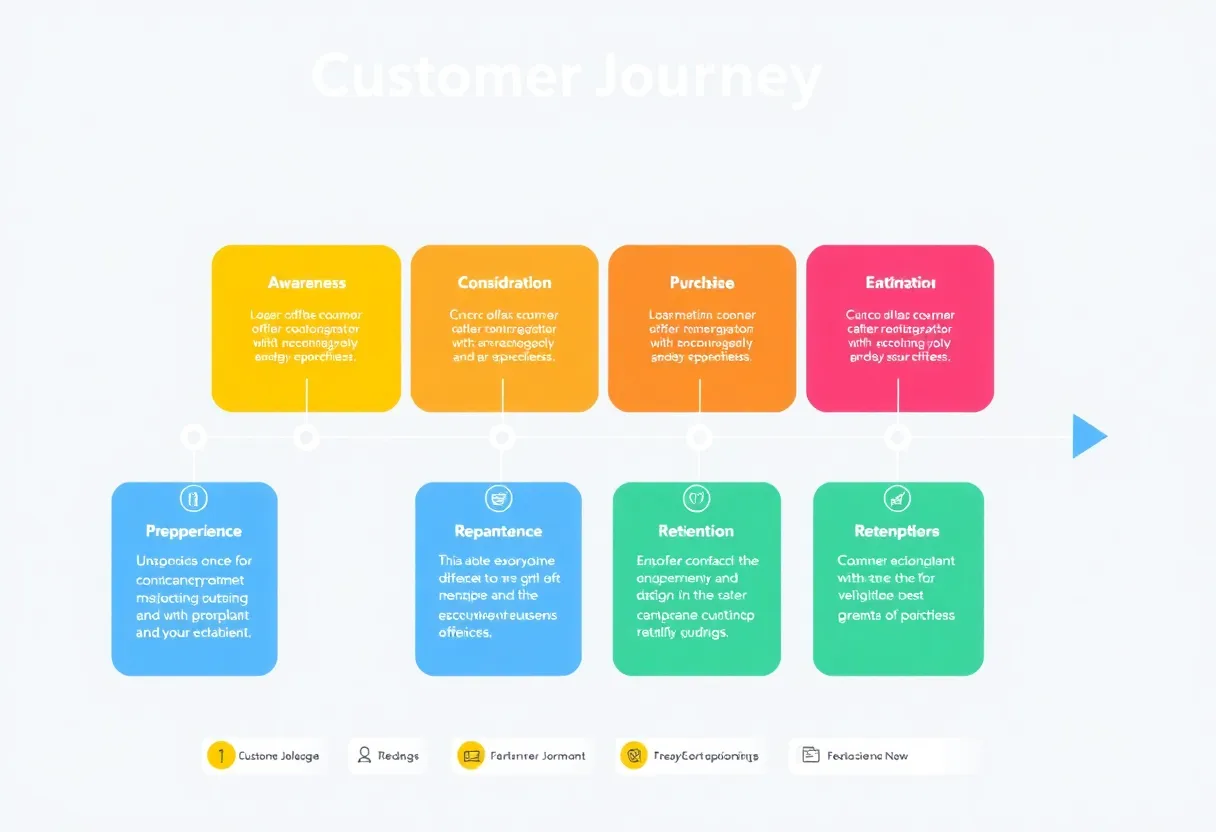

How Can You Use Interactive Content to Foster Deeper Engagement in Your Digital Marketing?
In today’s digital landscape, traditional marketing methods often fall short in capturing the audience’s attention. To address this challenge, interactive content has emerged as a powerful tool to foster deeper engagement. This article will explore various forms of interactive content, their benefits, and actionable strategies for integrating them into your digital marketing efforts.
Understanding Interactive Content
Interactive content refers to any content type that requires active participation from the user, rather than passive consumption. This can include:
- Quizzes and Polls: Utilize quizzes to educate and engage users, while polls can collect opinions on relevant topics.
- Interactive Infographics: These combine visual storytelling with user interaction, allowing for a dynamic exploration of complex information.
- Calculators and Tools: These provide practical solutions to the audience, encouraging repeated visits and shares.
- Games and Challenges: Engaging users through gamification enhances enjoyment while delivering information.
- Surveys: Gather valuable insights from customers by encouraging their participation in feedback processes.
The Benefits of Interactive Content
Integrating interactive content in your digital marketing strategy can yield significant advantages:
Increased User Engagement
Interactive content captivates users far more than traditional formats. Engaging elements, such as quizzes, compel users to invest time and cognitive effort, leading to higher engagement rates.
Improved Retention and Recall
The interactive nature of content ensures users remember your message better. Studies show that retention rates for interactive content exceed those for static content. This means users are more likely to recall your brand when it matters.
Enhanced Data Collection
Many forms of interactive content double as data-gathering tools. Whether it’s through a quiz or a survey, marketers can capture valuable insights about audience preferences and behaviors, enabling tailored marketing approaches.
Boosted Conversion Rates
By guiding users through a well-structured interactive experience, you can lead them towards conversion. Providing value and personalized recommendations throughout the interaction can significantly increase the likelihood of a purchase.
Strategies for Implementing Interactive Content
Adopting interactive content into your digital marketing requires a strategic approach. Here are some effective methods to consider:
1. Define Your Goals
Before creating any content, it’s crucial to clearly define your objectives. What do you aim to achieve with interactive content? Whether it’s enhancing brand awareness, collecting leads, or boosting sales, clarity will guide your content decisions.
2. Know Your Audience
Understanding your target audience is essential. Tailor interactive content based on their interests, preferences, and pain points. This ensures higher relevancy and engages users effectively.
3. Choose the Right Format
Select the type of interactive content that aligns with your goals and audience. For instance, if you want to educate users about your products, an interactive infographic or quiz may be appropriate. For lead generation, consider offering a calculator or tool that requires user input.
4. Create Compelling and Relevant Content
Quality is paramount. Develop content that is not only interesting but also valuable to your audience. Ensure that the interactive elements genuinely contribute to the user experience and do not distract from your message.
5. Incorporate Visual Elements
Visual appeal plays a vital role in the effectiveness of interactive content. Utilize eye-catching graphics and a well-designed user interface to draw users in and keep their attention throughout their interaction.
6. Promote the Content
Once created, promote your interactive content across various digital platforms. Use social media, email marketing, and your website to reach a broader audience. Engaging visuals and compelling calls-to-action can enhance sharing and participation.
7. Measure and Optimize
Tracking the performance of your interactive content is essential for understanding its impact. Utilize analytics tools to gather insights on user behavior and engagement levels. Based on the data, optimize future content to achieve better results.
Examples of Successful Interactive Content
To inspire your efforts, here are a few examples of brands that have successfully implemented interactive content:
Quiz-Based Learning
A notable example is a well-known skincare brand that developed a skincare routine quiz. Users answered questions regarding their skin type and concerns, receiving personalized product recommendations based on their responses. This not only offered value but led to significant conversion rates through targeted product suggestions.
Interactive Infographics
Another example comes from a financial services company that created an interactive infographic explaining complex investment strategies. Users could click on different sections to view detailed explanations and scenarios, dramatically enhancing user comprehension and engagement.
Gamification
A fitness application employed gamified interactions, encouraging users to complete daily challenges, earn points, and compete with friends. This not only increased user retention but also fostered community among users, significantly enhancing brand loyalty.
Challenges to Consider
While interactive content offers many advantages, certain challenges should be considered:
Technical Difficulties
Designing and implementing interactive content can present technical challenges. It’s vital to ensure that the content functions smoothly across all devices and platforms to avoid frustrating users.
Resource Allocation
Creating high-quality interactive content often requires significant time and resources, from planning and design to implementing user feedback. Adequate investment in skilled personnel or tools should be allocated.
User Adoption
Not all users may engage with interactive content. Traditional content formats still hold value and appeal to certain demographics. A balanced approach that combines both may be necessary based on user preferences.
Conclusion
Incorporating interactive content into your digital marketing strategy can lead to deeper audience engagement and improved results. By understanding your audience and strategically selecting content formats, you can deliver meaningful user experiences that drive brand awareness, loyalty, and conversion. As the digital landscape continues to evolve, embracing innovation in engaging your audience will set your marketing efforts apart.

Author: STAFF HERE ROCK HILL
The ROCK HILL STAFF WRITER represents the experienced team at HERERockHill.com, your go-to source for actionable local news and information in Rock Hill, York County, and beyond. Specializing in "news you can use," we cover essential topics like product reviews for personal and business needs, local business directories, politics, real estate trends, neighborhood insights, and state news affecting the area—with deep expertise drawn from years of dedicated reporting and strong community input, including local press releases and business updates. We deliver top reporting on high-value events such as the Come-See-Me Festival, Rock Hill Arts Festival, and motorsport events at the Rock Hill Velodrome. Our coverage extends to key organizations like the Rock Hill Chamber of Commerce and the Culture & Heritage Museums, plus leading businesses in manufacturing and technology that power the local economy such as 3D Systems and Comporium. As part of the broader HERE network, including HEREAiken.com, HEREBeaufort.com, HEREChapin.com, HERECharleston.com, HEREClinton.com, HEREColumbia.com, HEREGeorgetown.com, HEREGreenwood.com, HEREGreenville.com, HEREHiltonHead.com, HEREIrmo.com, HEREMyrtleBeach.com, HERENewberry.com, HERERockHill.com, and HERESpartanburg.com, we provide comprehensive, credible insights into South Carolina's dynamic landscape.