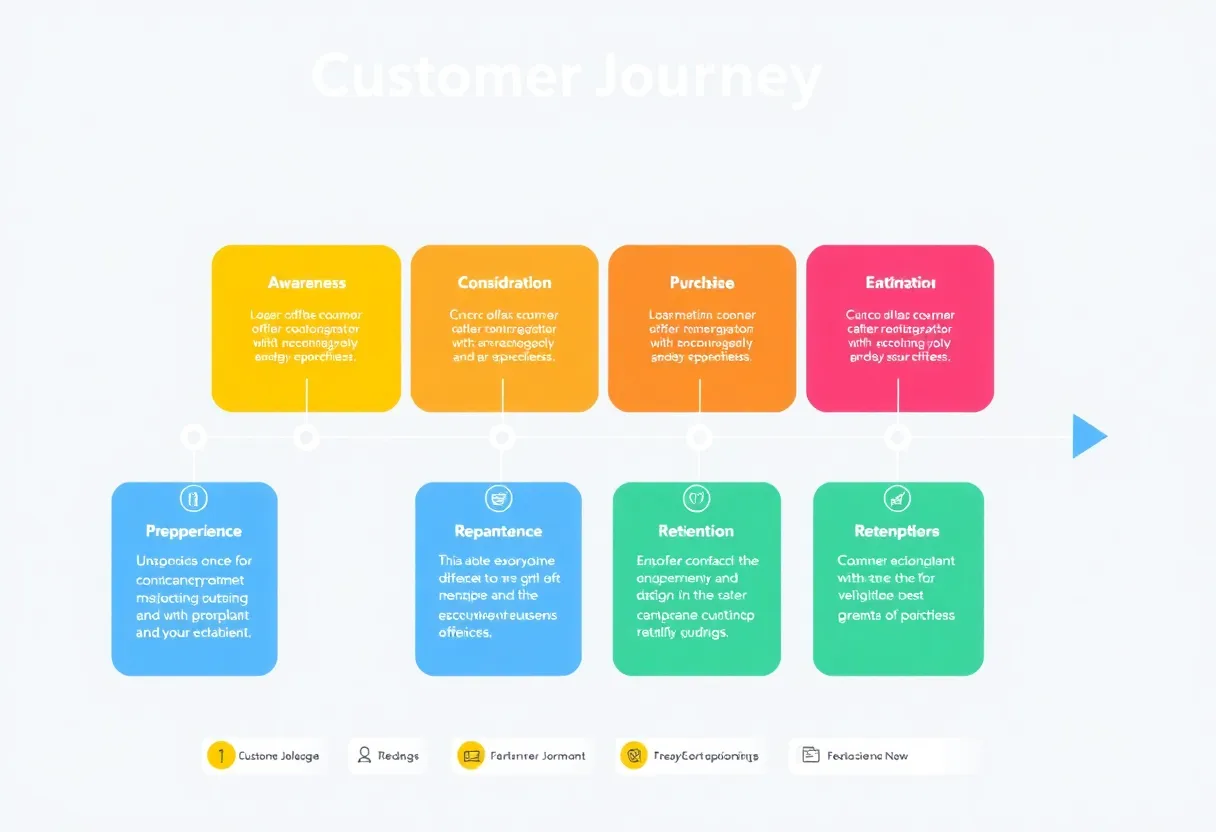

How Can You Use Storytelling Techniques to Captivate Your Audience in Digital Marketing?
In today’s crowded marketplace, capturing and retaining the attention of an audience is paramount. One of the most effective ways to engage consumers is through the power of storytelling. By employing storytelling techniques in digital marketing, brands can forge deeper connections, evoke emotions, and leave lasting impressions. This article delves into how you can leverage storytelling to captivate your audience, enhance brand loyalty, and drive conversions.
Understanding Storytelling in Digital Marketing
Storytelling is the art of conveying messages through narratives. In digital marketing, it transcends mere advertising by creating a compelling context around a product or service. It allows brands to showcase their values, mission, and the customer journey. When done correctly, storytelling can turn a mundane message into an engaging and impactful experience.
The Importance of Emotional Engagement
Emotions play a crucial role in decision-making. According to research, consumers are more likely to remember stories over standalone facts. This is because stories evoke emotions, making the experience relatable and memorable. By integrating emotional hooks into your marketing strategy, you can enhance audience engagement and connection.
Creating a Relatable Character
A relatable character can serve as the heart of your story. This character could be a customer who faced challenges your product can help solve. By presenting real experiences, you can create empathy. Consumers recognize themselves in these characters, making them more likely to connect with your brand.
Building a Compelling Conflict
Every great story contains conflict—a challenge that needs resolution. In marketing, this could be a problem faced by the character. By highlighting this conflict, you grab the audience’s attention, drawing them into the narrative. It creates a sense of urgency and encourages them to ponder the solution your product provides.
Structuring Your Story Effectively
Creating a compelling story requires a structured approach. A typical narrative arc involves an introduction, rising action, climax, and resolution. Following this structure in your digital marketing efforts can systematically lead your audience through the desired emotional and intellectual journey.
The Introduction: Setting the Scene
The introduction is where you set the stage. Introduce your character and the world they inhabit. Establishing context helps viewers understand the stakes involved—as well as the character’s motivations. This groundwork is vital to hook the audience’s interest from the outset.
The Rising Action: Building Tension
In this phase, introduce the conflict. Present challenges or obstacles faced by your character. This creates tension and compels the audience to want to know how the conflict will unfold. Use vivid language and imagery to paint a picture, allowing your audience to emotionally invest in the character’s journey.
The Climax: The Turning Point
Every story has a climax that serves as the pivotal moment. For digital marketing, this could be the point when your product or service provides the solution. It is the moment of revelation that can lead to a transformational experience for the character. This is where you emphasize the value of your offering.
The Resolution: Delivering Satisfaction
The resolution wraps up the story and provides closure. Show the positive outcome resulting from the character’s journey. Highlight how their life improved thanks to your product. This reinforces the benefits and encourages the audience to take action, whether it’s making a purchase or signing up for a newsletter.
The Role of Visuals in Storytelling
Visual content can significantly enhance storytelling in digital marketing. High-quality images, videos, and infographics can reinforce the narrative, providing context that words alone may not convey. Here’s how visuals enhance storytelling:
Creating Emotional Resonance
Visuals can evoke emotions quickly. An impactful image or a gripping video can tell a story in mere seconds, capturing attention in a way text alone may struggle to do. Combining images with your narrative deepens audience engagement, allowing for a more immersive experience.
Utilizing Multimedia Storytelling
Incorporating various forms of media—such as videos, GIFs, and podcasts—enhances storytelling effectiveness. Each format offers a unique way to convey information and emotion. Alternating between these formats can maintain audience interest, keeping them engaged throughout the narrative.
Channeling Perspectives: Whose Story Are You Telling?
Identifying the perspective from which you narrate your story is critical. There are primarily two approaches—first-person and third-person narratives. Each offers unique advantages that can influence how consumers perceive and connect with your brand.
First-Person Narrative
A first-person narrative can create a highly intimate experience. It allows audiences to see through your character’s eyes. This approach leads to deeper emotional connections and increases relatability. When consumers feel like they’re part of the story, they’re more likely to engage positively with the brand.
Third-Person Narrative
Conversely, a third-person narrative provides a broader perspective. It allows for a more objective view of the story. This perspective can be useful in crafting complex narratives involving multiple characters, showcasing diverse experiences, and highlighting various aspects of the brand.
Using Data to Support Your Story
The integration of data can enhance the credibility of your storytelling. Providing statistics, testimonials, or case studies can substantiate your narrative. This solidifies the claim that your product or service delivers results. It establishes trust and reliability among consumers.
Incorporating Customer Testimonials
Real stories from satisfied customers can create authority and authenticity. Testimonials provide social proof, reinforcing your narrative. The more relatable these stories are, the more likely your audience will envision similar benefits.
Creating Infographics
Infographics are an embodiment of storytelling through data. Visual representations of statistics and information not only enhance engagement but also make complex information digestible. They can summarize your story effectively while keeping audience interest alive.
Engaging with Your Audience Through Multi-Platform Storytelling
In the digital world, storytelling can take place across numerous platforms. Each platform has its own strengths, which can be leveraged to extend your narrative. Incorporating cross-channel storytelling can amplify your message.
Social Media
Social media provides opportunities for real-time storytelling. Engage your audience through polls, contests, and interactive content, encouraging them to be part of your narrative. Use stories on platforms like Instagram or Facebook to share snippets of your larger journey, maintaining audience engagement.
Email Marketing
Email campaigns can foster deeper storytelling experiences. Utilize segmented lists to tailor stories to different audience segments. Personalized content resonates better; weaving a narrative into your emails generates interest and improves open and click-through rates.
Measuring the Effectiveness of Your Storytelling
Once you have implemented storytelling techniques, measuring their effectiveness is crucial. Analytics are your best friend in determining how well your stories resonate with your audience.
Engagement Metrics
Track engagement metrics such as comments, shares, and likes. High engagement rates indicate that your audience is connecting with your story. Take note of which narratives generate the most engagement to refine future content.
Conversion Tracking
Monitor conversion rates related to storytelling efforts. If a specific story leads to increased sales, it’s an indication that the narrative was successful. Utilize A/B testing to compare different storytelling styles and determine which resonates best.
Conclusion
Storytelling in digital marketing is more than just a trend; it’s an essential tool for creating meaningful connections with your audience. By crafting relatable characters, structuring compelling narratives, utilizing visuals, and engaging across multiple platforms, brands can effectively captivate their audience. Emotional resonance, paired with data support, fosters trust and loyalty. As you continue to refine your storytelling techniques, remember that the ultimate goal is to create a shared experience that resonates well beyond the initial interaction with your brand.

Author: STAFF HERE ROCK HILL
The ROCK HILL STAFF WRITER represents the experienced team at HERERockHill.com, your go-to source for actionable local news and information in Rock Hill, York County, and beyond. Specializing in "news you can use," we cover essential topics like product reviews for personal and business needs, local business directories, politics, real estate trends, neighborhood insights, and state news affecting the area—with deep expertise drawn from years of dedicated reporting and strong community input, including local press releases and business updates. We deliver top reporting on high-value events such as the Come-See-Me Festival, Rock Hill Arts Festival, and motorsport events at the Rock Hill Velodrome. Our coverage extends to key organizations like the Rock Hill Chamber of Commerce and the Culture & Heritage Museums, plus leading businesses in manufacturing and technology that power the local economy such as 3D Systems and Comporium. As part of the broader HERE network, including HEREAiken.com, HEREBeaufort.com, HEREChapin.com, HERECharleston.com, HEREClinton.com, HEREColumbia.com, HEREGeorgetown.com, HEREGreenwood.com, HEREGreenville.com, HEREHiltonHead.com, HEREIrmo.com, HEREMyrtleBeach.com, HERENewberry.com, HERERockHill.com, and HERESpartanburg.com, we provide comprehensive, credible insights into South Carolina's dynamic landscape.