
How Can You Use Customer Journey Mapping to Enhance Your Digital Marketing Experience?
Customer journey mapping is an essential tool in digital marketing that provides a holistic view of the consumer experience, allowing businesses to tailor their marketing strategies effectively. By understanding the customer journey, companies can identify pain points and opportunities for improvement, enhancing overall effectiveness in their marketing campaigns.
Understanding Customer Journey Mapping
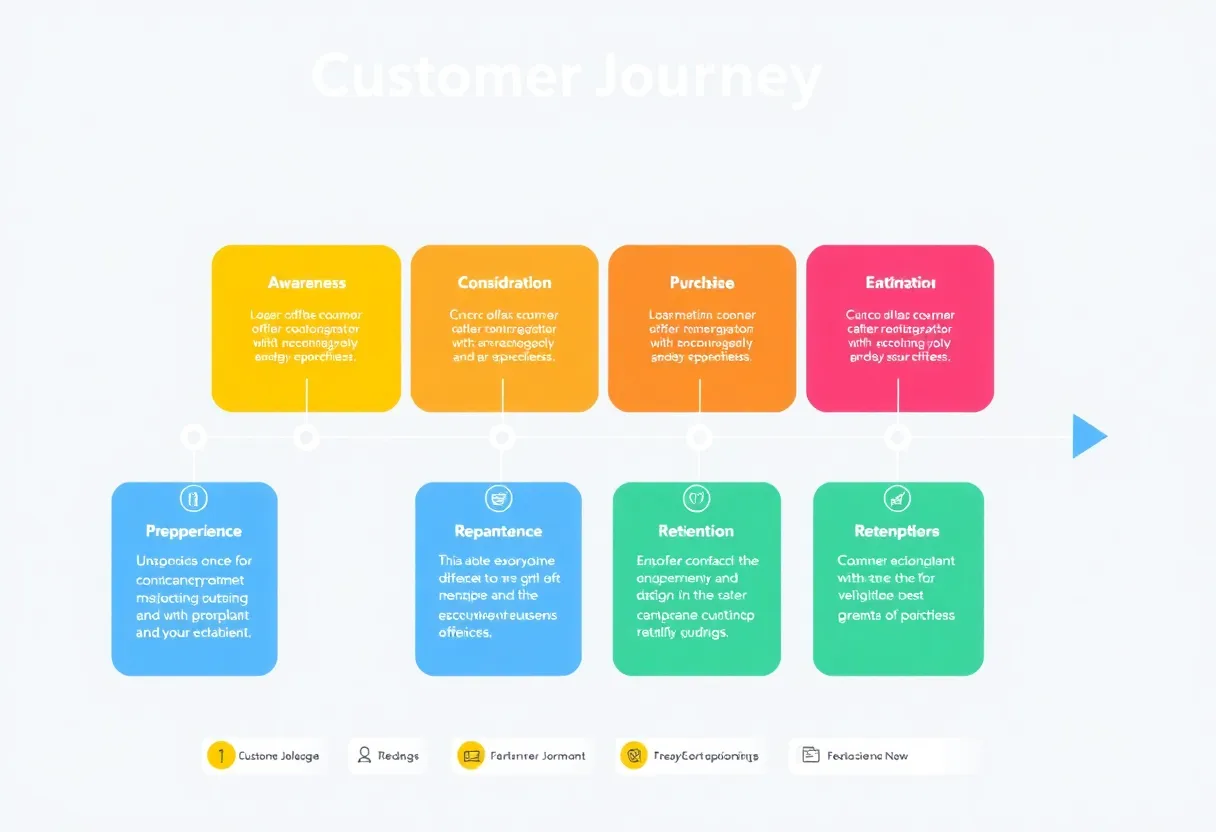
Customer journey mapping is a visual representation of the steps a customer takes when interacting with a brand. It outlines all the touchpoints, from initial awareness to purchase and beyond. This tool helps marketers visualize the consumer’s experience, revealing where they may encounter obstacles or frustrations.
Elements of a Customer Journey Map
- Stages: Typical stages include awareness, consideration, purchase, retention, and advocacy.
- Touchpoints: Any interaction a customer has with the brand, including social media, website visits, customer service calls, and emails.
- Emotions: Understanding the emotional state of the customer at each stage can provide insights into potential improvements.
- Channels: Identifying which marketing channels customers interact with helps optimize marketing strategies.
The Importance of Customer Journey Mapping in Digital Marketing
Utilizing customer journey mapping in digital marketing strategies creates a more personalized experience for consumers. By identifying various stages of the journey and optimizing touchpoints, organizations can significantly enhance customer engagement.
Building Customer Personas
Before creating a customer journey map, it’s crucial to develop clear customer personas. These fictional representations encapsulate the various segments of your target audience. By understanding their demographics, preferences, and behaviors, marketers can customize their strategies effectively.
Enhancing Digital Marketing through Customer Journey Mapping
1. Identifying Pain Points
Customer journey mapping reveals friction areas where customers may struggle. By analyzing the touchpoints, businesses can pinpoint issues causing irritation or confusion and make informed adjustments to their marketing efforts.
2. Tailoring Content and Messaging
Each stage of the customer journey requires specific types of content and messaging. For instance, customers in the awareness stage may respond well to informative blog posts, while those in the consideration stage may prefer detailed product comparisons. Mapping the journey helps marketers create tailored content for every stage.
3. Optimizing Marketing Channels
Mapping the customer journey determines which channels are most effective for reaching your audience. This insight enables marketers to allocate resources efficiently, focusing on high-impact channels and optimizing those that underperform.
4. Enhancing the User Experience
By understanding the customer’s emotions during their journey, companies can enhance the overall user experience. Whether it’s simplifying website navigation or ensuring faster response times in customer service, this empathetic approach can lead to increased satisfaction.
5. Aligning Marketing Strategies with Consumer Needs
Customer journey mapping allows organizations to align their marketing strategies with consumer needs and behaviors. By continuously adjusting tactics based on the customer’s journey, businesses can stay relevant and responsive.
Steps to Create a Customer Journey Map
Step 1: Define Clear Objectives
Determine what you want to achieve with the customer journey map. For example, are you aiming to improve customer retention or boost conversions? Clear objectives guide the entire mapping process.
Step 2: Gather Data
Utilize data from various sources, such as customer feedback, analytics, and surveys. This data forms the foundation for your journey map and ensures it accurately reflects the customer experience.
Step 3: Identify Customer Touchpoints
List the various touchpoints at which customers interact with your brand. This step includes online channels like social media and email, as well as offline interactions like in-store visits.
Step 4: Map Out the Customer Journey
Create a visual representation of the customer journey using charts or diagrams. Highlight each stage, touchpoint, and associated emotions to provide a comprehensive view of the entire experience.
Step 5: Analyze and Identify Improvements
Review the mapped journey to identify areas for improvement. Focus on key pain points and areas where customers may experience frustration or confusion. Prioritize changes based on potential impact.
Step 6: Implement Changes and Monitor Results
Implement the identified changes in your marketing strategies. Continuously monitor customer interactions to assess the effectiveness of the changes and adjust accordingly.
Best Practices for Effective Customer Journey Mapping
1. Involve Cross-functional Teams
Collaborate with various departments, including marketing, sales, and customer service. Diverse perspectives contribute to a more comprehensive understanding of the customer journey.
2. Regularly Update Your Map
The customer journey is not static; it evolves over time. Regularly update your journey map based on new data and customer insights to maintain its relevance.
3. Test Your Assumptions
Conduct user testing or gather feedback to validate your assumptions about the customer journey. This engagement with actual customers can reveal discrepancies and opportunities for refinement.
4. Prioritize Actionable Insights
Focus on actionable insights derived from the customer journey map. It’s important to translate your findings into concrete steps that can enhance the digital marketing experience.
Conclusion
Customer journey mapping serves as a powerful tool to enhance digital marketing efforts. By truly understanding the customer experience, marketers can create personalized, effective strategies that engage their audience at every level. Optimizing touchpoints, addressing pain points, and aligning with consumer needs can lead to improved customer satisfaction and loyalty.
As digital marketing continues to evolve, employing techniques such as customer journey mapping will be critical for brands seeking to stay competitive and responsive in an ever-changing landscape. Invest the time and effort to create clear, actionable journey maps, and witness the positive impact on both customer experience and business outcomes.

Author: STAFF HERE ROCK HILL
The ROCK HILL STAFF WRITER represents the experienced team at HERERockHill.com, your go-to source for actionable local news and information in Rock Hill, York County, and beyond. Specializing in "news you can use," we cover essential topics like product reviews for personal and business needs, local business directories, politics, real estate trends, neighborhood insights, and state news affecting the area—with deep expertise drawn from years of dedicated reporting and strong community input, including local press releases and business updates. We deliver top reporting on high-value events such as the Come-See-Me Festival, Rock Hill Arts Festival, and motorsport events at the Rock Hill Velodrome. Our coverage extends to key organizations like the Rock Hill Chamber of Commerce and the Culture & Heritage Museums, plus leading businesses in manufacturing and technology that power the local economy such as 3D Systems and Comporium. As part of the broader HERE network, including HEREAiken.com, HEREBeaufort.com, HEREChapin.com, HERECharleston.com, HEREClinton.com, HEREColumbia.com, HEREGeorgetown.com, HEREGreenwood.com, HEREGreenville.com, HEREHiltonHead.com, HEREIrmo.com, HEREMyrtleBeach.com, HERENewberry.com, HERERockHill.com, and HERESpartanburg.com, we provide comprehensive, credible insights into South Carolina's dynamic landscape.