How to Identify and Fix Common Roof Ventilation Issues: A DIY Guide for Homeowners
Effective roof ventilation is essential for maintaining a healthy home environment. It helps regulate temperature, prevents moisture buildup, and extends the life of your roofing materials. Understanding how to identify and fix common ventilation issues can save you time, money, and hassle. This guide outlines the steps homeowners can take to address these problems, ensuring their roofs remain functional and effective.
Understanding Roof Ventilation
What is Roof Ventilation?
Roof ventilation is the process that allows air to circulate in the attic space. Proper ventilation helps keep your home’s interior comfortable while protecting your roof and its components from damage caused by excessive heat and humidity. Effective ventilation systems typically consist of two types: inlet vents and outlet vents.
Importance of Roof Ventilation
Good ventilation is necessary for several reasons:
- Temperature Regulation: It prevents heat buildup during summer.
- Moisture Control: It eliminates excess humidity, reducing the risk of mold and rot.
- Energy Efficiency: It enhances energy efficiency by reducing cooling and heating costs.
- Prolonged Roof Life: It prevents premature deterioration of roofing materials.
Common Roof Ventilation Issues
1. Insufficient Ventilation
Insufficient ventilation occurs when there are too few vents to facilitate adequate airflow. This is commonly seen in homes with inadequate intake and exhaust systems.
- Symptoms: High indoor temperatures, condensation on windows, and peeling paint.
- Solutions: Install additional soffit vents or ridge vents to enhance airflow.
2. Blocked Vents
Blocked vents can occur due to debris, insulation, or other obstructions. These blockages prevent proper airflow and lead to hot, stagnant air.
- Symptoms: Stuffy attic, increased energy costs, and visible mold growth.
- Solutions: Regularly clean and inspect vents. Trim overhanging branches that may block vents.
3. Poorly Designed Ventilation Systems
A poorly designed ventilation system may have an improper balance of intake and exhaust vents, which leads to inefficient airflow.
- Symptoms: Ice dams in winter, hot attic in summer, and erratic indoor temperatures.
- Solutions: Consult a roofing professional to assess and redesign the ventilation system.
4. Inadequate Exhaust Vents
Exhaust vents are crucial for removing hot air from the attic. When these are insufficient, stale air remains trapped, leading to increased temperatures.
- Symptoms: Warping of roofing materials and visible roof damage.
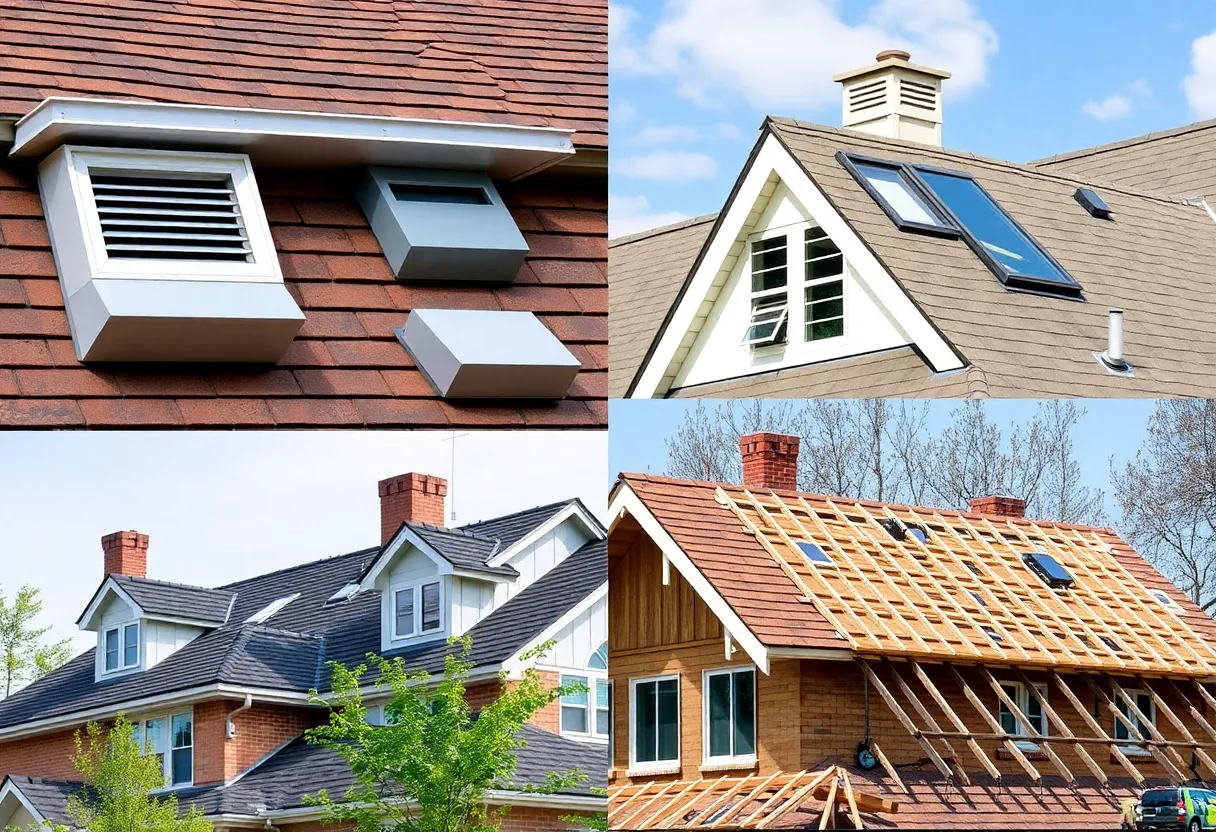
- Solutions: Install or upgrade turbine vents, ridge vents, or gable vents for better exhaust capabilities.
Identifying Ventilation Issues
Visual Inspection
Start with a thorough visual inspection of your roof and attic. Look for signs such as:
- Dark stains on ceilings and walls indicating moisture.
- Rust and corrosion on metal roofing materials.
- Accumulation of debris in and around vents.
Temperature and Humidity Checks
Using a digital thermometer and hygrometer can help assess temperature and humidity levels in your attic space. Ideal temperatures should not exceed 10-15 degrees hotter than the outside air during hot summer months.
Mold and Fungus Presence
Check for mold, mildew, or fungus in the attic. Their presence is often a strong indication of poor ventilation leading to condensation buildup.
DIY Fixes for Common Issues
Enhancing Airflow
Improving airflow is critical to fixing ventilation issues. Here’s how to achieve it:
1. Install Soffit Vents
Soffit vents offer lower intake, allowing cool air to enter the attic space, balancing the airflow. Install them along eaves to help promote better circulation.
2. Install Ridge Vents
Ridge vents run along the peak of the roof, allowing hot air to escape. They can be installed during a roof replacement or retrofitted on an existing roof.
3. Use Gable Vents
Gable vents installed on the side of the house can be a supplementary option to assist with exhaust. Make sure there is an appropriate balance between intake and exhaust vents.
Removing Blockages
Regular maintenance is essential to ensure vents remain free from blockages. Here are steps to address it:
1. Clear Debris
Remove debris such as leaves, twigs, and other obstructions from vents. Use a vacuum cleaner or a brush for cleaning.
2. Trim Overgrowth
Cut back any tree branches or vegetation around your roof that may obstruct airflow through vents.
Insulation Adjustments
Improper insulation can block airflow in the attic. Ensure insulation is not covering vents:
1. Reposition Insulation
Ensure insulation is properly placed and does not obstruct airflow. Use insulation baffles to create air channels near soffit vents.
2. Replace Damaged Insulation
Replace any damp or moldy insulation materials to enhance airflow and prevent moisture accumulation.
When to Call a Professional
While many issues can be addressed through DIY methods, some situations warrant professional assistance. Consider consulting an expert when:
- The roof has significant structural issues.
- There’s widespread mold presence that poses health risks.
- Complicated ventilation designs confuse your assessment.
- The roof requires an overhaul beyond simple adjustments.
Regular Maintenance Tips
Maintaining proper roof ventilation is an ongoing process. Here are some tips for regular upkeep:
Regular Checks
Inspect your roof and attic at least once a year, preferably in the spring and fall, to identify potential issues.
Seasonal Cleaning
Clean gutters and downspouts to ensure rainwater drains effectively. Clear off debris that could compromise vent functionality.
Monitor Indoor Conditions
Pay attention to indoor humidity levels. If indoor humidity exceeds 50%, consider additional ventilation solutions.
Conclusion
Understanding and addressing roof ventilation issues is vital for homeowners. By identifying problems early and implementing effective DIY fixes, you can prevent expensive repairs associated with poor ventilation. Remember to regularly inspect and maintain your roof and ventilation systems to ensure optimal performance. If extensive repairs are needed, don’t hesitate to seek professional support. A well-ventilated home not only enhances comfort but also safeguards your investment in your property.

 Mays Contracting