
How Can You Use Customer Journey Mapping to Maximize Your Digital Marketing Impact?
Introduction to Customer Journey Mapping
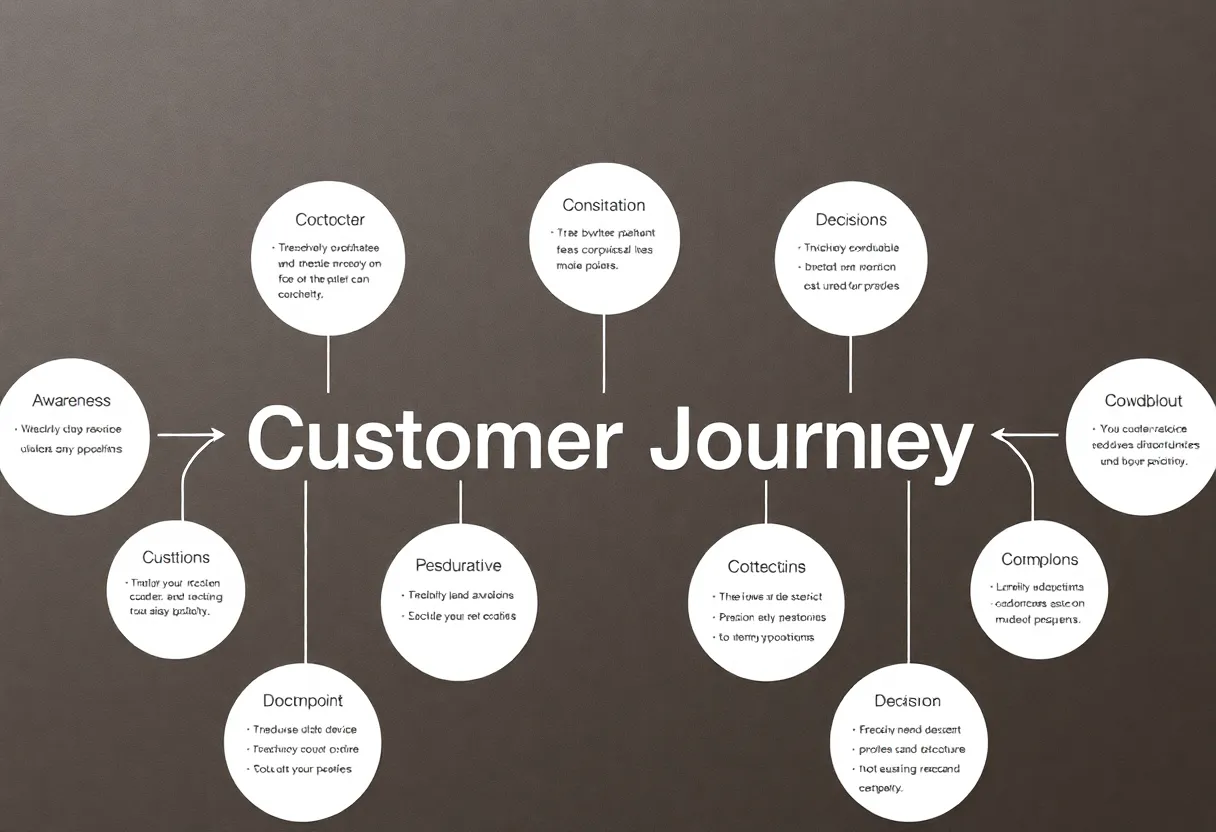
In today’s competitive landscape, understanding the customer journey is vital for crafting effective digital marketing strategies. Customer journey mapping involves visualizing the complete experience a customer has with your brand. From discovering your products to making a purchase, every touchpoint is essential. By doing so, businesses can identify opportunities to enhance engagement and build stronger relationships with their audiences.
The Importance of Understanding the Customer Journey
Understanding the customer journey allows marketers to appreciate the motivations and challenges customers face. It provides insights into customer behavior, enabling more targeted marketing efforts. A well-mapped journey helps businesses:
- Identify key touchpoints.
- Understand customer emotions at each stage.
- Detect areas for improvement.
By pinpointing these factors, marketers can address pain points and enhance customer satisfaction effectively.
Stages of the Customer Journey
The customer journey can be broadly divided into four main stages:
- Awareness: Potential customers become aware of your brand and products through various channels.
- Consideration: Customers evaluate options and begin comparing competitors.
- Decision: The point at which customers decide to make a purchase.
- Post-Purchase: Experiences after the purchase, including customer support and follow-up.
Each stage requires tailored marketing messages and strategies to drive customer engagement and conversion.
Creating Your Customer Journey Map
Mapping the customer journey is a methodical process that requires input from various stakeholders. Here are steps to effectively create a customer journey map:
1. Define Customer Personas
Creating customer personas involves gathering data about your target audience. Demographics, interests, and behaviors inform your marketing strategies. These personas guide how you communicate with each segment, addressing their specific needs.
2. Identify Touchpoints
Touchpoints are the interactions a customer has with your brand. By listing out these interactions, you can pinpoint where customers are most likely to engage with your business, be it through social media, emails, or web searches.
3. Map the Emotional Journey
Understanding how customers feel at each stage can uncover valuable insights. Emotional mapping involves analyzing customer perceptions and expectations. Positive experiences should be reinforced, while negative emotions must be addressed.
4. Analyze Customer Feedback
Collecting feedback is crucial. Surveys, reviews, and feedback forms provide insights into customer perceptions. Analyzing this information helps validate assumptions and highlight gaps in service delivery.
5. Test and Revise
Customer journey maps are dynamic. Regular testing and revision based on new data ensure that your strategies remain relevant. Continuously monitoring customer interactions can provide fresh insights to optimize your approach.
Leveraging Customer Journey Mapping for Digital Marketing Impact
Once the customer journey is mapped, you can leverage it to improve your digital marketing strategies in several impactful ways.
1. Crafting Targeted Content
Customer journey mapping helps marketers develop content tailored to the journey. Content can include blog posts, social media updates, videos, and newsletters. Aligning content with specific stages of the journey ensures relevance, enhancing customer engagement.
2. Improving User Experience
By identifying friction points in the journey, businesses can enhance user experience. Streamlining processes such as website navigation and simplifying the checkout process can result in higher conversions and reduced cart abandonment rates.
3. Optimizing Marketing Channels
Customer journey mapping provides clarity on which marketing channels perform best at each stage. Understanding channel effectiveness allows for better allocation of resources and optimizes return on investment.
4. Personalizing Marketing Efforts
Personalization leads to more significant customer engagement. By leveraging data from customer journey maps, marketers can send personalized messages that resonate with individual customer preferences and behaviors.
5. Aligning Marketing and Sales Efforts
A shared understanding of the customer journey among marketing and sales teams fosters alignment. When both teams collaborate to understand customer experiences, it leads to more coherent messaging and a more seamless customer experience.
Challenges in Customer Journey Mapping
While beneficial, customer journey mapping is not without challenges. Here are some hurdles marketers may encounter:
1. Data Silos
Fragmented data can lead to incomplete customer insights. Ensuring centralized access to data from various departments is crucial for creating an accurate map.
2. Complexity of Customer Behavior
Customer behavior can be unpredictable. Mapping traditional linear journeys may not capture the complexity of modern consumer behaviors effectively.
3. Evolving Customer Expectations
Customer expectations change rapidly. Marketers must remain agile and adapt their strategies to evolving trends and customer needs consistently.
Final Thoughts
Customer journey mapping is instrumental in maximizing digital marketing impact. It provides a framework for understanding customer experiences, leading to improved engagement and higher conversion rates.
Employing a structured approach to create and utilize customer journey maps ensures that marketing efforts are aligned with customer needs. As businesses navigate the complexities of digital marketing, understanding the customer journey will remain a critical element for achieving lasting success.
Customers today are sophisticated and demand more personalized experiences. By leveraging customer journey mapping effectively, brands can meet and exceed these expectations, leading to increased loyalty and long-term relationships.
Conclusion
In conclusion, customer journey mapping serves as a powerful tool for maximizing your digital marketing impact. By implementing this approach, marketers can ensure that they not only meet customers at each touchpoint but also create meaningful interactions throughout their journey.
Embrace the insights derived from customer journey maps, and use them to innovate your marketing strategies, enhance customer satisfaction, and drive business growth.