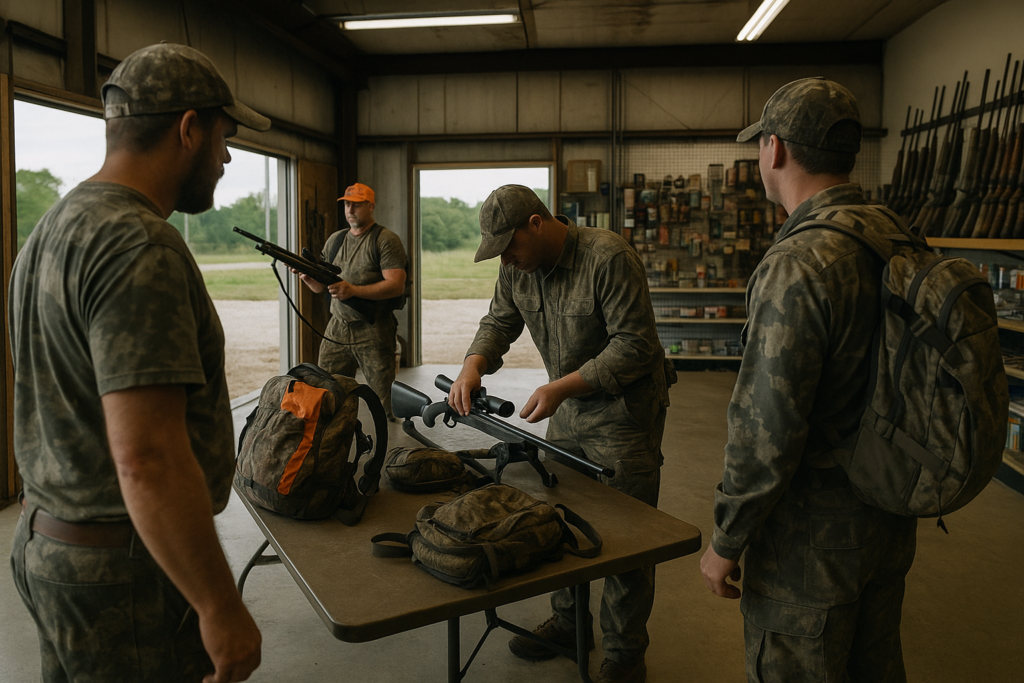
The summer months offer a critical window for hunters to prepare their gear before the opening of various hunting seasons. This period, characterized by warmer weather, allows for detailed inspection and maintenance of equipment that is often stored for extended periods. Proactive checks can prevent failures in the field and enhance safety.
Key components of hunting gear require meticulous examination. Optics, including rifle scopes and binoculars, should be checked for clarity, alignment, and any signs of damage. Dust or debris can impair performance, and internal fogging can render them useless. Cleaning lenses and ensuring proper zero are essential steps.
Safety harnesses, vital for tree stand hunting, must be inspected for wear and tear on straps, buckles, and stitching. Any fraying or damage compromises their integrity and poses a significant risk. Similarly, boots should be checked for sole separation, worn treads, and waterproofing integrity. Repairing or replacing damaged footwear is crucial for comfort and protection in rugged terrain.
Backpacks, whether for day trips or extended excursions, should be emptied and cleaned. Zippers, buckles, and straps need to be tested for functionality. Inspecting weatherproof storage solutions, such as dry bags or cases, for any breaches or damage is also recommended. These items protect essential gear from the elements.
Beyond core equipment, hunters should also attend to consumables and communication devices. First-aid kits need to be reviewed, with expired items replaced. This includes bandages, antiseptic wipes, pain relievers, and any personal medications. Testing communication tools, such as satellite messengers or two-way radios, is paramount for safety, especially when venturing into remote areas where cell service may be unreliable.
Local hunters are reminded to consult current, official state wildlife and fisheries resources for precise season dates and regulations. These dates can vary by game species and specific zones within the state. Relying on up-to-date information from local authorities ensures compliance and avoids potential penalties.
This proactive approach to gear maintenance during the summer not only ensures that equipment is in optimal condition but also allows hunters to familiarize themselves with their gear before the pressure of an active season begins. It is a practice that contributes to a safer and more successful hunting experience in the fall and beyond.