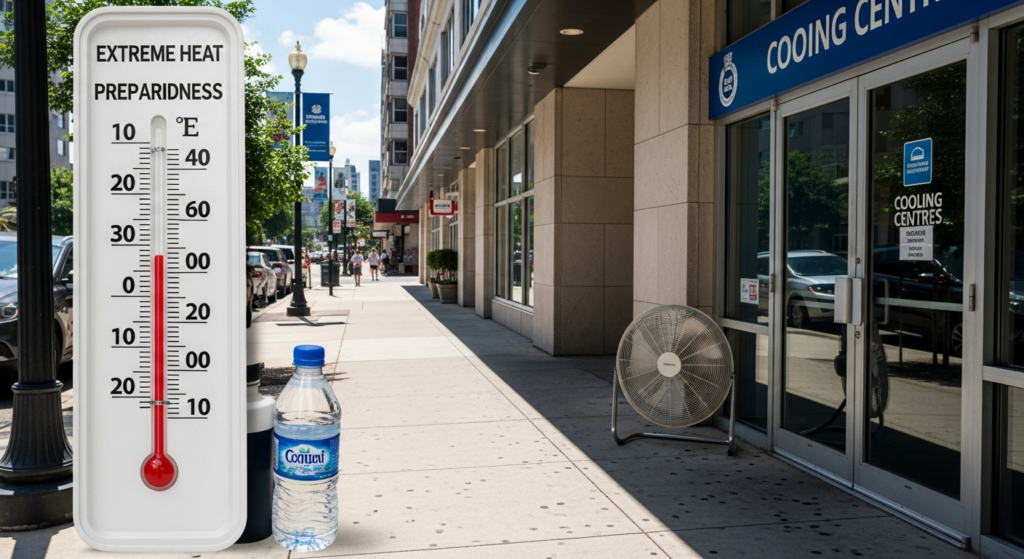
A historic heat wave is gripping much of the United States as the nation approaches the Fourth of July holiday weekend, prompting public safety concerns across broad swaths of the central and eastern U.S. More than 160 million people are currently under extreme heat warnings or heat advisories, with real-feel temperatures projected to reach between 100 and 115 degrees in many affected areas.
The widespread conditions mean that communities like Rock Hill, situated in the Piedmont region, are preparing for elevated risks associated with extreme heat. While local temperature specifics for Rock Hill were not immediately available, the regional nature of the heat wave suggests residents should remain vigilant regarding heat-related illnesses and safety protocols.
Public health officials across the country are emphasizing the importance of hydration, advising individuals to drink plenty of water and avoid sugary or alcoholic beverages. Limiting strenuous outdoor activities, especially during the hottest parts of the day, is also a common recommendation. The elderly, young children, and individuals with chronic health conditions are particularly vulnerable to heat stroke and heat exhaustion.
The timing of the heat wave, coinciding with the July Fourth holiday, raises additional considerations for outdoor gatherings and celebrations. Many families in Rock Hill and York County typically plan outdoor activities, barbecues, and visits to local parks such as Glencairn Garden, Cherry Park, or Manchester Meadows. The intense heat could necessitate adjustments to these plans, with a greater emphasis on shaded areas, early morning or late evening activities, and access to air-conditioned spaces.
Local institutions and service providers in Rock Hill are often on heightened alert during periods of extreme weather. Piedmont Medical Center, a major employer and healthcare provider in the city, would typically prepare for a potential increase in patients presenting with heat-related symptoms. Emergency services, managed by the City of Rock Hill, also face increased demand during such events, responding to calls for assistance and ensuring public safety.
The heat can also place stress on local infrastructure. Utility providers, including those serving Rock Hill, may see increased demand for electricity as residents rely more heavily on air conditioning. Maintaining essential services and ensuring the stability of power grids becomes a critical task during prolonged periods of high temperatures.
For those who must work outdoors, such as construction workers or landscapers, the risks are particularly acute. Employers are often advised to implement measures to protect their staff, including providing frequent breaks in cool environments, ensuring access to water, and monitoring for signs of heat stress. The economic impact of such a heat wave can be subtle but pervasive, affecting productivity and altering consumer behavior as people seek refuge indoors.
The widespread nature of this heat event underscores the importance of community awareness and preparedness. While the immediate focus is on the holiday weekend, the broader implications for public health and local services in Rock Hill extend beyond a single event, prompting ongoing attention to extreme weather protocols.
### Why it matters in Rock Hill
The historic heat wave gripping the nation carries significant implications for Rock Hill, directly impacting public health, city services, and the daily lives of its residents. Institutions like Piedmont Medical Center are central to the community’s response, preparing for potential increases in heat-related emergencies and ensuring critical care capacity. The City of Rock Hill’s emergency management and public works departments play a vital role in maintaining essential services, from ensuring water supply to managing public spaces like Glencairn Garden and Cherry Park, which might see altered usage patterns. This widespread heat event highlights the need for local preparedness and vigilance, influencing how residents plan their holiday activities and how the city’s infrastructure responds to environmental stressors during the summer months.