Rock Hill and the broader York County area are preparing for a period of extreme heat and humidity coinciding with the Fourth of July holiday weekend. A heat dome, affecting hundreds of millions across the eastern United States, is expected to drive real-feel temperatures into a dangerous range, potentially reaching between 100 and 115 degrees from Friday, July 3, through at least Sunday, July 5.
The prolonged exposure to such conditions poses significant challenges for home gardens, outdoor activities, and public health across the region, including in Rock Hill. Local experts and public safety officials are advising residents to implement a series of precautions to mitigate the risks associated with the intense summer heat.
### Protecting Gardens and Landscapes in Rock Hill
Homeowners and gardeners in Rock Hill face a critical period for their plants. The high temperatures and increased evaporation rates demand careful attention to watering practices. Deep and infrequent watering is generally more effective than shallow, frequent watering, as it encourages roots to grow deeper, making plants more resilient to heat stress. The optimal times for watering are typically in the early morning or late evening, when temperatures are cooler and evaporation is minimized.
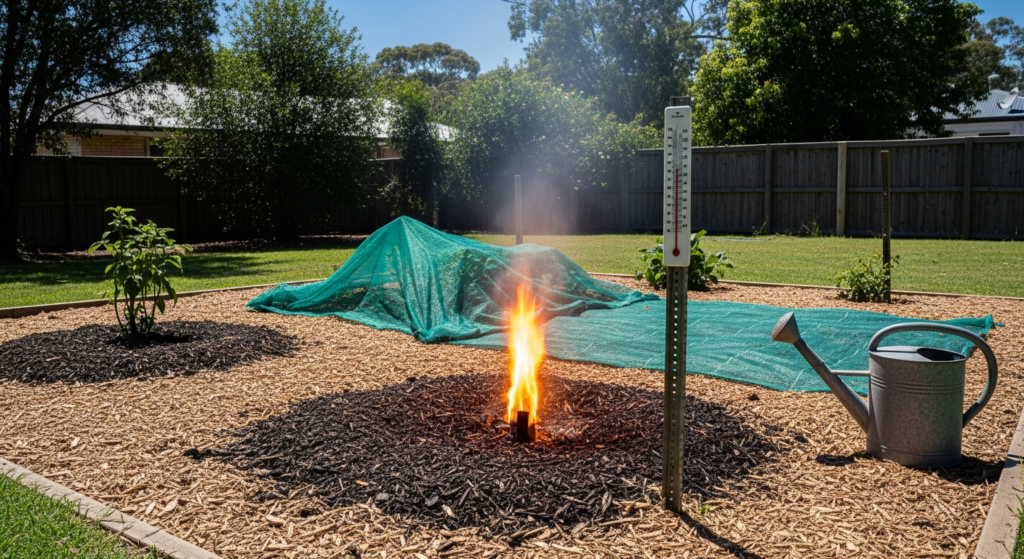
Mulching plays a vital role in conserving soil moisture and regulating soil temperature. A two-to-four-inch layer of organic mulch around plants can significantly reduce water loss and protect roots from scorching heat. For sensitive plants, such as hydrangeas, azaleas, or certain vegetable varieties common in Rock Hill gardens, temporary shade cloths can provide crucial protection during the hottest parts of the day. Container plants, due to their limited soil volume, are particularly vulnerable to drying out quickly and may require daily monitoring and watering.
Lawns also require specific care during a heat wave. Raising the mower blade to a higher setting allows grass blades to shade the soil, reducing moisture loss. Avoiding fertilization during extreme heat is also advisable, as it can stress the turf. Local green spaces like Glencairn Garden, a prominent horticultural landmark in Rock Hill, exemplify the constant vigilance required to maintain plant health under challenging summer conditions.
### Outdoor Activities and Personal Safety
For residents planning outdoor Fourth of July celebrations or simply engaging in daily activities, personal safety is paramount. Hydration is the most critical factor; consistent water intake, even when not feeling thirsty, is essential. Avoiding sugary drinks, alcohol, and excessive caffeine, which can contribute to dehydration, is also recommended.
Limiting strenuous outdoor activities to the cooler parts of the day, typically before 10 a.m. and after 4 p.m., can significantly reduce the risk of heat-related illnesses. When outdoors, wearing light-colored, loose-fitting clothing and a wide-brimmed hat can help reflect sunlight and keep the body cooler. Frequent breaks in shaded or air-conditioned environments are crucial, especially for those who must work outdoors. This includes employees of the City of Rock Hill’s parks and public works departments, as well as those in construction and landscaping roles across York County.
Public spaces like Cherry Park, Fountain Park, Ebenezer Park, and Manchester Meadows, which typically see high levels of activity, will require visitors to be extra mindful of heat precautions. While enjoying water recreation on Lake Wylie or the Catawba River, individuals should remember that even in water, the body can still overheat, and sun exposure remains a significant concern. Staying hydrated and taking breaks from direct sunlight are still necessary.
### Vulnerable Populations and Pet Safety
The elderly, young children, and individuals with chronic medical conditions are particularly susceptible to heat-related illnesses. Checking on neighbors, friends, and family members who fall into these categories can be a life-saving measure. Ensuring they have access to cool environments and adequate hydration is a community responsibility.
Pets also require special consideration during a heat wave. Animals can suffer from heatstroke just like humans. Pet owners in Rock Hill should ensure their animals have constant access to fresh, cool water and shade. Walks should be limited to early mornings or late evenings to prevent paw pad burns from hot pavement and to avoid overheating. Never leave pets unattended in parked vehicles, even for short periods, as interior temperatures can rise rapidly to dangerous levels.
### Why it matters in Rock Hill
This impending heat wave holds significant implications for Rock Hill, directly impacting the well-being of its residents and the operations of local institutions. The increased risk of heatstroke, dehydration, and other heat-related emergencies could place additional strain on healthcare providers like Piedmont Medical Center, which serves a wide area of York County. Furthermore, the City of Rock Hill’s public safety and parks departments will be actively monitoring conditions and may issue further advisories to ensure public safety in areas like Glencairn Garden and Fountain Park. The collective effort of individuals taking preventative measures, from safeguarding their home gardens to checking on vulnerable neighbors in communities like Riverwalk and Manchester Village, will be crucial in navigating this period of extreme summer heat and ensuring the health and safety of the entire Rock Hill community.