Rock Hill, SC – With July firmly established, the prospect of a heat dome settling over the region presents a significant challenge for maintaining outdoor plants and garden spaces. Experts in home maintenance and meteorology have highlighted the timely need for strategies to protect everything from delicate container arrangements to established garden beds and patio areas.
The core of effective heat management for outdoor plants revolves around several practical principles: deep and strategic watering, the judicious use of shade and mulch, and the ability to relocate vulnerable container plants when feasible. These measures are not merely about survival but about ensuring the long-term health and vitality of green spaces throughout the summer months.
### Strategic Watering for Sustained Health
One of the most critical defenses against heat stress is proper watering. While it might seem intuitive to water more frequently during a heat wave, the method of application is paramount. Shallow, frequent watering encourages roots to stay near the surface, making plants more susceptible to drying out quickly. Instead, the focus should be on deep, infrequent watering.
Deep watering ensures that moisture penetrates several inches into the soil, encouraging roots to grow deeper where the soil remains cooler and retains moisture longer. For garden beds, this can mean allowing a soaker hose or drip irrigation system to run for an extended period in the early morning or late evening. These times are optimal because cooler temperatures and lower wind speeds minimize evaporation, allowing more water to reach the roots before the sun’s intensity rises. Watering during the midday heat is largely inefficient, as much of the water will evaporate before it can be absorbed.
For container plants, which tend to dry out much faster than in-ground plantings, deep watering means ensuring water drains from the bottom of the pot. This indicates that the entire root ball has been saturated. Checking soil moisture with a finger or a moisture meter before watering can prevent overwatering, which can be just as detrimental as underwatering.
### The Role of Mulch in Temperature Regulation
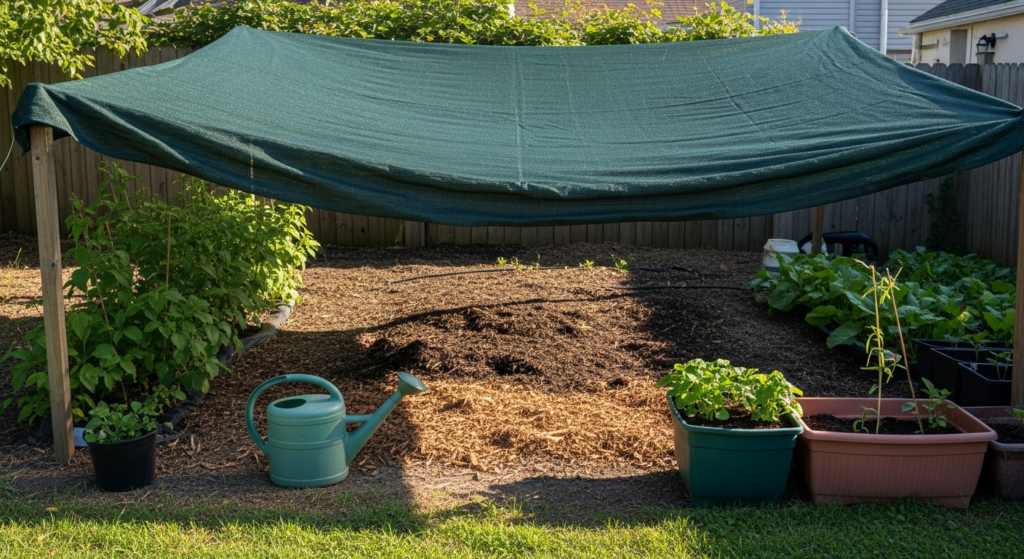
Mulch acts as a protective barrier for soil, offering multiple benefits during periods of extreme heat. A two- to four-inch layer of organic mulch, such as wood chips, shredded bark, or straw, can significantly reduce soil temperature by insulating it from direct sunlight. This insulation helps to keep roots cooler and prevents the rapid evaporation of soil moisture, thereby reducing the frequency with which plants need to be watered.
Beyond moisture retention and temperature moderation, mulch also suppresses weed growth. Weeds compete with desirable plants for water and nutrients, a competition that becomes particularly stressful during a heat dome. When applying mulch, it is important to leave a small gap around the base of plant stems and tree trunks to prevent moisture buildup that could lead to rot or pest issues. Inorganic mulches, like gravel or river rock, can also be used, particularly in areas where drainage is a concern or a more decorative aesthetic is desired, though they may not offer the same level of temperature moderation as organic options.
### Providing Essential Shade
Direct, intense sunlight during a heat dome can scorch leaves, stunt growth, and even kill plants. Providing temporary shade can be a simple yet highly effective strategy. For garden beds, shade cloths are an excellent solution. These lightweight fabrics can be draped over hoops or stakes, filtering a percentage of the sun’s rays while still allowing air circulation. Available in various densities, shade cloths can be chosen based on the specific needs of the plants, with more delicate varieties benefiting from higher percentages of shade.
For container gardens and patio plants, the solution can be even simpler: relocation. Moving potted plants to a shadier spot on a porch, under a tree, or beneath an awning during the hottest parts of the day can make a substantial difference. For larger or immovable containers, positioning an umbrella or a temporary screen can provide the necessary respite from the sun. Even the shade cast by a building or a taller, more heat-tolerant plant can offer crucial protection.
### Managing Container Gardens and Patios
Container plants are particularly vulnerable to heat stress because their root systems are confined, and the soil in pots heats up and dries out much faster than in the ground. In addition to moving them to shade, grouping containers together can create a microclimate that helps retain humidity and reduce individual plant stress. Using larger pots made of materials that don’t absorb and retain heat as much, like plastic or glazed ceramic, can also be beneficial compared to dark-colored metal or terra cotta pots that can superheat.
Patio areas, often paved with concrete or brick, can become heat sinks, radiating warmth long after the sun has set. This ambient heat can stress nearby plants and make outdoor spaces uncomfortable. Misting the patio surface in the early morning or late evening can provide temporary cooling through evaporative cooling. Ensuring good air circulation on patios, perhaps with outdoor fans, can also help dissipate heat. Protecting patio furniture from prolonged direct sun can also extend its lifespan and maintain its appearance.
### Avoiding Midday Outdoor Work
Beyond plant care, personal safety is a critical consideration during a July heat dome. Engaging in strenuous outdoor activities, including gardening, during the hottest parts of the day can lead to heat exhaustion or heatstroke. It is advisable to schedule any significant outdoor work for the early morning hours, typically before 10 a.m., or in the late evening, after 6 p.m., when temperatures are lower. Staying hydrated by drinking plenty of water, wearing lightweight and light-colored clothing, and taking frequent breaks in the shade are essential precautions for anyone working outdoors in Rock Hill.
### Why it matters in Rock Hill
For residents of Rock Hill, proactive measures to protect gardens and outdoor spaces during summer heat are not just about aesthetics; they contribute to the overall well-being of the community and the efficient use of resources. The City of Rock Hill maintains numerous public green spaces, including the expansive Glencairn Garden and various parks like Cherry Park and Fountain Park. The strategies employed by residents in their own yards—such as deep watering and mulching—mirror best practices for urban landscape management, helping to conserve water and maintain green infrastructure. As temperatures rise, the collective effort to manage water use and protect plant life supports the city’s broader environmental goals and ensures that Rock Hill’s natural beauty and recreational areas remain vibrant and accessible for all. These practices also alleviate strain on municipal water systems, especially during peak demand periods, demonstrating how individual actions have a tangible impact on the wider community infrastructure.