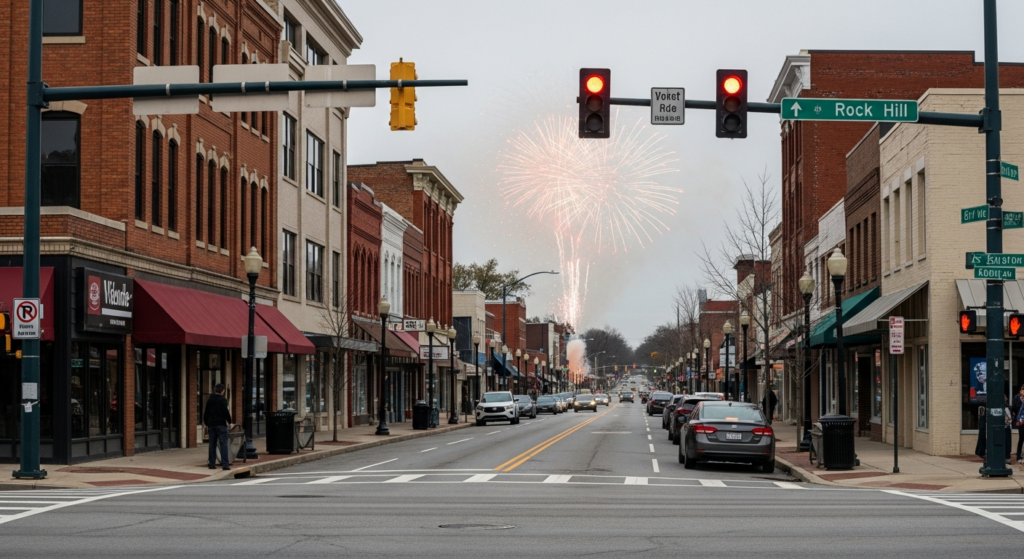
The recent July Fourth holiday period brought renewed attention to the complex interplay of fireworks safety, extreme heat, and air quality concerns across the nation, with these considerations remaining pertinent for residents and public services in Rock Hill.
Authorities have underscored the inherent dangers associated with fireworks. Beyond the immediate risk of severe burns and eye injuries, the use of pyrotechnics can ignite brush fires and structural blazes, particularly in dry conditions. These incidents place significant demands on local fire departments and emergency medical services.
Concurrently, record-setting temperatures have been a consistent feature of the summer season in many regions. Elevated heat poses direct health risks, including heatstroke and dehydration, which can disproportionately affect vulnerable populations. Public health advisories during periods of extreme heat typically urge precautions to mitigate these dangers.
When fireworks displays, both public and private, coincide with high temperatures, the potential for diminished air quality increases. The smoke and particulate matter released by fireworks can exacerbate respiratory conditions and contribute to unhealthy air levels. This is a particular consideration for urban areas such as Rock Hill, where population density can lead to more concentrated exposure.
Officials continue to monitor these combined factors, recognizing the potential for compounding effects on public health and safety. The convergence of fire hazards, heat-related illnesses, and compromised air quality necessitates a comprehensive approach to community well-being, a priority for residents and local authorities in Rock Hill.
### Why it matters in Rock Hill
The ongoing discussion around fireworks safety, heat risks, and air quality holds direct relevance for Rock Hill. Institutions like Piedmont Medical Center often experience increased patient volumes during peak holiday periods due to injuries or heat-related emergencies. The City of Rock Hill’s fire and emergency services are on heightened alert to respond to potential fire incidents, particularly with the dry conditions that can accompany summer weather. Maintaining good air quality is also crucial for the health of all residents, especially those with pre-existing respiratory conditions. These interconnected challenges underscore the need for continued vigilance and resource allocation by local government and healthcare providers to ensure public safety and health within the community.