July brings the full force of summer to Rock Hill, presenting homeowners with a distinct set of challenges for property upkeep. Maintaining a home through the season’s heat and potential storms requires proactive attention to several critical areas, from indoor climate control to outdoor structural integrity.
One of the most immediate concerns for properties in Rock Hill during the summer months is the efficient operation of heating, ventilation, and air conditioning (HVAC) systems. A well-maintained HVAC unit is crucial for managing indoor temperatures and humidity, directly impacting comfort and energy consumption. Regular filter changes are a fundamental aspect of this maintenance, typically recommended monthly during periods of heavy use. Clogged filters restrict airflow, forcing the system to work harder and increasing utility bills.
Beyond filter replacement, homeowners should inspect the outdoor condenser unit. Ensuring the area around the condenser is clear of debris, overgrown vegetation, and other obstructions allows for proper airflow and heat dissipation. A clear perimeter of at least two feet is generally advised. While some tasks, like cleaning the condenser coils, can be handled by a homeowner, a professional HVAC inspection before the peak heat of summer can identify and address more complex issues, such as refrigerant levels or electrical connections, preventing costly breakdowns later in the season. These preventative measures are particularly important for residents across Rock Hill, where summer temperatures frequently climb.
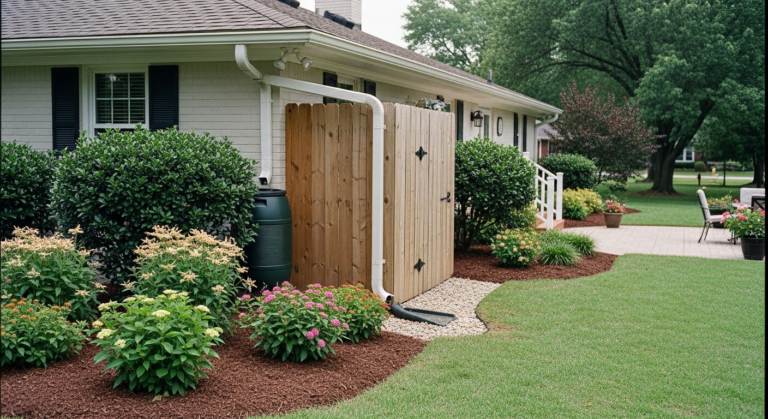
Storm preparedness is another vital component of July home maintenance. The Piedmont region, including York County, can experience severe thunderstorms, heavy rainfall, and strong winds during the summer. Homeowners should assess their property for potential vulnerabilities. This includes inspecting the roof for loose or damaged shingles, which can be entry points for water during a downpour. Gutters and downspouts require thorough cleaning to ensure they are free of leaves and debris, allowing rainwater to drain effectively away from the foundation. Blocked gutters can lead to water overflow, potentially causing damage to siding, landscaping, and basements.
Securing outdoor items is also a critical step in preparing for summer storms. Patio furniture, grills, trash cans, and decorative items can become projectiles in high winds, posing risks to property and people. Storing these items indoors or securing them firmly can mitigate potential damage. For homes with mature trees, a professional arborist can assess the health of branches that overhang the house or power lines, trimming those that pose a risk of falling during a storm.
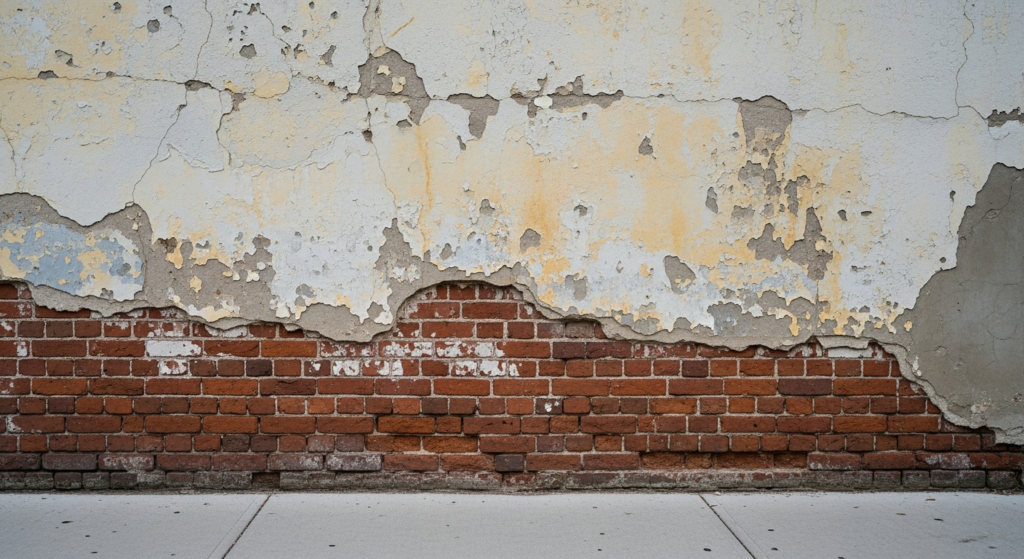
Exterior inspections extend beyond storm readiness to general upkeep. Homeowners should walk around their property to check for cracks in the foundation or siding, peeling paint, and deteriorating caulk around windows and doors. Addressing these issues promptly can prevent water intrusion, pest infestations, and further structural damage. Sealing cracks and gaps not only protects the home but also contributes to energy efficiency by preventing conditioned air from escaping.
Maintaining the landscape around the home also plays a role in overall property health. Keeping shrubs and bushes trimmed away from the house siding can prevent moisture buildup and deter pests. Ensuring proper grading around the foundation directs water away from the structure, preventing pooling and potential water damage.
These maintenance tasks, while seemingly routine, contribute significantly to the longevity and safety of a home. By addressing these items in July, homeowners in Rock Hill can navigate the remainder of the summer season with greater peace of mind.
### Why it matters in Rock Hill
Proactive home maintenance, particularly concerning HVAC systems and storm preparedness, directly impacts the quality of life and economic stability for residents throughout Rock Hill. Efficient cooling systems reduce the strain on the city’s power grid, especially during peak demand, contributing to overall energy stability for institutions like Piedmont Medical Center and the Rock Hill School District. Furthermore, robust storm preparation protects individual properties and the collective infrastructure of neighborhoods such as Riverwalk and Manchester Village. Minimizing damage from severe weather events reduces the burden on emergency services and helps maintain property values, fostering a more resilient and secure community for all who live and work in Rock Hill.