How Do I Know If My Roof’s Insulation Is Efficient Enough?
Determining the efficiency of your roof’s insulation is critical for maintaining a comfortable indoor environment and maximizing energy savings. Poor insulation can lead to higher energy bills and a less comfortable living space. This guide provides thorough insights into assessing the effectiveness of your roof’s insulation, timely indicators of inefficiency, and actionable recommendations to enhance performance.
Understanding Roof Insulation
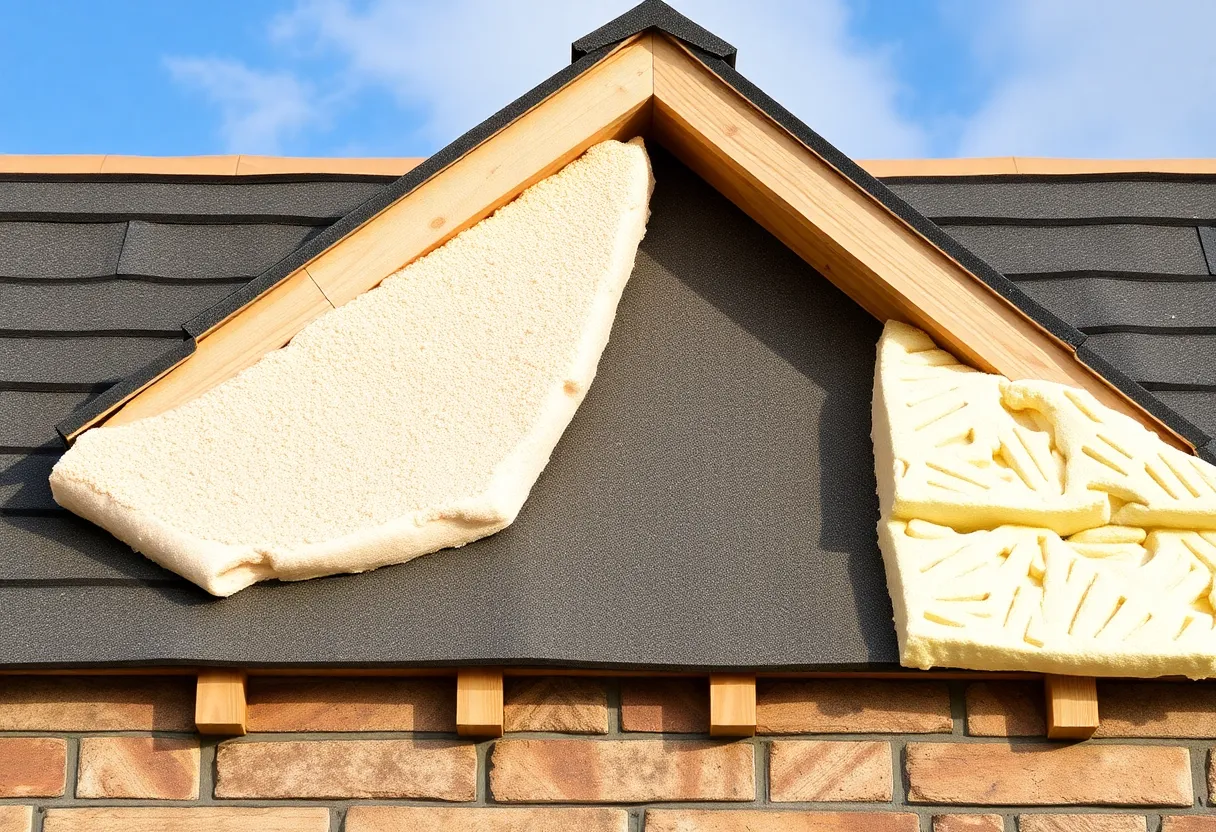
Roof insulation serves a dual purpose: it keeps warmth inside during winter and blocks heat from entering during summer. This balance is essential for year-round comfort. Different types of insulation materials, including fiberglass, foam board, and cellulose, offer varying degrees of efficiency. Understanding these types will help assess what might work best for your home.
Types of Roof Insulation
- Fiberglass Insulation: Commonly inexpensive and effective, it is made from tiny glass fibers.
- Foam Board Insulation: Provides a high insulating value for relatively little thickness.
- Cellulose Insulation: Made from recycled paper products, cellulose is both eco-friendly and effective.
- Spray Foam Insulation: Offers excellent air sealing capabilities, making it ideal for oddly shaped spaces.
Signs of Inefficient Insulation
Recognizing the signs of insufficient insulation is crucial for timely intervention. Ignoring these signs can lead to greater problems down the line. Here are key indications to watch for:
1. Fluctuating Indoor Temperatures
If you find that your home is too hot in summer and too cold in winter, it may indicate that your insulation is underperforming. Efficient insulation should regulate indoor temperatures, maintaining a consistent environment.
2. High Energy Bills
Noticeable spikes in energy bills, especially in extreme weather months, are often a sign of poor insulation. Insufficient insulation forces heating and cooling systems to work overtime, leading to increased energy usage and costs.
3. Ice Dams on Roof
In colder climates, the presence of ice dams—formed from melting snow that refreezes at the eaves—can be a clear indicator of poor insulation. This occurs when heat escapes from the roof, causing snow to melt and refreeze.
4. Cold or Hot Spots
Feelings of cold or hot spots in various areas of your home might indicate inadequate insulation in specific roof areas. A thorough examination can reveal poorly insulated spots needing improvement.
5. Visible Damage
Inspect for any signs of visible damage, such as sagging, water stains, or mold, particularly around the ceiling or walls. These can indicate more serious issues tied to insulation efficiency.
Assessing Your Roof’s Insulation
To accurately evaluate your roof’s insulation, consider conducting a detailed inspection. This may require professional assistance, but some elements can be assessed independently.
1. Visual Inspection
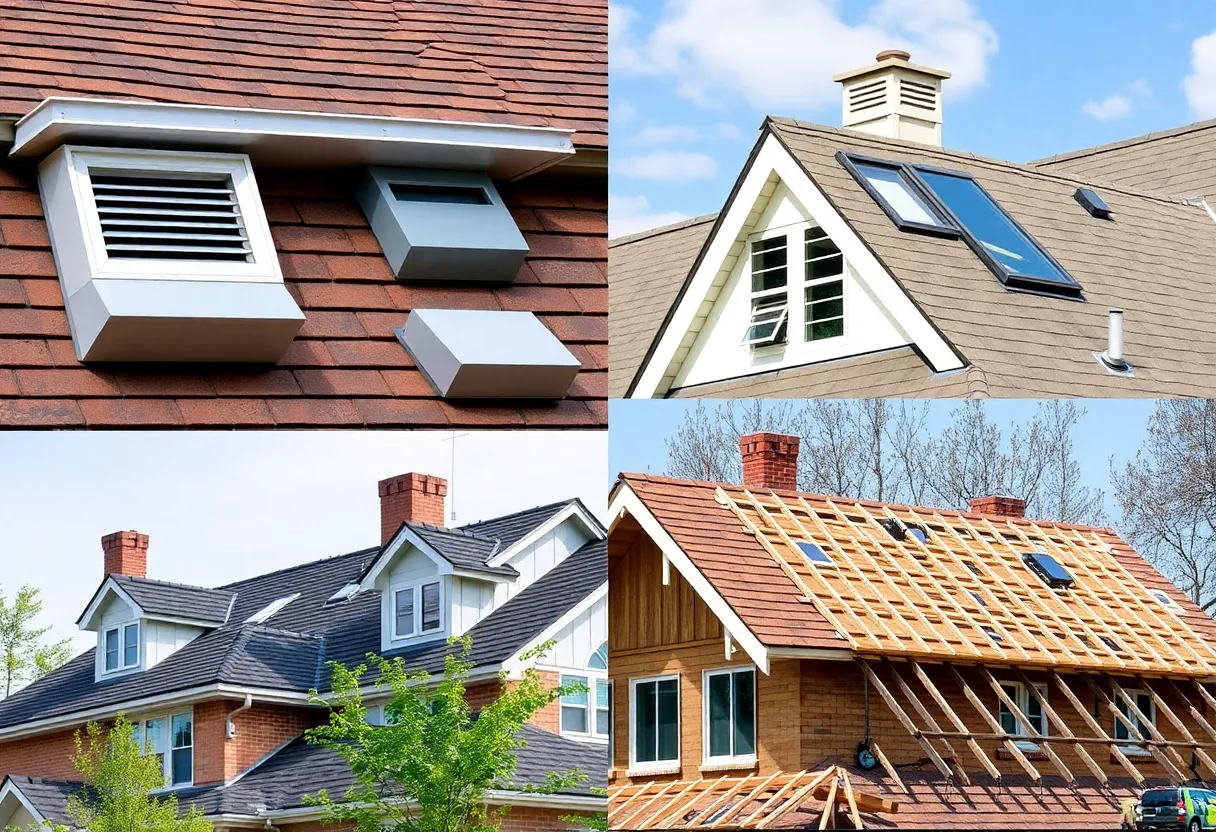
Begin with a visual assessment of the attic space. Look for gaps, discoloration, or signs of moisture—indicators of potential insulation failure. Ensure vents are not blocked, as proper airflow is vital for maintaining insulation effectiveness.
2. Energy Audit
Professional energy audits assess insulation performance and pinpoint weaknesses. These audits often include specialized equipment to measure thermal performance and air leakage.
3. Measure R-Value
The R-value measures insulation’s effectiveness; higher values indicate better thermal resistance. Check local building codes for recommended R-values for your area and compare them to what you currently have. Upgrading to meet or exceed these benchmarks can significantly improve energy efficiency.
Improving Roof Insulation Efficiency
Once you identify inefficiencies, there are numerous approaches to enhancing your roof’s insulation. Consider the following strategies:
1. Add More Insulation
If you find your insulation lacking, adding more can be a straightforward solution. Use a compatible material that complements existing insulation. Common approaches include blown-in cellulose or fiberglass batts.
2. Seal Air Leaks
Join forces with a professional to seal gaps around ducts, chimneys, and any openings, creating a thermal barrier. This prevents warm air from escaping in winter and cool air from coming in during summer.
3. Upgrade Existing Insulation
If your existing insulation fails to meet current efficiency standards, consider replacing it with a more effective alternative. Evaluate energy-efficient materials based on your specific needs and the climate in your region.
4. Install Radiant Barriers
For homes in warmer climates, consider adding a radiant barrier in the attic. These can reflect radiant heat from the sun, keeping your home cooler.
5. Ensure Proper Ventilation
Adequate ventilation complements insulation by reducing humidity. Proper air flow keeps insulation dry and maintains its effectiveness. Consult with professionals on the best ventilation strategies for your home.
Regular Maintenance and Monitoring
Maintaining insulation effectiveness is an ongoing process. Regular inspections—at least annually—ensure your roof’s insulation remains in optimal condition. Monitoring changes in energy bills further highlights the need for periodic assessments.
Importance of Professional Installs
Hiring professionals for insulation installation not only ensures safety but also guarantees adherence to industry standards in achieving efficiency. While DIY projects can be tempting, incorrect installations may result in breaking the building code or further inefficiency.
Cost Consideration
Investing in quality insulation may require an initial financial outlay, but the long-term energy savings typically outweigh these costs. Consider insulation a value-added component to your home, enhancing comfort and financial savings.
Conclusion
Understanding and maintaining your roof’s insulation efficiency is vital for energy conservation and optimizing comfort levels within your home. From regular inspections to strategic upgrades, a proactive approach can yield substantial long-term benefits. Remember to consult professionals when necessary, ensuring compliance with best practices and applicable building codes.

 Mays Contracting