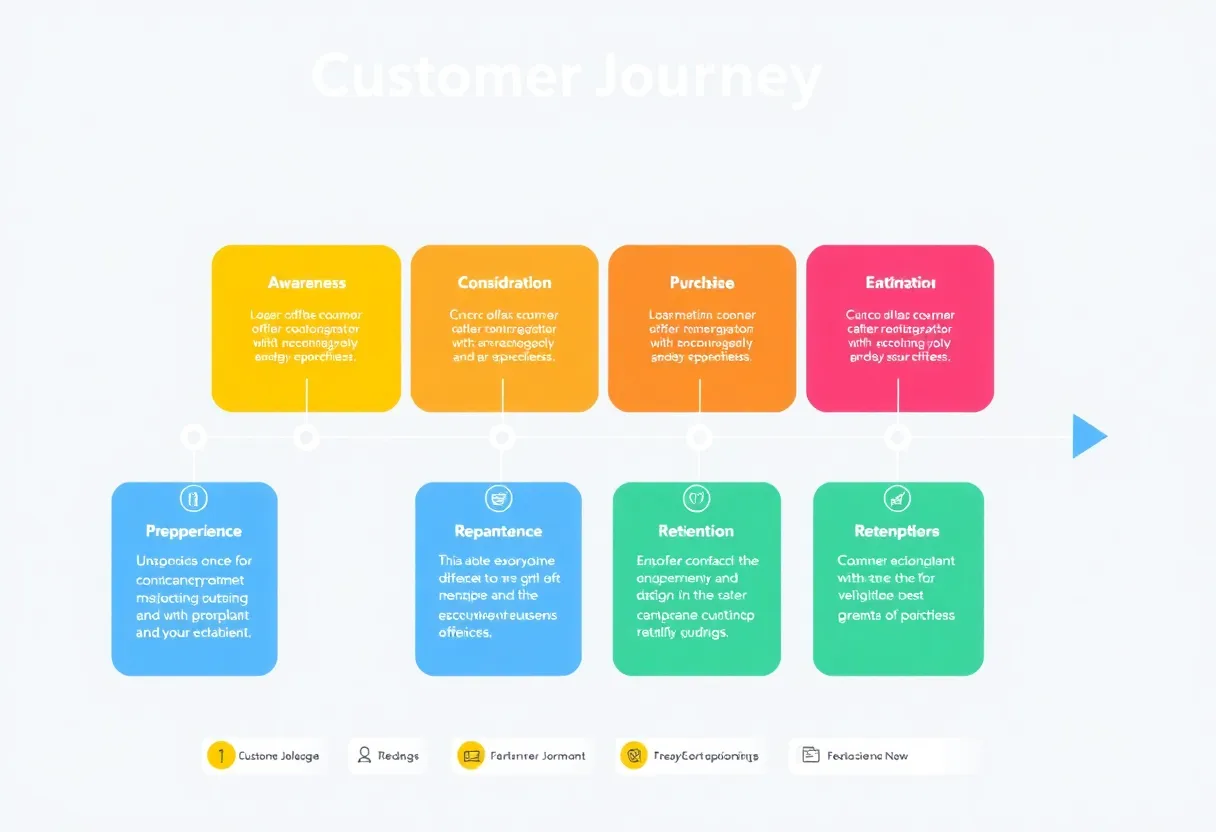

How Can You Create a Compelling Brand Narrative to Connect with Your Audience in Digital Marketing?
In the realm of digital marketing, creating a compelling brand narrative is not merely an option, it is a necessity. A strong brand story can capture attention, foster emotional connections, and drive engagement. In this article, we will explore the essential components of a captivating brand narrative and how to implement it effectively to resonate with your audience.
Understanding Brand Narrative
A brand narrative refers to the story that encompasses your brand’s purpose, mission, values, and the experiences that make it unique. It goes beyond just the products or services offered; it reflects the heart and soul of the business. In defining this narrative, brands can cultivate a more profound relationship with their audience, drawing them into the brand’s world.
The Importance of Storytelling in Marketing
Storytelling serves as a powerful tool for branding. It shifts the focus from a mere transaction to an emotional experience. When stories are well-told, they can:
- Engage and captivate an audience.
- Differentiate a brand from its competitors.
- Build trust and loyalty among consumers.
- Instill a sense of belonging and community.
Components of a Compelling Brand Narrative
To craft a compelling brand narrative, several components must be considered.
1. Purpose and Mission
Your brand narrative should begin with the core purpose and mission of your brand. What motivates you? What change do you wish to enact in the world? Clearly articulating these elements sets the foundation for your story. This purpose acts as the guiding beacon for all your marketing efforts.
2. Authenticity
Authenticity is critical. Today’s consumers can easily discern inauthentic narratives. Your brand story should reflect genuine experiences and values. This builds trust with your audience, as they are more likely to engage with brands that resonate with their personal values.
3. Character Development
A good story often involves relatable characters. In the context of your brand, this could mean showcasing your team, customers, or even the founder. Highlighting real stories of struggles, successes, and transformations can make your narrative more relatable and compelling.
4. Conflict and Resolution
A narrative without conflict lacks depth. Present a challenge or problem that your brand addresses. This element creates tension, prompting the audience to engage emotionally. Following this, demonstrate how your brand offers a solution. This reinforces the idea that your brand is an essential ally in overcoming challenges.
5. Emotional Appeal
Connecting with your audience on an emotional level can deepen their engagement with your brand. Use storytelling techniques to evoke emotions such as joy, nostalgia, empathy, or inspiration. Integrating these emotions into your narrative makes it more memorable.
6. Consistency Across Channels
A brand narrative must be unified across all digital platforms. Whether on social media, a website, or email marketing, maintaining consistency helps in building recognition and trust. Discrepancies can confuse your audience and diminish the impact of your narrative.
Implementing Your Brand Narrative
Now that you have a clear understanding of the components of a compelling brand narrative, it’s time to implement it effectively.
1. Identify Your Audience
Your brand narrative should resonate with your target audience. Conduct research to identify their demographics, interests, and pain points. Understanding who your audience is will help tailor your message effectively.
2. Create Engaging Content
Once you have defined your narrative, integrate it into engaging content. This could include blog posts, videos, podcasts, and social media updates. Use various formats to keep your audience hooked and utilize storytelling elements throughout, such as visuals and anecdotes.
3. Utilize Social Media
Social media platforms provide an excellent opportunity for storytelling. Engage your audience by sharing snippets of your brand narrative through captivating visuals or short videos. Encourage user-generated content; when customers share their stories related to your brand, it adds authenticity and layers to your narrative.
4. Incorporate Feedback
Encouraging feedback helps in measuring the effectiveness of your narrative. Use surveys, polls, and engagement metrics to understand how well your story resonates with your audience. Be open to making adjustments based on this feedback to enhance your brand narrative.
5. Monitor and Review Your Narrative
Your brand narrative is not static; it should evolve as your brand grows. Regularly review and refine your narrative to align with changing trends, audience expectations, and new insights about your market. This adaptability ensures that your story remains relevant and impactful.
Cross-Platform Integration
Creating a seamless experience across all platforms is vital for brand consistency. Each touchpoint should reinforce your brand narrative.
1. Website
Your website should clearly communicate your brand story. Features like an “About Us” page, case studies, and customer testimonials can powerfully convey your narrative. Use storytelling in your web design, layout, and imagery to further enhance the user experience.
2. Email Marketing
Email campaigns should include elements of your brand narrative. Craft compelling subject lines and engaging content that reflects your brand’s voice. Share customer testimonials or highlights of your mission to build a deeper connection with subscribers.
3. Video Marketing
Video marketing is one of the most effective channels for storytelling. Create short videos that content your brand’s story or showcase products in a meaningful way. Ensure that videos align with your overall brand narrative, utilizing consistent themes and messaging.
4. Content Marketing
Incorporate your narrative into your blog and content marketing strategies. Write articles that share insights, experiences, and case studies that reflect your brand values. Make sure that the tone and style are consistent with your overarching brand narrative.
Measuring the Effectiveness of Your Brand Narrative
To ensure your narrative is successful, measurement is key. Evaluate the efficacy of your brand’s storytelling through various metrics.
1. Engagement Metrics
Track how your audience interacts with your content. Look at likes, shares, comments, and click-through rates. High engagement levels often indicate that your narrative resonates with your audience.
2. Conversion Rates
Measure how well your storytelling translates into conversions. Analyze ROI on campaigns and monitor how storytelling impacts consumer decisions. A compelling narrative should ultimately drive sales and enhance customer loyalty.
3. Brand Sentiment Analysis
Utilize tools to monitor sentiment around your brand. Positive sentiments indicate that your narrative is well-received. Conversely, negative feedback may highlight areas for improvement.
Conclusion
Creating a compelling brand narrative is an intricate yet rewarding process. It involves understanding your audience, articulating your purpose, and maintaining authenticity through storytelling. By consistently weaving your narrative into your marketing efforts, you can connect deeply with your audience, foster loyalty, and distinguish your brand in an increasingly competitive digital landscape. Ultimately, a well-crafted brand narrative positions your brand as an influential leader in the industry.
Take the time to reflect on your brand story, fine-tune its components, and implement it thoughtfully. The results can be transformative, paving the way for a stronger connection with your audience.

Author: STAFF HERE ROCK HILL
The ROCK HILL STAFF WRITER represents the experienced team at HERERockHill.com, your go-to source for actionable local news and information in Rock Hill, York County, and beyond. Specializing in "news you can use," we cover essential topics like product reviews for personal and business needs, local business directories, politics, real estate trends, neighborhood insights, and state news affecting the area—with deep expertise drawn from years of dedicated reporting and strong community input, including local press releases and business updates. We deliver top reporting on high-value events such as the Come-See-Me Festival, Rock Hill Arts Festival, and motorsport events at the Rock Hill Velodrome. Our coverage extends to key organizations like the Rock Hill Chamber of Commerce and the Culture & Heritage Museums, plus leading businesses in manufacturing and technology that power the local economy such as 3D Systems and Comporium. As part of the broader HERE network, including HEREAiken.com, HEREBeaufort.com, HEREChapin.com, HERECharleston.com, HEREClinton.com, HEREColumbia.com, HEREGeorgetown.com, HEREGreenwood.com, HEREGreenville.com, HEREHiltonHead.com, HEREIrmo.com, HEREMyrtleBeach.com, HERENewberry.com, HERERockHill.com, and HERESpartanburg.com, we provide comprehensive, credible insights into South Carolina's dynamic landscape.