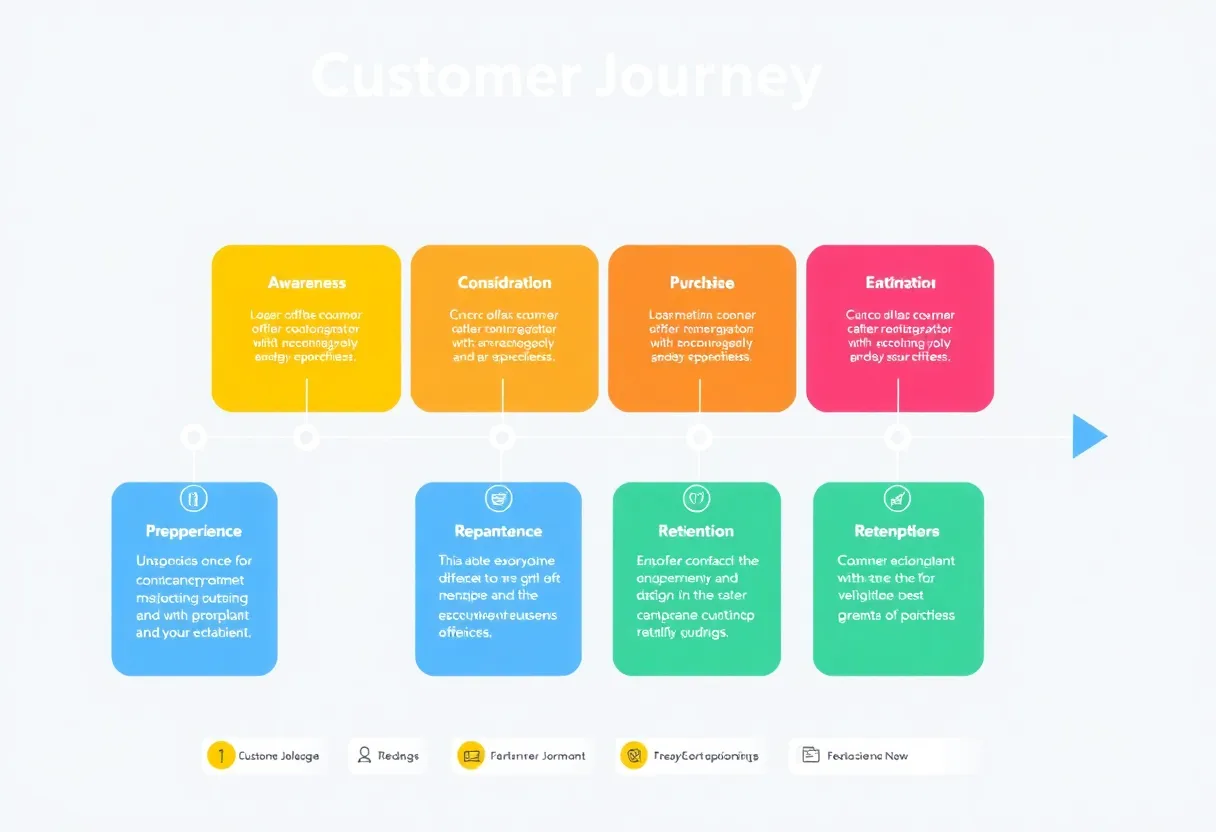

How to Use Customer Journey Analytics to Improve Your Digital Marketing Results
In today’s competitive digital landscape, understanding the customer journey is more critical than ever. Customer journey analytics offers businesses an invaluable insight into the behavior and preferences of their customers. By harnessing this data, marketers can refine their strategies to improve engagement and conversion rates. This article outlines how to effectively use customer journey analytics to enhance your digital marketing results.
Understanding Customer Journey Analytics
Customer journey analytics refers to the process of collecting and analyzing data on customer interactions across various touchpoints throughout their buying process. This data can include:
- Website visits
- Email interactions
- Social media engagement
- In-store visits (if applicable)
By employing analytics tools, organizations can map out every step a customer takes, from awareness to consideration and finally to purchase. This understanding allows marketing teams to identify friction points and opportunities within the journey.
Collecting Comprehensive Data
The foundation of effective customer journey analytics lies in comprehensive data collection. Ensure you integrate various data sources, including:
- Website Analytics – Track page views, bounce rates, and user behavior.
- CRM Systems – Gather customer data, preferences, and past interactions.
- Social Media Insights – Monitor engagement and sentiment on social platforms.
- Email Marketing Metrics – Analyze open rates, click-through rates, and conversion data.
Integrating these data points creates a holistic view of the customer journey, aiding in the identification of trends and patterns.
Mapping the Customer Journey
Once data is collected, the next step involves mapping the customer journey. This entails plotting out all the stages customers go through, including:
Aware Stage
This is where potential customers first learn about your brand. Effective marketing efforts in this stage may include organic search, paid advertising, and social media outreach.
Consideration Stage
Here, prospects evaluate options. Understand what content or information is necessary to support them in this stage, such as testimonials or detailed product comparisons.
Decision Stage
This final stage involves the actual purchase. Factors influencing this decision include pricing, promotions, and ease of checkout.
Utilizing journey mapping tools can help visualize the complete customer experience, making it easier to identify gaps and opportunities.
Identifying Pain Points
Through several analytics tools, marketers can spot pain points that frustrate customers, leading to drop-offs during the journey. Common pain points may include:
- Complex navigation on websites
- Lengthy forms or checkout processes
- Poor mobile optimization
- Irrelevant or unengaging content
By identifying and addressing these pain points, marketers can significantly decrease customer drop-off rates and enhance the overall experience.
Segmentation for Targeted Marketing
Different customers have unique preferences and pathways. By segmenting your audience based on demographics, behaviors, and preferences, you can create tailored marketing strategies. Key segmentation options include:
- Demographic Segmentation – Age, gender, and income level.
- Geographic Segmentation – Location-based targeting.
- Behavioral Segmentation – Purchase history and engagement levels.
Targeted marketing messages that resonate with specific segments yield higher engagement and conversion rates compared to generic messaging.
Leveraging Personalization
Personalization is a critical component of enhancing customer experience. By using data insights to tailor communications and offerings, brands can foster deeper connections. Strategies for effective personalization include:
- Dynamic Content in Emails
- Product Recommendations on Websites
- Follow-Up Messaging Post-Purchase
Implementing these tactics allows for a more customized experience, increasing the likelihood of repeat interaction.
Continuous Monitoring and Optimization
Customer journey analytics is not a one-time task. Continuous monitoring ensures that marketing strategies remain effective. Key practices include:
- Regularly reviewing performance metrics like conversion rates and engagement levels.
- Conducting A/B tests to identify the most effective approaches.
- Gathering customer feedback through surveys and direct interactions.
Adapting strategies based on insights from ongoing analyses allows for continual improvement and sustained results.
Integrating Customer Journey Analytics in Digital Marketing Strategy
To successfully integrate customer journey analytics into your digital marketing strategy, follow these key steps:
- Establish Clear Goals – Define what success looks like for your marketing efforts. Aim for specific objectives such as improved conversion rates or enhanced customer satisfaction.
- Choose the Right Tools – Invest in analytics software that allows for comprehensive tracking and data analysis.
- Educate Your Team – Ensure that all team members understand the importance of customer journey analytics and how to leverage the data effectively.
- Implement Changes – Use insights to inform your marketing decisions and optimize campaigns accordingly.
Conclusion
Utilizing customer journey analytics is essential for improving digital marketing results. By understanding and analyzing customer interactions across various touchpoints, businesses can foster stronger connections, increase engagement, and ultimately drive sales. Embrace the power of data-driven insights and make informed decisions that enhance the customer experience.

Author: STAFF HERE ROCK HILL
The ROCK HILL STAFF WRITER represents the experienced team at HERERockHill.com, your go-to source for actionable local news and information in Rock Hill, York County, and beyond. Specializing in "news you can use," we cover essential topics like product reviews for personal and business needs, local business directories, politics, real estate trends, neighborhood insights, and state news affecting the area—with deep expertise drawn from years of dedicated reporting and strong community input, including local press releases and business updates. We deliver top reporting on high-value events such as the Come-See-Me Festival, Rock Hill Arts Festival, and motorsport events at the Rock Hill Velodrome. Our coverage extends to key organizations like the Rock Hill Chamber of Commerce and the Culture & Heritage Museums, plus leading businesses in manufacturing and technology that power the local economy such as 3D Systems and Comporium. As part of the broader HERE network, including HEREAiken.com, HEREBeaufort.com, HEREChapin.com, HERECharleston.com, HEREClinton.com, HEREColumbia.com, HEREGeorgetown.com, HEREGreenwood.com, HEREGreenville.com, HEREHiltonHead.com, HEREIrmo.com, HEREMyrtleBeach.com, HERENewberry.com, HERERockHill.com, and HERESpartanburg.com, we provide comprehensive, credible insights into South Carolina's dynamic landscape.