How to Successfully Diagnose Roof Problems: A Comprehensive Guide for Homeowners
Roof problems can compromise the integrity and safety of your home. Understanding how to identify these issues is crucial for preventing further damage and ensuring longevity. This comprehensive guide provides valuable insights for homeowners looking to diagnose roof problems effectively.
Understanding the Importance of Roof Diagnosis
Diagnosing roof problems promptly can save homeowners from costly repairs and extensive damage. A well-maintained roof protects your home from weather elements, maintains energy efficiency, and enhances curb appeal. By identifying issues early, you can mitigate future complications, ensure safety, and extend the lifespan of your roof.
Common Roof Problems: An Overview
Before diving into diagnostics, it’s essential to familiarize yourself with common roof issues:
- Leaks: Often caused by wear and tear, leaks can lead to serious water damage.
- Missing shingles: This can occur due to strong winds or poor installation.
- Granule loss: Influences the protective quality of shingles, often a sign of aging.
- Ponding water: Can lead to structural damage if drainage is inadequate.
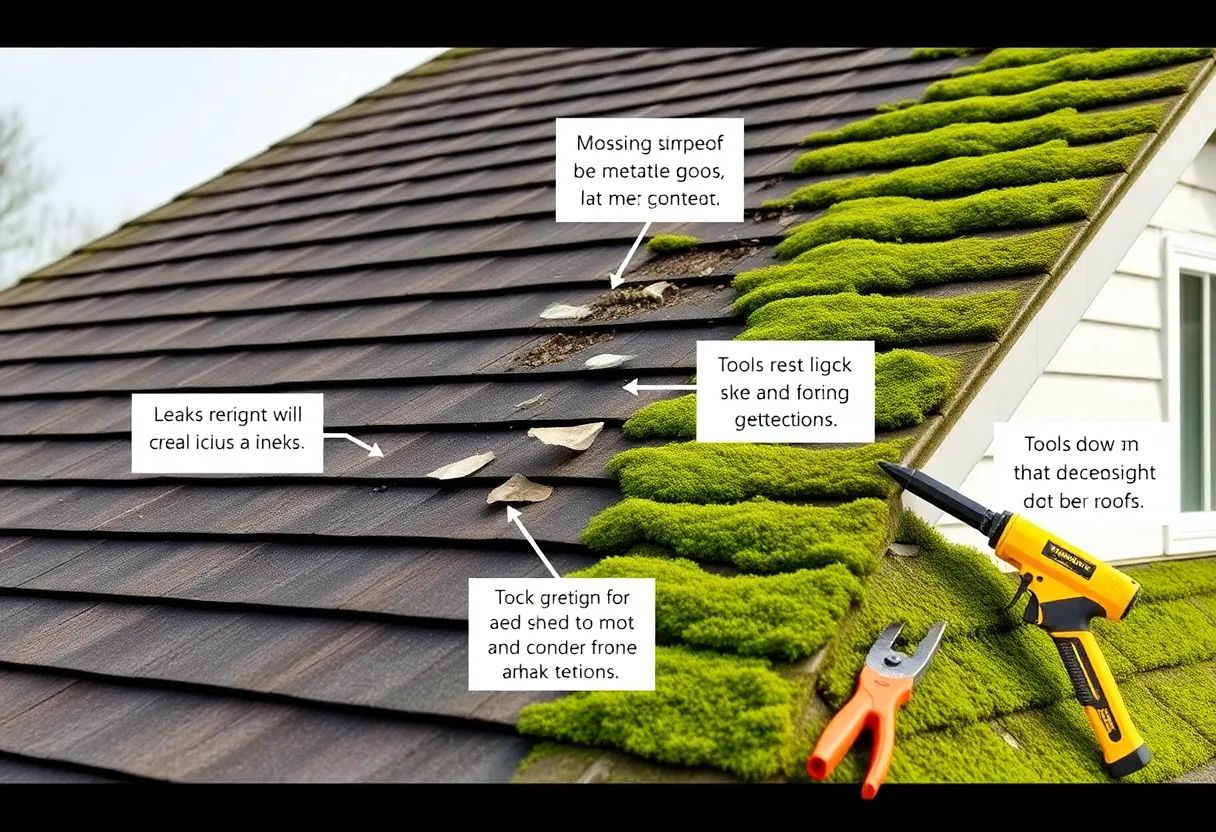
- Moss and algae: Can trap moisture, which may cause deterioration.
Step-by-Step Guide to Diagnosing Roof Problems
Step 1: Conducting a Visual Inspection
A thorough visual inspection is a fundamental first step. Here’s how you can proceed:
- Check from the Ground: Use binoculars to inspect the roof without having to climb. Look for missing shingles, discoloration, or sagging areas.
- Utilize a Ladder: If safe, use a sturdy ladder to access lower sections. Inspect flashing, vents, and drip edges closely.
- Look Inside: Check the attic for signs of water stains, mold, or sagging ceilings that indicate roof leaks.
Step 2: Identifying Specific Issues
Once you have done a preliminary inspection, identify specific problems:
Leaks
Search for water stains or damp insulation in your attic. Stains that appear brown or yellow are typical indicators of water intrusion.
Missing or Damaged Shingles
Inspect the condition and layering of shingles. Look for torn, broken, or completely missing shingles, as these can be entry points for water.
Granule Loss
Assess the granularity of shingles. Check for granules in the gutters, which can be a sign that shingles are nearing the end of their life cycle.
Ponding Water
Observe flat roofs for standing water. If water sits for over 48 hours after a rain, drainage should be addressed.
Moss and Algae Growth
Moss and algae appear as green patches on shingles. While visually unappealing, they can hold moisture and accelerate roof decay.
Step 3: Utilizing Technology and Tools
In addition to a visual inspection, consider employing various tools and technologies:
- Moisture Meters: Essential for identifying areas of dampness within the roof’s structure.
- Infrared Cameras: These can detect temperature variations that indicate leaks, even in hidden areas.
- Drones: For roofs that are difficult to access, drones provide a safe way to capture high-resolution images from above.
Knowing When to Call a Professional
While diagnosing your roof’s condition is valuable, knowing when to involve professionals is equally important:
- Persistent Leaks: If leaks continue despite your intervention, a professional can evaluate underlying issues.
- Complex Problems: Issues involving structural damage, extensive repair needs, or complicated roofing systems should always be handled by experts.
- Safety Concerns: If you’re uncomfortable conducting inspections or working at height, do not hesitate to seek professional help.
Regular Maintenance: Prevention is Key
Preventive measures are vital in extending the lifespan of your roof. Consider implementing the following strategies:
- Regular Inspections: Schedule seasonal inspections, particularly after severe weather.
- Clean Gutters: Ensure gutters are free of debris to prevent water backup.
- Trim Nearby Trees: Minimize the risk of falling branches or leaves that can lead to decay.
- Apply Protective Coatings: Use sealants and treatments on surfaces vulnerable to moss and algae.
Documenting Issues and Repairs
Maintain a detailed log of all inspections, repairs, and weather conditions affecting your roof. This documentation can be valuable for future reference or when discussing issues with roofing professionals.
Conclusion
Diagnosing roof problems is not just about identifying visible damage; it involves a comprehensive evaluation of your roof’s condition. By performing regular inspections, utilizing technology, and understanding when to consult professionals, you can successfully maintain your roof’s integrity. Remember, a proactive approach is the best strategy for preventing costly repairs and ensuring your roof remains a safe shield over your home.

 Mays Contracting