How to Effectively Create a DIY Roof Drainage System for Rainwater Management
Proper rainwater management is crucial for maintaining the integrity of your home and landscape. A DIY roof drainage system can help efficiently channel rainwater away from your property, preventing water damage and erosion.
Understanding Roof Drainage Systems
A roof drainage system consists of various components designed to guide rainwater off the roof and into designated areas. It prevents potential issues such as pooling water, leaks, and foundation problems.
Benefits of a DIY Roof Drainage System
- Cost-Effective: Building your own system can save substantial expenses compared to hiring professionals.
- Customization: Adapt the system to meet your specific needs and roof design.
- Skill Development: Undertaking this project can enhance your DIY skills and knowledge.
Planning Your Roof Drainage System
Before commencing any construction, proper planning is essential. Consider the following factors:
Assess Your Roof
Evaluate the size and slope of your roof. Steeper roofs naturally encourage water runoff, while flatter roofs may need more robust drainage solutions.
Determine Water Flow Direction
Identify the path water takes during rain. This will help you position the drainage outlet correctly.
Identify Local Regulations
Consult local regulations regarding rainwater drainage to ensure compliance. Non-compliance may lead to fines or required alterations.
Essential Components of Your Drainage System
A well-functioning roof drainage system typically consists of the following elements:
Downspouts
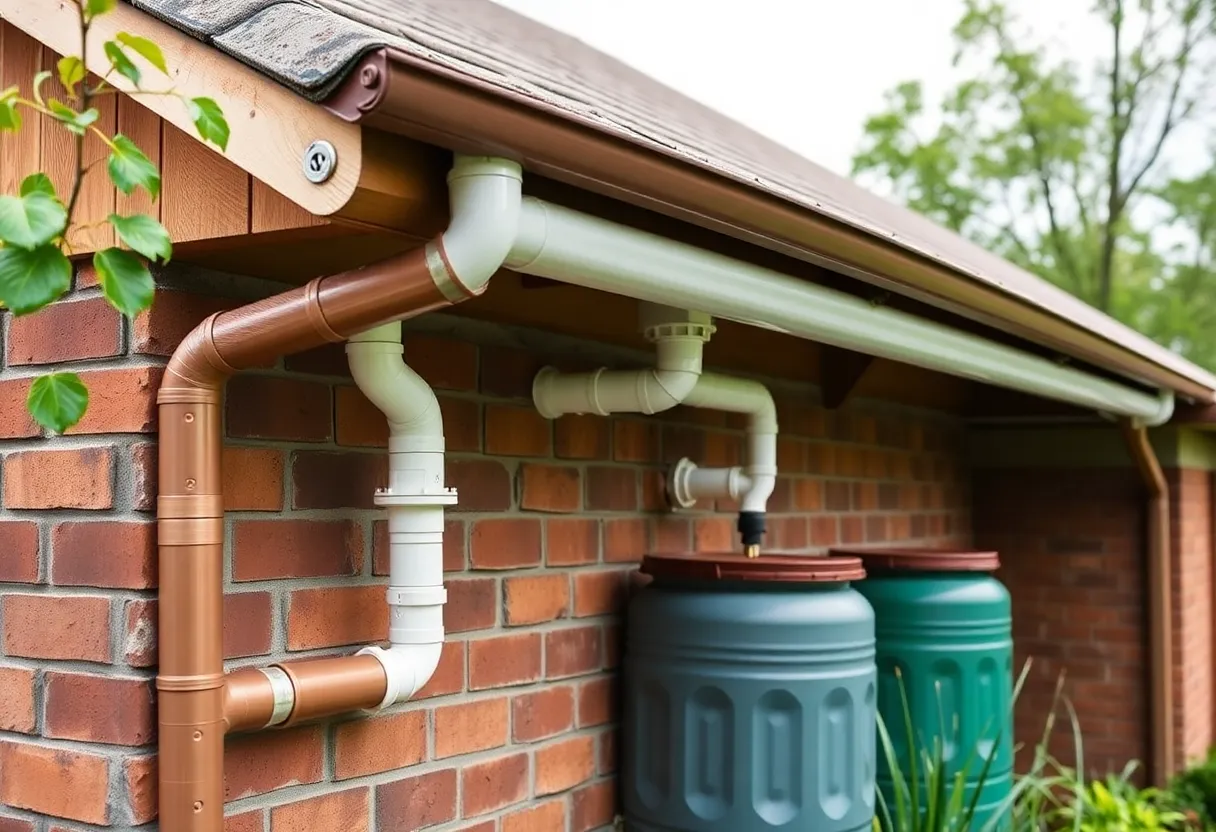
Downspouts channel water from gutters to ground level. Ensure they are placed where they will effectively direct water away from the foundation.
Gutters
Gutters collect rainwater from the roof and direct it toward the downspouts. Select an appropriate type and size to match your roof and anticipated rainfall.
Rain Barrels
If you wish to conserve water, incorporate rain barrels. They collect excess rainwater for later use in gardening or other applications.
Drainage Pipes
To guide water away from your property, consider installing drainage pipes. These should be buried at a slight slope to facilitate flow.
Step-by-Step Installation Process
Follow these steps to create an efficient drainage system:
Step 1: Gather Materials
You’ll need gutters, downspouts, connectors, drainage pipes, rain barrels, and appropriate fasteners. Purchase any additional tools necessary for installation.
Step 2: Install Gutters
Begin by installing the gutters along the edge of your roof. Use a level to ensure proper drainage. Secure them firmly to prevent sagging.
Step 3: Attach Downspouts
Connect downspouts to the gutters. Ensure they lead directly to a designated drainage area, like a rain barrel or drainage pipe.
Step 4: Set Up Rain Barrels (Optional)
If using rain barrels, position them at the base of your downspout. Make sure they’re stable and equipped with a mesh top to filter debris.
Step 5: Lay Drainage Pipes
For drainage pipes, dig trenches leading from the downspouts to the designated discharge point. Install the pipes at a slight slope to promote water flow.
Maintenance of Your Drainage System
Regular maintenance is crucial for optimal performance. Here are essential activities:
Clean Gutters Frequently
Remove debris from gutters and downspouts at least twice a year, especially before heavy rainfall seasons.
Check for Blockages
Inspect your drainage pipes regularly to ensure they are clear of obstructions. Clear any found blockages promptly.
Inspecting Rain Barrels
For rain barrels, check for leaks or cracks. Clean the mesh filter often to keep collected water clean.
Common Problems and Solutions
Even with careful planning, problems may arise. Here are some common issues:
Puddling Around the Foundation
If you observe puddles near your home’s foundation, reassess the position of your downspouts. They may need to be rerouted.
Overflowing Gutters
Overflow can occur due to clogged gutters or insufficient size. Make sure your gutters are regularly cleaned or consider upgrading to larger ones.
Improper Water Flow
Should water flow not be as expected, ensure that your drainage pipes are installed at the correct angle to facilitate movement.
Considerations for Different Roof Types
Different roof types may require specific solutions:
Flat Roofs
Flat roofs need more extensive drainage systems. Ensure you have sufficient internal drains and scuppers to manage water runoff effectively.
Sloped Roofs
Sloped roofs naturally drain, making smaller systems often adequate. Focus on effective placement of gutters and downspouts.
Conclusion
Creating a DIY roof drainage system is a wise investment in your property’s health. By ensuring proper planning, using the right materials, and implementing regular maintenance, you can protect your property from the damaging effects of rainwater.
Ultimately, a well-designed drainage system safeguards your home and conserves resources. Start your project today for effective rainwater management.

Author: STAFF HERE ROCK HILL
The ROCK HILL STAFF WRITER represents the experienced team at HERERockHill.com, your go-to source for actionable local news and information in Rock Hill, York County, and beyond. Specializing in "news you can use," we cover essential topics like product reviews for personal and business needs, local business directories, politics, real estate trends, neighborhood insights, and state news affecting the area—with deep expertise drawn from years of dedicated reporting and strong community input, including local press releases and business updates. We deliver top reporting on high-value events such as the Come-See-Me Festival, Rock Hill Arts Festival, and motorsport events at the Rock Hill Velodrome. Our coverage extends to key organizations like the Rock Hill Chamber of Commerce and the Culture & Heritage Museums, plus leading businesses in manufacturing and technology that power the local economy such as 3D Systems and Comporium. As part of the broader HERE network, including HEREAiken.com, HEREBeaufort.com, HEREChapin.com, HERECharleston.com, HEREClinton.com, HEREColumbia.com, HEREGeorgetown.com, HEREGreenwood.com, HEREGreenville.com, HEREHiltonHead.com, HEREIrmo.com, HEREMyrtleBeach.com, HERENewberry.com, HERERockHill.com, and HERESpartanburg.com, we provide comprehensive, credible insights into South Carolina's dynamic landscape.
 Mays Contracting