
What Are the Most Effective DIY Strategies for Roof Heat Management?
Managing heat effectively in your home can lead to substantial savings on energy bills and an improved indoor environment. Roof heat management, in particular, is crucial as roofs absorb significant sun exposure. Understanding various DIY strategies can help homeowners efficiently combat excessive heat in their homes.
Understanding Roof Heat Gain
Roof heat gain results from solar radiation striking the roofing surface. This heat penetrates buildings, leading to higher indoor temperatures. Knowledge of heat gain mechanisms is essential. Factors influencing heat absorption include:
- Roof color and material.
- Insulation quality.
- Ventilation systems.
- Surrounding landscape and structures.
When addressing roof heat management, it’s essential to focus on both the external and internal factors that contribute to heat levels in your living space.
Effective DIY Strategies for Roof Heat Management
1. Roof Coatings
Applying a reflective roof coating can significantly reduce heat absorption. These coatings are designed to reflect solar radiation, keeping your roof cooler. Consider using:
- Elastomeric coatings for flexibility and durability.
- Metallic coatings to enhance reflectivity.
Preparation is key. Start by cleaning the roof surface to ensure proper adhesion. This step often includes:
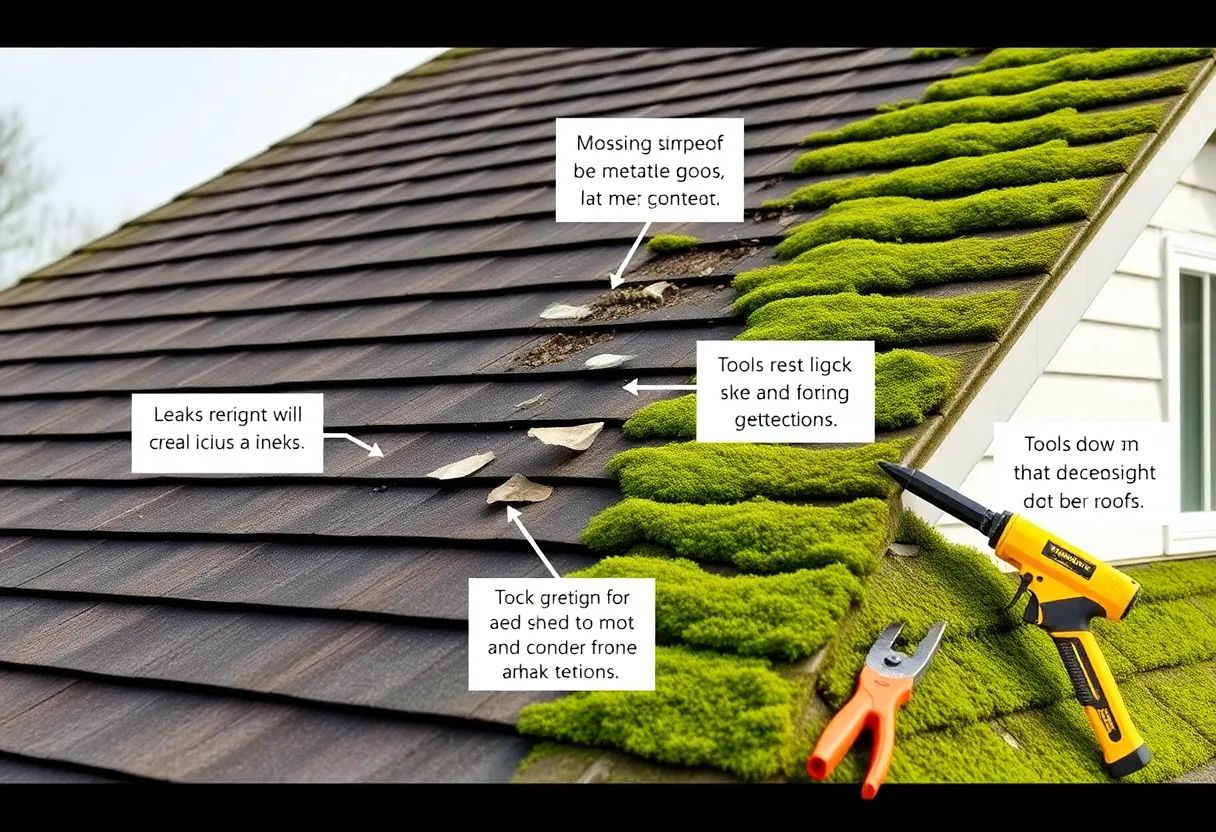
- Removing dirt, debris, and moss.
- Repairing any existing damage.
After preparation, apply the coating evenly with a roller or sprayer, following manufacturer instructions for optimal results.
2. Insulation Improvement
Enhancing insulation is vital for preventing heat transfer from the roof into the home. DIY insulation options include:
- Installing radiant barriers in attics.
- Adding blown-in cellulose or fiberglass insulation.
- Sealing gaps and leaks to reduce airflow.
Focus on areas with the most heat loss, such as attics and crawl spaces. Ensure that any insulation installation adheres to local building codes for safety and efficiency.
3. Roof Ventilation
Proper roof ventilation helps regulate the temperature by allowing hot air to escape. Options for improving ventilation include:
- Installing ridge vents to allow heat to escape from the peak of the roof.
- Using soffit vents to draw cool air in from the eaves.
Ensure that the ventilation system promotes airflow throughout the attic space. This system helps maintain lower temperatures and contributes to the overall longevity of the roofing materials.
4. Shade Solutions
Creating shade over your roof can significantly decrease heat absorption. DIY shade solutions include:
- Planting deciduous trees strategically to block summer sun.
- Installing awnings or pergolas over roofed areas.
Natural shade from trees offers the added benefit of cooling nearby areas, improving the overall landscape and reducing energy costs.
5. Green Roofs
Installing a green roof, while more labor-intensive, can provide excellent insulation and cooling benefits. This involves:
- Layering waterproof membranes and drainage systems.
- Planting drought-resistant vegetation.
Green roofs help mitigate heat buildup by absorbing sunlight and promoting evapotranspiration. They also enhance biodiversity and can contribute to improved air quality.
Monitoring and Maintenance
After implementing these strategies, regular monitoring is essential for sustained effectiveness. Steps to consider include:
- Routine inspections for any signs of wear or damage.
- Cleaning gutters and downspouts to prevent blockage and ensure proper drainage.
- Checking roof coatings for wear and reapplying as needed.
Establishing a maintenance schedule can prolong the lifespan of your roof and the efficacy of your heat management strategies.
Conclusion
Implementing these DIY roof heat management strategies can lead to increased comfort and significant energy savings. By combining reflective coatings, improved insulation, enhanced ventilation, strategic shading, or even green roofs, homeowners can establish a comprehensive approach to managing roof heat. Regular maintenance ensures that these systems remain effective, allowing your home to stay cooler during hot months without excessive reliance on air conditioning.

Author: STAFF HERE ROCK HILL
The ROCK HILL STAFF WRITER represents the experienced team at HERERockHill.com, your go-to source for actionable local news and information in Rock Hill, York County, and beyond. Specializing in "news you can use," we cover essential topics like product reviews for personal and business needs, local business directories, politics, real estate trends, neighborhood insights, and state news affecting the area—with deep expertise drawn from years of dedicated reporting and strong community input, including local press releases and business updates. We deliver top reporting on high-value events such as the Come-See-Me Festival, Rock Hill Arts Festival, and motorsport events at the Rock Hill Velodrome. Our coverage extends to key organizations like the Rock Hill Chamber of Commerce and the Culture & Heritage Museums, plus leading businesses in manufacturing and technology that power the local economy such as 3D Systems and Comporium. As part of the broader HERE network, including HEREAiken.com, HEREBeaufort.com, HEREChapin.com, HERECharleston.com, HEREClinton.com, HEREColumbia.com, HEREGeorgetown.com, HEREGreenwood.com, HEREGreenville.com, HEREHiltonHead.com, HEREIrmo.com, HEREMyrtleBeach.com, HERENewberry.com, HERERockHill.com, and HERESpartanburg.com, we provide comprehensive, credible insights into South Carolina's dynamic landscape.
 Mays Contracting