How to Easily Add Roof Insulation for Improved Energy Efficiency
Homeowners are continually seeking ways to enhance energy efficiency while minimizing heating and cooling costs. One effective solution involves adding roof insulation. This article outlines practical steps, materials, and best practices for achieving optimal insulation without extensive renovation.
Understanding Roof Insulation
Roof insulation is designed to reduce heat loss in winter and keep homes cooler in summer. It operates by providing a thermal barrier between the living space and the outside environment. Effective insulation improves overall energy efficiency and can significantly decrease utility bills.
The Importance of Roof Insulation
Adding insulation to your roof is critical for several reasons:
- Energy Savings: Adequate insulation can lower heating and cooling costs by as much as 20%.
- Comfort: Insulation maintains more consistent indoor temperatures, enhancing comfort throughout the year.
- Environmental Impact: Energy efficiency reduces the overall demand on energy resources, contributing positively to environmental sustainability.
- Property Value: Improved insulation can increase property value, making a home more attractive to potential buyers.
Types of Roof Insulation Materials
Several insulation materials are available, and selecting the right type depends on your specific needs and roof construction:
1. Fiberglass Insulation
This type is known for its excellent thermal performance. It’s non-combustible and resistant to moisture, making it suitable for various roofs.
2. Foam Board Insulation
Foam board is often used in both flat and sloped roofs. Its rigid structure provides excellent thermal resistance and moisture control.
3. Spray Foam Insulation
Spray foam expands upon application and provides an airtight seal. This can significantly reduce air leakage, enhancing energy efficiency.
4. Mineral Wool Insulation
Also known as rock wool, this material is fire-resistant and offers excellent soundproofing qualities. It is effective for insulating rooftops in colder climates.
Preparation Steps
Before beginning the insulation process, proper preparation is crucial. Follow these steps to ensure an effective installation:
- Inspect the Roof: Check for any damage or leaks that need repair prior to adding insulation.
- Choose the Right Insulation: Assess the climate conditions, roof type, and budget to select the most suitable insulation material.
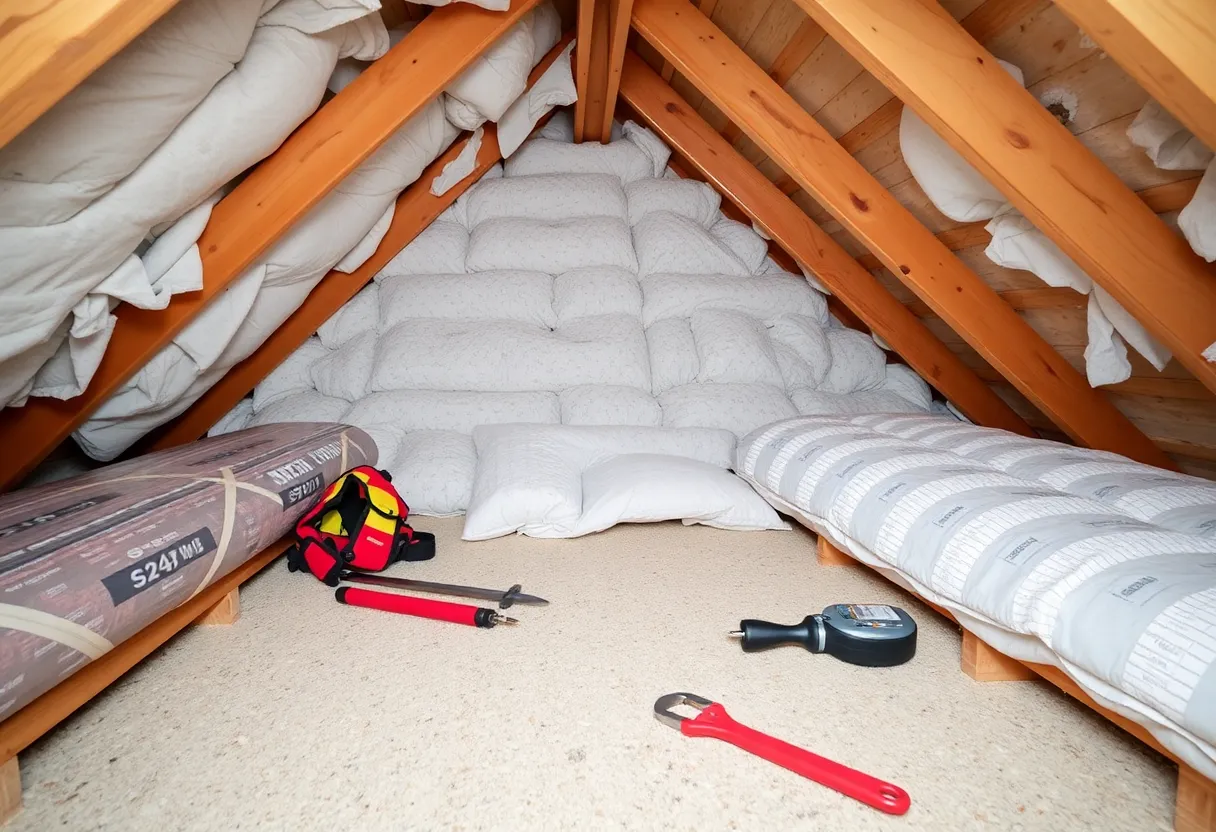
- Gather Tools and Materials: Aim for the necessary tools, including a utility knife, measuring tape, and safety gear.
Installation Process
Once preparations are complete, proceed with the installation:
1. Measure and Cut Insulation
Take precise measurements of your roof space. Use a utility knife to cut insulation material to fit snugly in the rafters or joists without gaps.
2. Install Vapor Barriers
In humid environments, consider adding a vapor barrier beneath the insulation to prevent moisture build-up, which can lead to mold growth.
3. Position Insulation Material
Carefully place the insulation between the rafters, ensuring it fits tightly. Avoid compressing the material, as this can reduce its effectiveness.
4. Seal Gaps
Utilize caulking or foam sealant to fill any gaps around vents, ducts, and the edges of insulation. This prevents air leaks and maintains efficiency.
5. Install Roof Sheathing (if needed)
In certain installations, additional sheathing may be required for structural integrity and as an added layer of insulation.
Post-Installation Considerations
After the installation, conduct final checks to ensure every aspect meets standards:
- Inspect for Gaps: Ensure that there are no visible gaps or missed areas.
- Assess for Airflow: Make sure ventilation is adequate to prevent moisture buildup that can cause damage.
- Regular Maintenance: Schedule periodic inspections of both the insulation and the roof to identify any issues early.
Cost Considerations
While adding roof insulation can be a financial investment, the long-term savings often justify the upfront costs. Basic factors influencing insulation costs include:
- Material Type: The choice of insulation material affects the overall cost. Spray foam tends to be more expensive than fiberglass.
- Roof Size: Larger areas require more material, resulting in higher costs.
- Labor Costs: If hiring professionals, consider the additional labor costs, which vary by region and complexity of the installation.
Conclusion
Adding roof insulation is a valuable investment in energy efficiency, comfort, and sustainable living. By following the outlined steps and carefully selecting materials, homeowners can enjoy reduced energy bills and an enhanced living environment. Regular maintenance and inspections ensure that insulation continues to perform effectively over time.
With the correct approach, adding roof insulation can be a straightforward and rewarding project. Prioritize planning, material selection, and proper installation for the best results. Emphasizing energy efficiency not only benefits individual households but also contributes positively to the environment.

Author: STAFF HERE ROCK HILL
The ROCK HILL STAFF WRITER represents the experienced team at HERERockHill.com, your go-to source for actionable local news and information in Rock Hill, York County, and beyond. Specializing in "news you can use," we cover essential topics like product reviews for personal and business needs, local business directories, politics, real estate trends, neighborhood insights, and state news affecting the area—with deep expertise drawn from years of dedicated reporting and strong community input, including local press releases and business updates. We deliver top reporting on high-value events such as the Come-See-Me Festival, Rock Hill Arts Festival, and motorsport events at the Rock Hill Velodrome. Our coverage extends to key organizations like the Rock Hill Chamber of Commerce and the Culture & Heritage Museums, plus leading businesses in manufacturing and technology that power the local economy such as 3D Systems and Comporium. As part of the broader HERE network, including HEREAiken.com, HEREBeaufort.com, HEREChapin.com, HERECharleston.com, HEREClinton.com, HEREColumbia.com, HEREGeorgetown.com, HEREGreenwood.com, HEREGreenville.com, HEREHiltonHead.com, HEREIrmo.com, HEREMyrtleBeach.com, HERENewberry.com, HERERockHill.com, and HERESpartanburg.com, we provide comprehensive, credible insights into South Carolina's dynamic landscape.
 Mays Contracting