News Summary
Rock Hill, South Carolina, is grappling with a growing food insecurity crisis as significant federal budget cuts diminish support for nutritional programs like SNAP. Local food pantries, especially HOPE Food Pantry, are struggling to meet the rising demand for assistance, with many families expected to lose crucial benefits. Community organizations are stepping in to help, though the support may not fully address the challenges presented by these reductions. As local food banks face increasing operational costs, they continue to adapt to the needs of vulnerable populations.
Rock Hill Faces Food Insecurity Crisis Amid Federal Budget Cuts
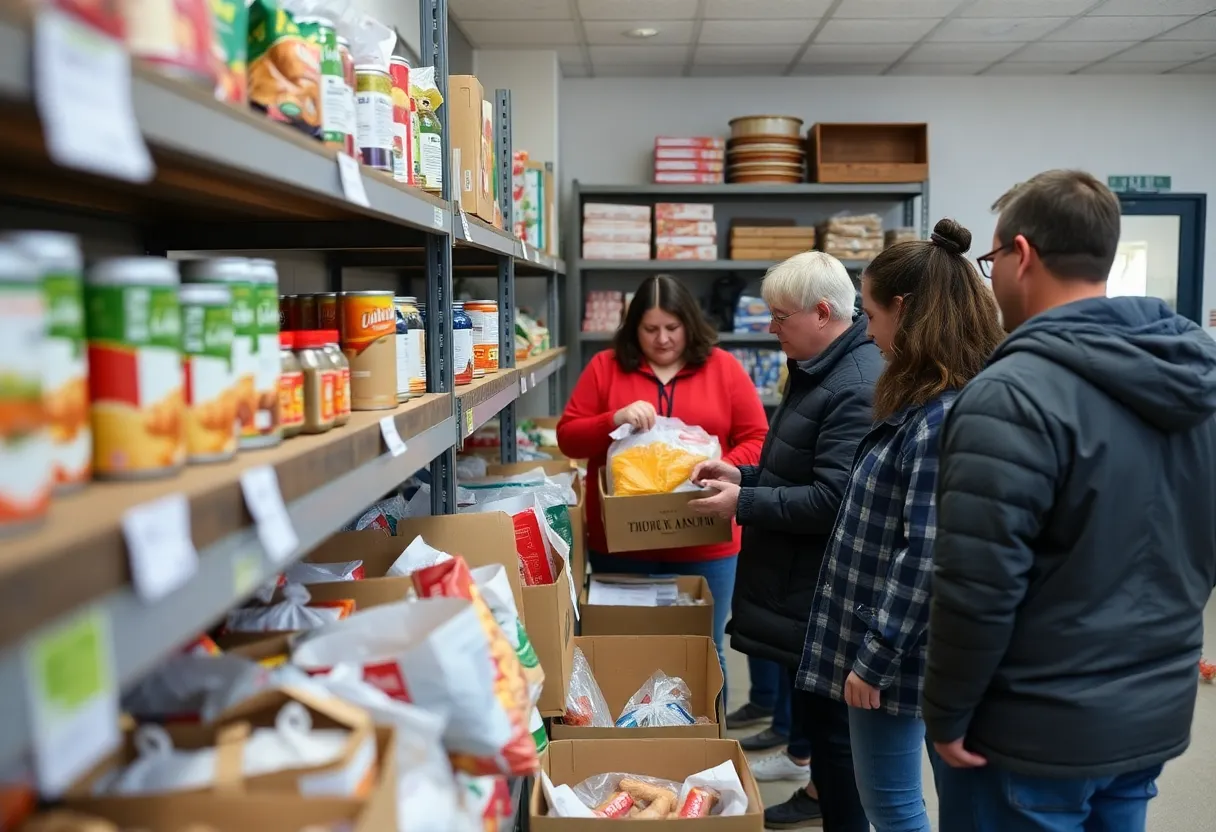
Rock Hill, South Carolina, is experiencing a significant crisis in food assistance as federal budget cuts threaten nutritional support for millions of Americans. Local food pantries, particularly the HOPE Food Pantry, are struggling to meet the increasing demands for food assistance due to these budget reductions and heightened need in the community.
The cuts have been particularly severe for programs like the Supplemental Nutrition Assistance Program (SNAP), which have seen a decrease in funding following the signing of the One Big Beautiful Bill Act. As a result, many families are expected to lose a substantial portion of their benefits, leading to an average loss of $146 per month for approximately 22.3 million families nationwide. This loss is anticipated to escalate reliance on local food banks and emergency food services.
Food banks across the United States faced a $1 billion freeze on funds in 2025 aimed at purchasing food directly from farmers. Regional organizations such as Feeding the Carolinas and Second Harvest have expressed their concerns regarding insufficient charitable support to compensate for the resource shortages created by these cuts. This has directly impacted HOPE Food Pantry, which has had to adjust its inventory, providing fewer items per family than it previously offered.
Impact on Local Food Pantries
HOPE Food Pantry, which serves over 35 families daily, has become a crucial resource for many residents in Rock Hill since its establishment in 1975. However, the recent cuts from the Emergency Food Assistance Program (TEFAP) have resulted in a significant reduction of available resources, prompting the pantry to modify its operational strategies. To fill the gaps left by diminishing government support, food pantries are increasingly purchasing additional food items.
The Food Bank of Central and Eastern North Carolina corroborates this trend, reporting a significant increase in demand for food assistance. Community demand has risen sharply, with emergency food services struggling to keep pace. This reality reflects the broader implications of federal cuts that have left vulnerable populations facing food insecurity.
Community Responses and Support
Despite the challenges, HOPE Food Pantry has benefitted from increased contributions from local businesses and churches, showcasing community solidarity in difficult times. The David & Nicole Tepper Foundation has committed over $10 million in grants to support food banks in the Carolinas, providing essential funding to address food insecurity amidst rising demand and budget cuts.
Moreover, the Tepper Foundation’s ongoing focus on food insecurity has intensified since acquiring the Carolina Panthers in 2018. This support is critical as local food banks adapt to increasing operational costs and navigate the approval of federal cuts that have led to a 20% reduction in resources for Second Harvest Food Bank.
Challenges for Individuals and Families
The impact of these budget cuts has been felt acutely by individuals relying on food assistance. Pantry users, such as Jacqueline McCollough, have reported losing their entire SNAP benefits, leaving them unable to feed their families adequately. With high food prices continuing to strain budgets, many local residents, including Catherine McSwain, who operates a halfway house, describe the adverse effects on their inhabitants.
Conclusion
As the crisis unfolds in Rock Hill, the community continues to grapple with the consequences of federal budget cuts to SNAP and other essential nutritional programs. The interplay between reduced federal support and rising local demand underscores the challenge food banks and community pantries face as they strive to provide for those in need. The response from local organizations and foundations, while commendable, may not suffice to fully alleviate the severity of food insecurity impacting families across the region.
Deeper Dive: News & Info About This Topic
HERE Resources
Food Banks Face Challenges Amid Federal Budget Cuts in the Carolinas
Community Foundation of the Lowcountry Awards $618,427 in Grants
Rock Hill First Responders Collect Cereal for Local Charity
Rock Hill’s Community Unites for Healthy Over Hungry Cereal Drive
Rock Hill City Council Approves $313 Million Budget
Senator Challenges Pay Raise for South Carolina Legislators
Clover Area Assistance Center Expands Amid Food Insecurity
Food Pantries in the Carolinas Face Crisis Amid USDA Cuts
Nebraska Becomes First State to Ban Soda Purchases in SNAP
Charlotte Hosts Major ‘Hands Off!’ Protest Against Trump Policies
Additional Resources
- MSN: Growing Hunger After SNAP Cuts
- Herald Online: Food Insecurity in Rock Hill
- Charlotte FC: Tepper Foundation Commitment
- CBS17: NC Food Banks and Federal Cuts
- Wikipedia: Food Insecurity in the United States


Author: STAFF HERE ROCK HILL
The ROCK HILL STAFF WRITER represents the experienced team at HERERockHill.com, your go-to source for actionable local news and information in Rock Hill, York County, and beyond. Specializing in "news you can use," we cover essential topics like product reviews for personal and business needs, local business directories, politics, real estate trends, neighborhood insights, and state news affecting the area—with deep expertise drawn from years of dedicated reporting and strong community input, including local press releases and business updates. We deliver top reporting on high-value events such as the Come-See-Me Festival, Rock Hill Arts Festival, and motorsport events at the Rock Hill Velodrome. Our coverage extends to key organizations like the Rock Hill Chamber of Commerce and the Culture & Heritage Museums, plus leading businesses in manufacturing and technology that power the local economy such as 3D Systems and Comporium. As part of the broader HERE network, including HEREAiken.com, HEREBeaufort.com, HEREChapin.com, HERECharleston.com, HEREClinton.com, HEREColumbia.com, HEREGeorgetown.com, HEREGreenwood.com, HEREGreenville.com, HEREHiltonHead.com, HEREIrmo.com, HEREMyrtleBeach.com, HERENewberry.com, HERERockHill.com, and HERESpartanburg.com, we provide comprehensive, credible insights into South Carolina's dynamic landscape.