How Do I Choose the Right Roof Orientation for Optimal Energy Efficiency?
When considering the energy efficiency of your home, the orientation of your roof plays a crucial role. The way your roof is positioned can significantly influence energy consumption, affecting both heating and cooling costs. Understanding how to select the optimal roof orientation is essential for homeowners aiming for sustainability and reduced energy bills. This article will explore various factors influencing roof orientation, its benefits, and practical steps to make the right choice.
The Significance of Roof Orientation
Roof orientation refers to the direction in which the roof slopes face. This decision is vital for several reasons:
- Solar Energy Potential: A well-oriented roof maximizes exposure to sunlight, essential for solar panel installations.
- Wind Exposure: Roof orientation can affect how wind interacts with your home, influencing heating and cooling efficiency.
- Natural Light Penetration: Proper orientation can enhance natural light, reducing the need for artificial lighting.
Key Factors to Consider
1. Geographic Location
Your geographic location significantly impacts roof orientation. Areas closer to the equator benefit from a roof that faces south. In contrast, locations at higher latitudes may demand different orientations. Understanding local climate patterns is essential when making your choice.
2. Seasonal Sun Path
The sun’s path changes with the seasons, influencing the solar angles. You should account for these variations:
- Summer: The sun is higher in the sky, thus casting shorter shadows.
- Winter: The sun is lower, requiring careful consideration for heat retention.
3. Roof Pitch and Design
The pitch or slope of your roof also affects energy efficiency. A steeper roof may capture more sunlight, while a flatter roof could allow for easier installation of solar panels. Your choice of materials and roof style (gable, hip, or shed) can integrate well with the orientation.
4. Energy Needs
Consider your household’s specific energy requirements. A family that relies heavily on electricity will benefit from optimal sunlight exposure. Conversely, an area known for strong winds may necessitate a design that protects from harsh elements.
Maximizing Solar Energy Collection
Optimal Orientation for Solar Panels
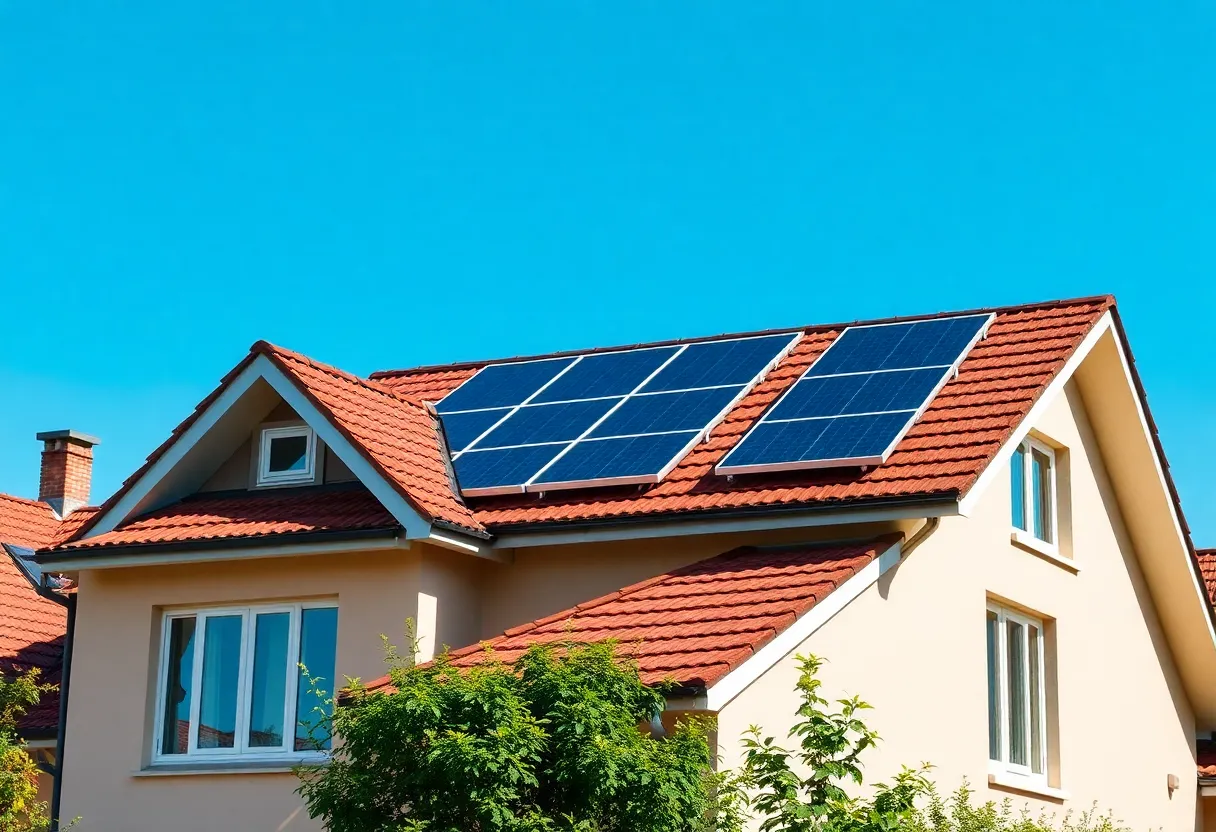
If solar energy is part of your plan, the recommended orientation is:
- South-Facing: Offers the greatest solar gain year-round in the northern hemisphere.
- West-Facing: Collects solar energy during the afternoon when cooling demands are often highest.
- East-Facing: Gains morning sunlight, promoting energy generation during peak usage hours.
Compromising for Efficiency
If technical or aesthetic reasons prevent an ideally oriented roof, consider adjusting the angle or using advanced solar panel technology that optimizes performance even in less-than-ideal conditions.
Impact of Wind on Roof Orientation
Understanding Wind Patterns
Wind can affect energy efficiency by increasing cooling loads, especially in warmer climates. Homes located in windy areas may benefit from:
- Minimizing Surface Exposure: Orient your roof to reduce wind resistance and avoid energy loss.
- Windbreaks: Trees and fences can serve as windbreaks, thus enhancing energy efficiency.
Design Considerations
When designing the roof, consider wind Resistance ratings. Use materials that withstand local weather conditions. This will ensure durability and protect your home from energy loss.
The Role of Natural Light
Maximizing Natural Light
A well-oriented roof can significantly increase natural light penetration. Consider:
- Window Placement: Position windows to capitalize on sunlight while minimizing glare.
- Reflective Surfaces: Use lighter colors and reflective materials to enhance natural light.
Energy Savings Through Daylight Usage
Utilizing natural light reduces the need for artificial lighting and, thereby, lowers electricity consumption. This will not only benefit the environment but also decrease monthly utility costs.
Practical Steps to Determine Roof Orientation
1. Consult a Professional
Before making decisions, consult with architects or energy efficiency experts. They can provide valuable insights based on climate analysis, local regulations, and design preferences.
2. Conduct a Site Analysis
A thorough site analysis will help you determine the best orientation. Factors to evaluate include:
- Sunlight Patterns: Track the sun’s movement over your property.
- Surrounding Structures: Analyze how nearby trees or buildings will affect sunlight exposure.
3. Evaluate Building Codes
Check local building codes and zoning regulations. Some locations may have specific guidelines regarding roof orientation, particularly concerning energy efficiency standards.
4. Utilize Technology
Several tools and software can assist in determining optimal roof orientation. Solar calculators available online can estimate potential energy savings based on your chosen orientation and area climate data.
Conclusion
Choosing the right roof orientation is a strategic decision that significantly impacts your home’s energy efficiency. From understanding geographic influences and seasonal sun paths to considering wind exposure and maximizing natural light, multiple factors play a role. By integrating these elements thoughtfully into your roof design, homeowners can achieve substantial energy savings, decreasing both carbon footprint and utility costs.
Prioritize consulting professionals and leveraging technology to make informed choices. By taking these steps, you can not only optimize energy efficiency but also enhance your home’s overall sustainability and comfort.

 Mays Contracting