How to Effectively Prepare Your Roof for the Upcoming Winter Season: Essential Tips for Homeowners
As winter approaches, homeowners must proactively prepare their roofs for the challenges posed by cold weather. Proper roof preparation is essential for preventing damage and ensuring the longevity of your home. This guide offers clear, structured steps to help you effectively prepare your roof for winter.
1. Inspect Your Roof
Start with a thorough roof inspection. Assess both the interior and exterior of your roof to identify potential problems.
Check for Damaged Shingles
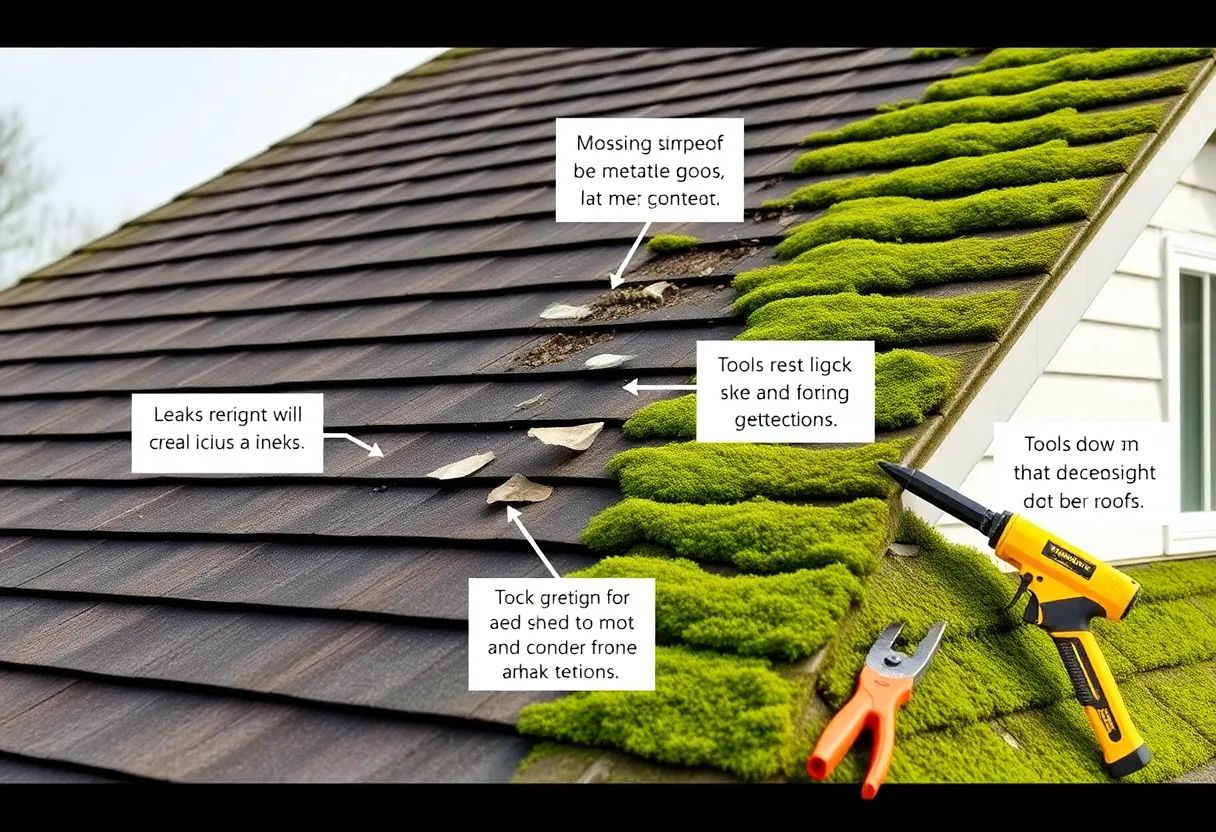
Look for missing, cracked, or curled shingles. Such damage can lead to leaks and compromised insulation.
Examine Flashing
Inspect the flashing around chimneys, vents, and edges. Ensure it is secure and free from rust or deterioration, as this is a common point of water entry.
Look for Debris
Remove leaves, branches, and other debris. Trapped debris can hold moisture, inviting mold growth and roof rot.
2. Clean the Gutters
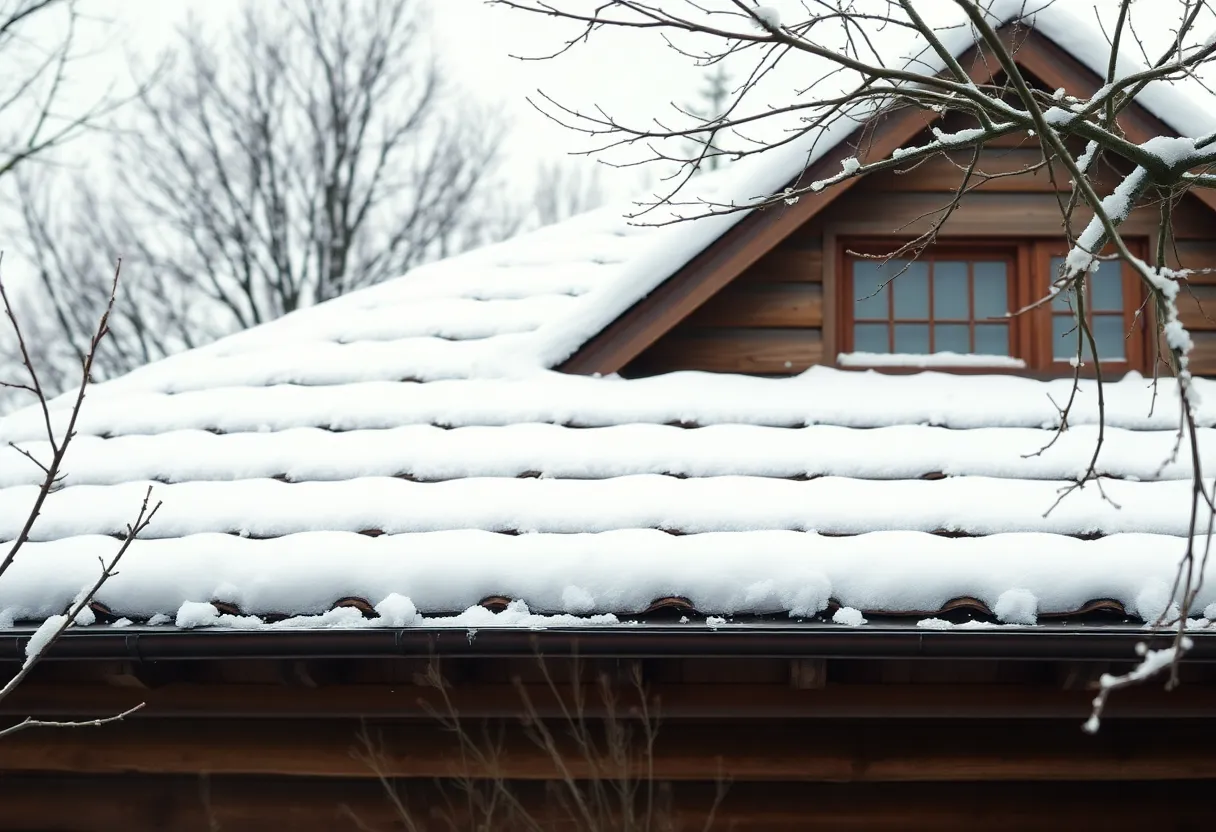
Gutter maintenance is critical for proper roof drainage during winter. Ice dams can form when gutters are clogged, causing water to back up onto the roof.
Remove Clogs
Clear any clogs, ensuring water flows freely. Use a sturdy ladder to access high areas safely.
Inspect Downspouts
Check downspouts for blockages. Ensure they direct water away from your foundation to prevent flooding or structural issues.
3. Insulate Your Attic
Proper attic insulation is crucial for maintaining temperature control and preventing ice dams.
Check Insulation Levels
Ensure your attic has adequate insulation. A minimum R-value of 38 is recommended for cold climates.
Use Baffles for Airflow
Install baffles to maintain air circulation in the attic. This prevents heat buildup, reducing the risk of ice formations.
4. Address Roof Leaks
Identifying and repairing roof leaks before winter is critical.
Conduct a Visual Inspection
Look for dark spots on ceilings or walls, which may indicate leaks. Pay attention to areas near chimneys and vents.
Seal Small Cracks
Use roofing caulk to seal minor cracks or gaps. For larger holes, consider using flashing or other roofing materials for a more robust solution.
5. Trim Overhanging Branches
Overhanging branches can pose a risk during winter storms.
Remove Risky Branches
Trim branches more than six feet from your roof. This will minimize the risk of branches falling during snow or ice buildup.
Prevent Accumulation
By removing exposures, you also decrease debris that can accumulate on your roof and in gutters.
6. Consider Snow Guards
If you live in an area with heavy snowfall, installing snow guards is advisable.
Function of Snow Guards
Snow guards help control the movement of snow and ice, preventing sudden slides that could cause injury or damage.
7. Schedule Professional Roof Maintenance
For a thorough assessment, consider hiring a professional roofing contractor.
Benefits of Professional Inspections
Professionals can spot issues that may go unnoticed by an untrained eye, providing tailored solutions.
Periodic Maintenance Plans
Establish a maintenance plan for regular inspections to extend the lifespan of your roof.
8. Prepare for Winter Storm Damage
Preparation for potential winter storm damage is another important step.
Secure Loose Materials
Check for any loose materials around your roof that may become projectiles during high winds.
Have an Emergency Plan
Develop a plan for dealing with significant snow or ice accumulation, like keeping a roof rake accessible.
9. Monitor Weather Conditions Regularly
Stay updated on weather forecasts as winter approaches.
Watch for Severe Conditions
Pay attention to snowfall predictions, ice storms, and extreme temperature changes. Adjust your roof maintenance plan accordingly.
Winter Safety Precautions
If you must work on your roof during snowy or icy conditions, take every precaution for safety.
10. Consider Roof Replacement if Necessary
If your roof is nearing the end of its lifespan, it may be time for replacement before winter.
Assess Roof Age and Condition
Evaluate whether your roof can withstand another harsh winter. If not, consider investing in a new roof.
Material Options
When replacing, explore durable roofing materials suitable for your climate and budget.
Conclusion
Preparing your roof for winter is essential for safeguarding your home from the harsh conditions that the season can bring. By following these steps, including regular inspections, proper debris removal, and ensuring adequate insulation, homeowners can minimize the risk of damage and increase the lifespan of their roofs. Implementing these proactive measures ensures your home remains comfortable and well-protected throughout the winter season.

Author: STAFF HERE ROCK HILL
The ROCK HILL STAFF WRITER represents the experienced team at HERERockHill.com, your go-to source for actionable local news and information in Rock Hill, York County, and beyond. Specializing in "news you can use," we cover essential topics like product reviews for personal and business needs, local business directories, politics, real estate trends, neighborhood insights, and state news affecting the area—with deep expertise drawn from years of dedicated reporting and strong community input, including local press releases and business updates. We deliver top reporting on high-value events such as the Come-See-Me Festival, Rock Hill Arts Festival, and motorsport events at the Rock Hill Velodrome. Our coverage extends to key organizations like the Rock Hill Chamber of Commerce and the Culture & Heritage Museums, plus leading businesses in manufacturing and technology that power the local economy such as 3D Systems and Comporium. As part of the broader HERE network, including HEREAiken.com, HEREBeaufort.com, HEREChapin.com, HERECharleston.com, HEREClinton.com, HEREColumbia.com, HEREGeorgetown.com, HEREGreenwood.com, HEREGreenville.com, HEREHiltonHead.com, HEREIrmo.com, HEREMyrtleBeach.com, HERENewberry.com, HERERockHill.com, and HERESpartanburg.com, we provide comprehensive, credible insights into South Carolina's dynamic landscape.
 Mays Contracting