How to Successfully Plan Your Roof Replacement to Maximize Safety and Efficiency
Understanding the Importance of Roof Replacement
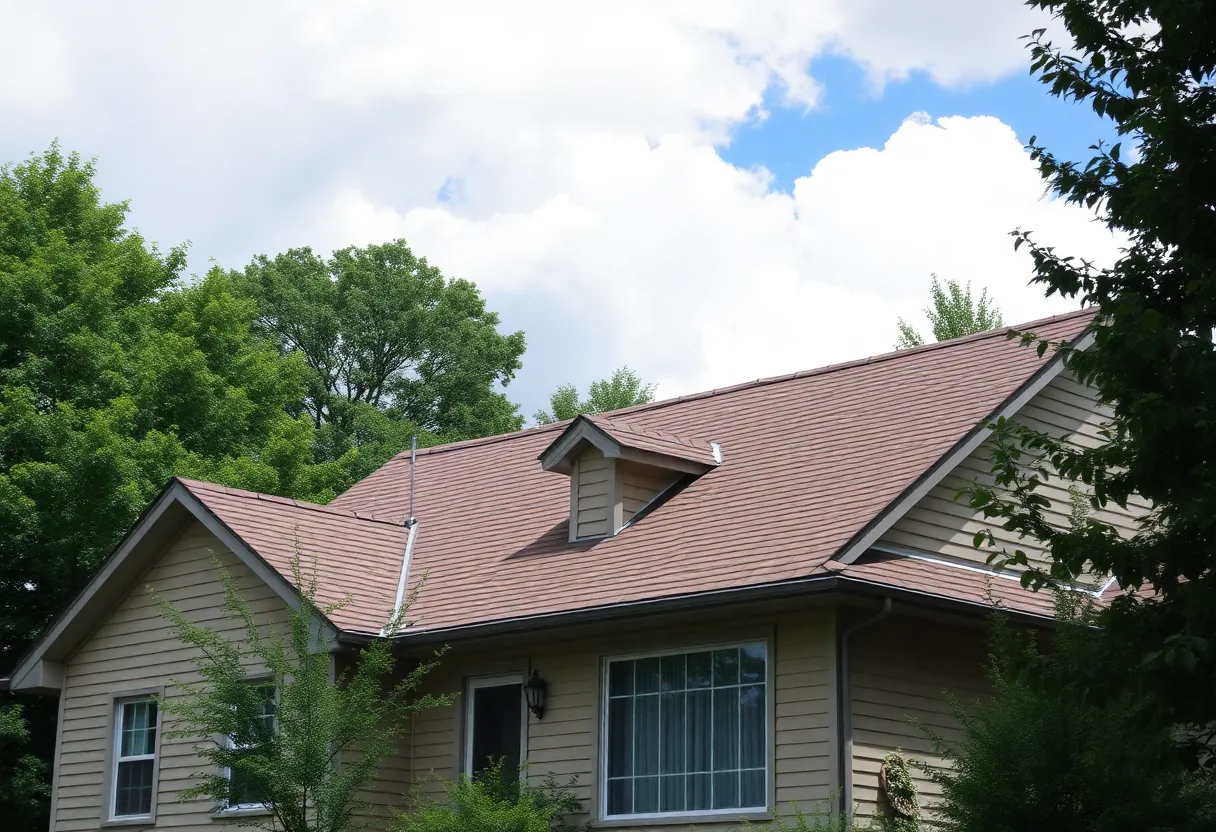
The roof is one of the most critical components of any structure. It protects occupants from environmental elements and contributes significantly to a building’s energy efficiency. However, a worn-out or damaged roof can lead to serious safety hazards and increased energy costs. A well-planned roof replacement not only ensures safety but also enhances the overall energy efficiency of a building. Planning is essential to maximize these benefits.
Assessing the Condition of Your Roof
Inspection Process
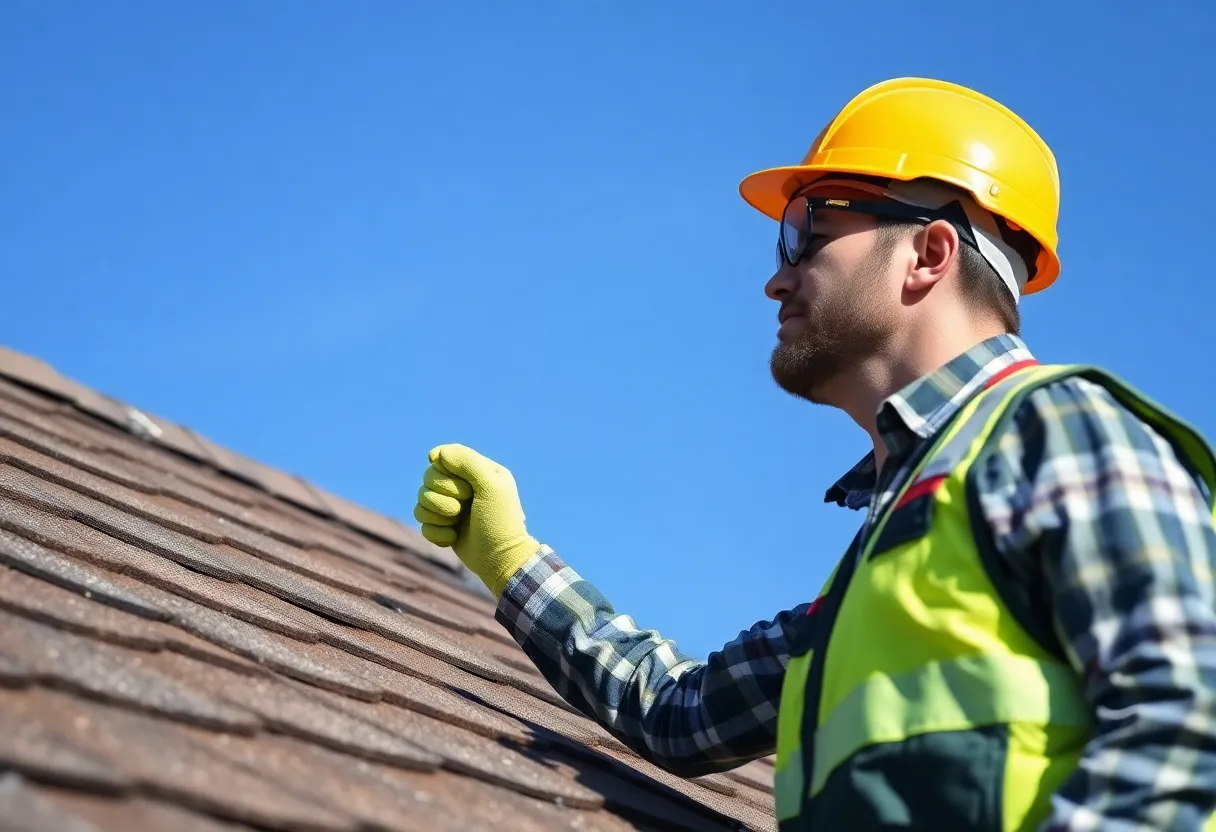
The first step in planning your roof replacement involves assessing its current condition. Engage a professional to conduct a thorough roof inspection. Look for:
- Leaking—Check for water damage inside your home.
- Shingle Integrity—Damaged or missing shingles are clear indicators.
- Age—If your roof is over 20 years old, consider replacement.
- Granule Loss—Check gutters for shingle granules that may have washed away.
Evaluating Safety Hazards
During inspection, assess potential safety hazards. Check for risks such as:
- Structural Damage—Look for sagging or other structural deformities.
- Electrical Hazards—Exposed wiring near the roof area should be addressed.
Setting Your Budget
Estimating Costs
Budgeting is crucial for a successful roof replacement. Obtain multiple quotes from contractors to determine average costs. Be sure to include expenses such as:
- Material Costs—Different materials (asphalt, metal, tile) come with different price points.
- Labor Charges—Labor can constitute a significant portion of the overall cost.
- Permits—Check local regulations for any necessary permits.
Choosing Financing Options
If your budget is limited, explore financing options. Many companies offer payment plans or financing assistance. Additionally, consider insurance coverage to offset costs.
Selecting the Right Materials
Material Types
The material you choose directly impacts safety and efficiency. Options include:
- Asphalt Shingles—Economical and widely used, good for various climates.
- Metal Roofing—Durable and energy-efficient, ideal for extreme weather.
- Tile or Slate—Long-lasting and aesthetically appealing but may require additional structural support.
Energy Efficiency Considerations
Consider materials that reflect sunlight to reduce cooling costs. Insulation is also essential—invest in proper underlayment to enhance energy efficiency.
Finding Qualified Contractors
Researching Contractors
Choosing a qualified contractor is vital for a successful roof replacement. Start your search by:
- Checking Credentials—Ensure contractors are licensed and insured.
- Reading Reviews—Look for testimonials and reviews online.
- Requesting References—Ask for referrals from previous clients.
Evaluating Proposals
When you receive proposals, compare them not just on cost but also on service scope. Clarify timelines and warranties before signing any contracts.
Designing the Replacement Process
Scheduling the Job
Timing is critical for roof replacement. Aim for a period with dry weather to avoid complications. Late spring or early fall is often ideal.
Ensuring Safety During Replacement
Safety protocols must be adhered to throughout the replacement process. Key safety measures include:
- Proper Equipment—Ensure safety gear is used, such as harnesses and helmets.
- Clear Work Area—Remove obstacles to avoid injuries.
- Professional Supervision—Always have a qualified supervisor on-site.
Post-Replacement Actions
Quality Inspection
Once the replacement is complete, conduct a final inspection to ensure quality. Check for:
- Sealing Joints—Ensure all joints and seams are properly sealed.
- Fasteners—Inspect that all fasteners have been correctly installed.
Maintenance Planning
Establish a routine maintenance plan to extend the lifespan of your new roof. Regular inspections, cleaning gutters, and repairing minor damages can prevent costly repairs in the future.
Final Thoughts: Long-term Considerations
Planning your roof replacement involves critical steps to ensure both safety and efficiency. From evaluating the roof’s condition to selecting quality materials and contractors, every detail matters. By prioritizing these steps, you not only enhance your home’s safety and durability but also improve its energy efficiency. Your investment in a well-planned roof replacement will provide long-term benefits for your home and its occupants.

 Mays Contracting